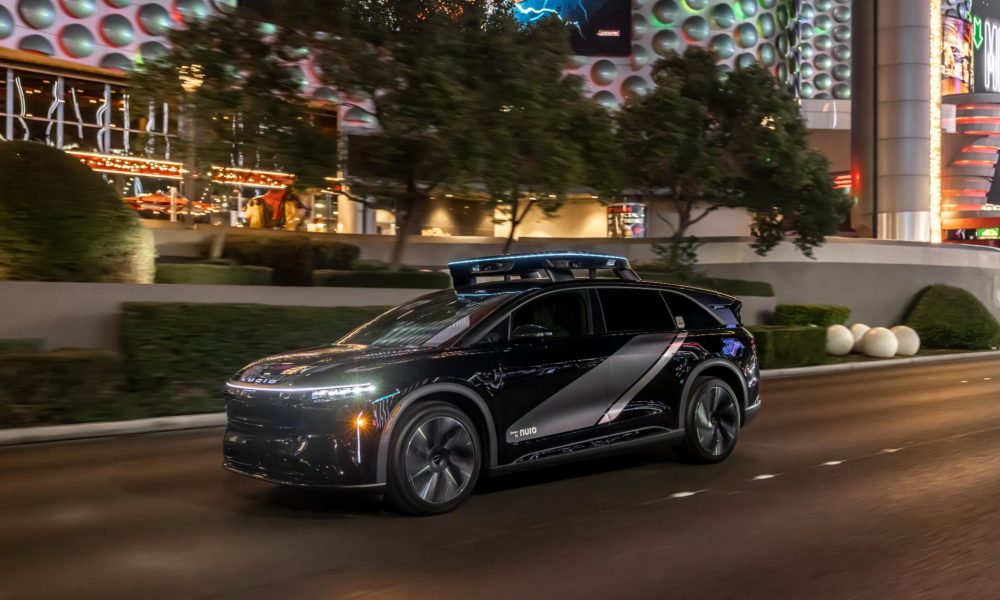
Lucid Motors, Uber Technologies Inc., and Nuro have partnered to launch an innovative autonomous robotaxi program featuring the all-electric Gravity SUV. This initiative will be officially introduced at the Consumer Electronics Show (CES) 2026, showcasing a unique in-cabin experience designed specifically by Uber, the largest ride-sharing service globally.
The collaboration was first announced in 2025, with the objective of deploying a ride-sharing platform that utilizes over 20,000 Lucid vehicles equipped with Nuro’s autonomous driving technology. These vehicles will be owned and operated by Uber, marking a significant step towards the realization of fully autonomous ride-hailing services.
Testing has already commenced in the San Francisco Bay Area, with plans to launch the service to the public later this year. Nuro will oversee the testing phase, utilizing robotaxi engineering prototypes monitored by autonomous vehicle operators. Currently, there are more than 100 robotaxis in the engineering test fleet, reflecting the project’s advancement.
Advanced Features of the Gravity SUV
The Gravity SUV is outfitted with a next-generation sensor array that includes high-resolution cameras, solid-state LiDAR sensors, and radar systems. This configuration enables a comprehensive 360-degree perception model. Notably, the vehicle features a purpose-built, roof-mounted halo designed to enhance sensor visibility. This halo not only aids in vehicle identification with integrated LEDs displaying riders’ initials but also provides real-time status updates from pickup through drop-off.
Production of the Gravity units designated for the robotaxi program will start later this year at Lucid’s Arizona AMP-1 factory. Uber selected the Gravity SUV for its “unprecedented comfort” and its recognition in Car and Driver’s 10 Best list for 2026. The vehicle is being tailored further by Uber to enhance the experience for robotaxi passengers.
The in-vehicle experience will include interactive screens offering entertainment, climate control options, and support contacts. Passengers will also have the ability to request specific maneuvers, such as pulling over. Additionally, the vehicle will provide a visualization of its surroundings and route in real time, helping to alleviate concerns for those apprehensive about driverless technology.
The Future of Autonomous Ride-Sharing
This initiative signifies a pivotal advancement in the evolution of ride-hailing platforms, moving towards operations that rely on autonomous capabilities, which could eventually reduce the need for human drivers. The San Francisco Bay Area is set to be one of the first locations to benefit from this technology, as more companies explore similar projects in the sector.
With only a limited number of companies currently operating autonomous ride-hailing services in the United States, the collaboration between Lucid, Uber, and Nuro positions them favorably for early market entry. Their joint efforts in launching this robotaxi program could significantly influence the future landscape of transportation.