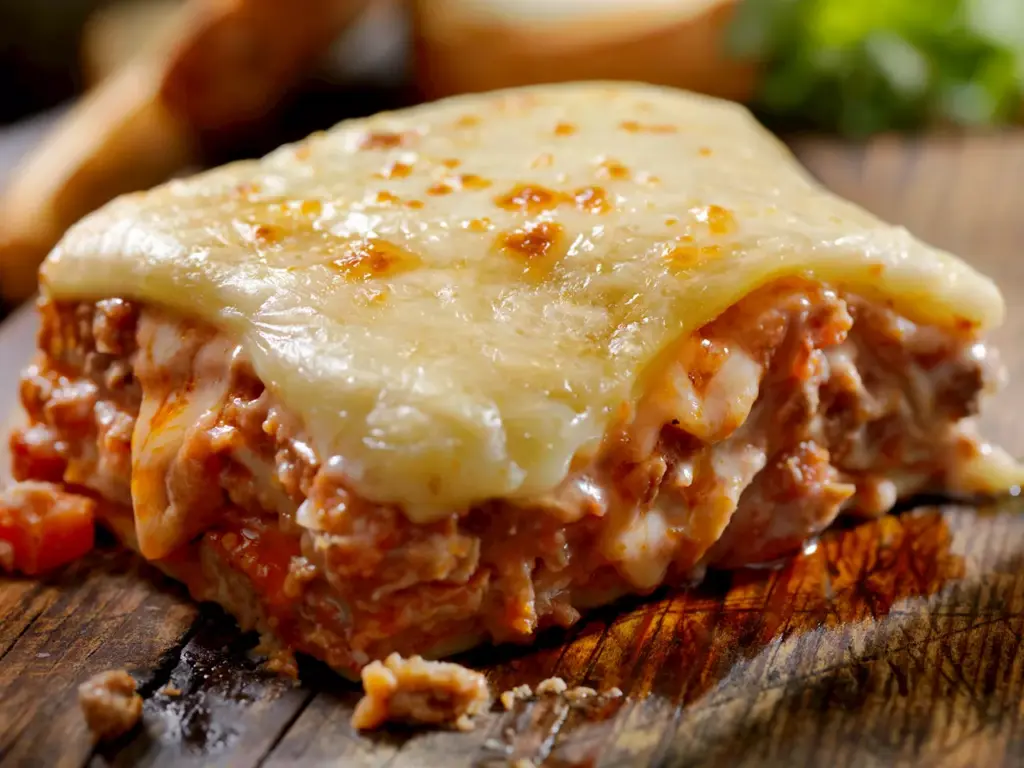
The phenomenon of the “lasagna battery” has gained attention as a peculiar intersection of cooking and chemistry. When aluminum foil and a metal pan come into contact with ingredients such as tomato sauce, an electrochemical reaction can occur, leading to potential foil corrosion and an unusual metallic taste in the food. Experts are shedding light on this process, emphasizing the importance of cookware choices in culinary outcomes.
Understanding the Lasagna Battery
In essence, a lasagna battery forms when aluminum foil functions as one electrode, while a steel or iron pan serves as the other. The ingredients of the lasagna, particularly the moisture from the tomatoes and the presence of salts, act as the electrolyte, facilitating the flow of electricity. According to Shane C. Street, an associate professor of chemistry at the University of Alabama, this interaction involves oxidation of the aluminum, which transforms into aluminum oxide, while the iron in the pan is reduced to metallic iron. This spontaneous reaction generates heat and can lead to the melting of aluminum foil.
The term “galvanic cell” describes this type of reaction, where two different metals contact each other in the presence of an electrolyte. In practical terms, when cooking a lasagna, layers of ingredients can create an unexpected chemical environment that alters the taste and texture of the dish.
Scientific Insights and Safety Considerations
The implications of using aluminum foil in a lasagna are underscored by Jin Suntivich, an associate professor of materials science and engineering at Cornell University. He points out that the tomato sauce contains water and dissolved salts, which enable charged ions to move and thus facilitate the electrochemical reaction. “Aluminum foil readily gives up electrons,” Suntivich explains, while oxygen in the air acts as an electron acceptor, creating a slow but effective battery that deteriorates the foil over time.
In a recent episode of the Netflix show, A Man on the Inside, the concept of the lasagna battery was humorously highlighted during a Thanksgiving dinner. The show’s host noted the accidental creation of a galvanic cell, explaining that the acid and salt in the lasagna are crucial for this process.
While the lasagna battery may intrigue science enthusiasts, it raises a practical concern for home cooks. To avoid any unexpected metallic flavors in future meals, experts recommend using glass or ceramic pans, which do not pose the same risks as metal cookware.
The lasagna battery serves as a fascinating example of how everyday cooking can intertwine with scientific principles. Balancing culinary art with an understanding of chemistry can enhance both the flavor and safety of meals.