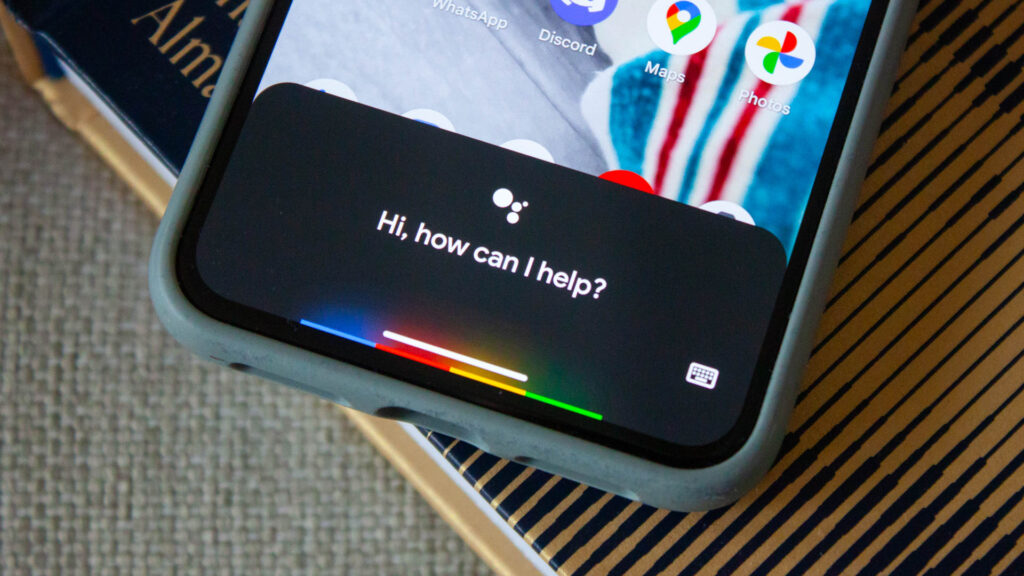
Google has officially announced a delay in the transition from Google Assistant to its new AI-driven platform, Gemini. Originally set for completion by the end of 2025, the updated timeline now extends into 2026. This decision, confirmed in a community update on Friday, aims to ensure a “seamless transition” for its users.
The shift to Gemini, which employs a large language model (LLM), presents significant challenges. Moving from a decade-old, reliable command-and-control system to a new platform that utilizes advanced AI requires careful planning and execution. The announcement indicates that Google is prioritizing stability and user experience as it works to refine Gemini’s capabilities, which include improved summarization and interaction features.
Reasons Behind the Delay
While Google has not provided specific reasons for the timeline adjustment, the focus on a “seamless transition” suggests that they are addressing potential technical difficulties. Users have experienced some limitations with Gemini, particularly in performing basic tasks like setting timers or controlling smart home devices. By extending the deadline, Google aims to resolve these issues and achieve full feature parity with the existing Assistant.
Despite the delay, the transition to Gemini is already underway. The platform has become the default assistant on the Pixel 10 series and is gradually rolling out across other devices, including those running Wear OS, Android Auto, and Google Home. For users on older devices, this extension offers additional time to rely on the familiar “Hey Google” functionality.
What Lies Ahead
Looking forward, the transition will culminate in the removal of the standalone Google Assistant app from the Play Store. Devices meeting the requirements, specifically those running Android 10 or higher with at least 2GB of RAM, will be required to upgrade to Gemini. Internal documents suggest a potential target date of March 2026 for certain platforms like Android Auto, although Google plans to provide more detailed information in the coming months.
For users who have already embraced Gemini, this timeline change may not significantly impact their experience. However, for those who prefer the reliability of the classic Assistant, the additional months provide an opportunity to familiarize themselves with Gemini’s evolving features. As Google continues to refine the platform, users can look forward to a more integrated and efficient assistant experience.
In summary, Google’s decision to push the complete transition to Gemini into 2026 reflects its commitment to ensuring a smooth user experience. With ongoing improvements and adjustments, the future of Google’s voice assistant technology is poised for significant evolution.