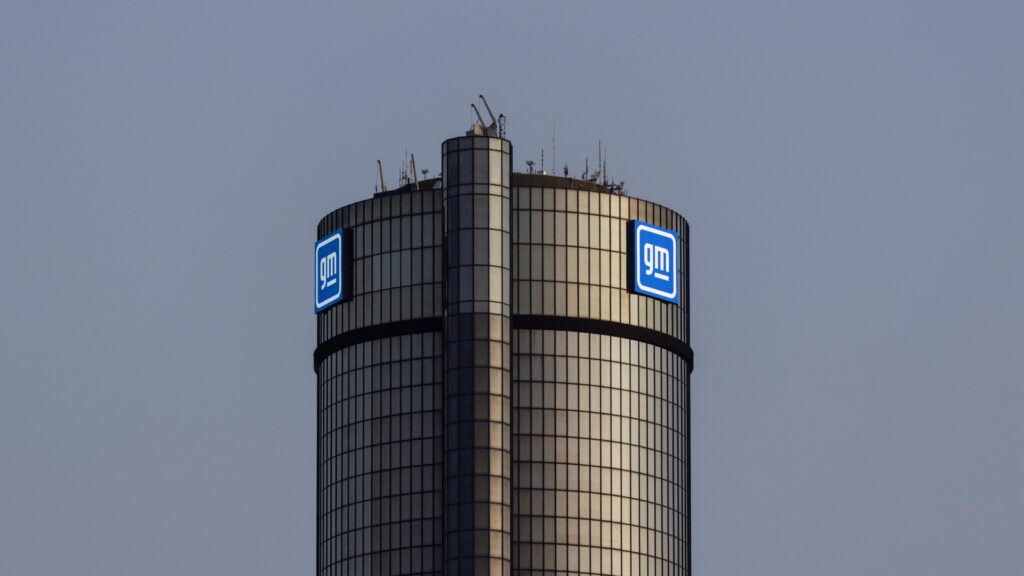
General Motors (GM) filed for Chapter 11 bankruptcy on June 1, 2009, marking a significant moment in automotive history. This filing, which represented the largest industrial bankruptcy in U.S. history, involved $82 billion in assets and $173 billion in liabilities. The decision was driven by a culmination of operational missteps and external economic pressures that left the company struggling to adapt to a rapidly changing market.
For much of the 20th century, GM enjoyed dominance in the automotive industry, holding nearly 46% of the U.S. market in the 1950s. The company’s strategy of offering “a car for every purse and purpose” initially paid off. However, this success eventually fostered a sense of complacency. As consumer preferences shifted towards smaller, more fuel-efficient vehicles, GM failed to respond effectively. This oversight allowed Asian automakers to capture significant market share, leaving GM at a competitive disadvantage.
Challenges and Decline
One of the main challenges GM faced was its cost structure, which was unsustainable in the long term. The company had some of the highest healthcare and pension costs in the industry, a legacy of labor agreements from the 1950s. By 2009, GM reported losses exceeding $80 billion over four years, with a staggering $30.9 billion loss recorded in 2008 alone, according to Reuters.
The global economic downturn known as the Great Recession further exacerbated GM’s plight. U.S. auto sales plummeted from over 17 million units annually to under 10 million during this period. Fuel prices surged, and consumer demand shifted dramatically towards smaller vehicles, which were increasingly offered by foreign competitors. GM’s reliance on full-size trucks and SUVs, once its profit backbone, became a liability.
As the company teetered on the brink of collapse, it was forced to seek emergency federal loans to continue operations. By late 2008, GM had received $19 billion in government assistance and was projected to require tens of billions more to avoid bankruptcy.
The Restructuring Process
Upon filing for bankruptcy, GM became subject to court oversight, putting the future of 235,000 employees worldwide in jeopardy. Then-CEO Rick Wagoner acknowledged the severity of the situation, fearing that consumers would hesitate to purchase vehicles from a bankrupt automaker. President Barack Obama described the restructuring process as “tough but fair,” emphasizing the need for sacrifice to secure GM’s future.
The government-backed plan aimed to facilitate a swift, “surgical” bankruptcy. Utilizing Section 363 of the Bankruptcy Code, GM split into two entities: valuable brands and operations were transferred to a new company, while liabilities were left behind in what became known as Motors Liquidation Co. The entire process was completed in just 40 days, a remarkable turnaround compared to typical bankruptcy proceedings.
Despite the rapid restructuring, the fallout was significant. GM eliminated several brands, including Pontiac, Saturn, Hummer, and Saab, and cut dealership numbers by nearly 40%. Tens of thousands of jobs were lost in the process. Yet, these drastic measures were necessary for GM’s survival, allowing it to emerge as a more competitive player in the automotive market.
In retrospect, GM’s bankruptcy serves as a cautionary tale about the dangers of complacency in a fast-evolving industry. The company has since worked to adapt to changing consumer preferences and has become the second-largest electric vehicle maker in the United States. However, the lessons learned from its decline remain relevant, underscoring the critical need for continuous innovation and responsiveness to market trends.