The development of augmented reality (AR) smart glasses is once again sparking debate about their viability and consumer demand. In an article published by IEEE Spectrum, author Alfred Poor examines the current landscape of smart glasses, questioning what consumers truly desire and whether society is prepared to embrace this technology fully.
Since the introduction of Google Glass in 2012, smart glasses have struggled to establish a compelling use-case that resonates with the public. Poor suggests that while virtual reality (VR) may not have captured the market’s imagination, the potential for AR technology is increasingly recognized as a viable option. The integration of artificial intelligence (AI) into these devices adds another layer of complexity and excitement to their development.
Competing Visions in Smart Glasses Design
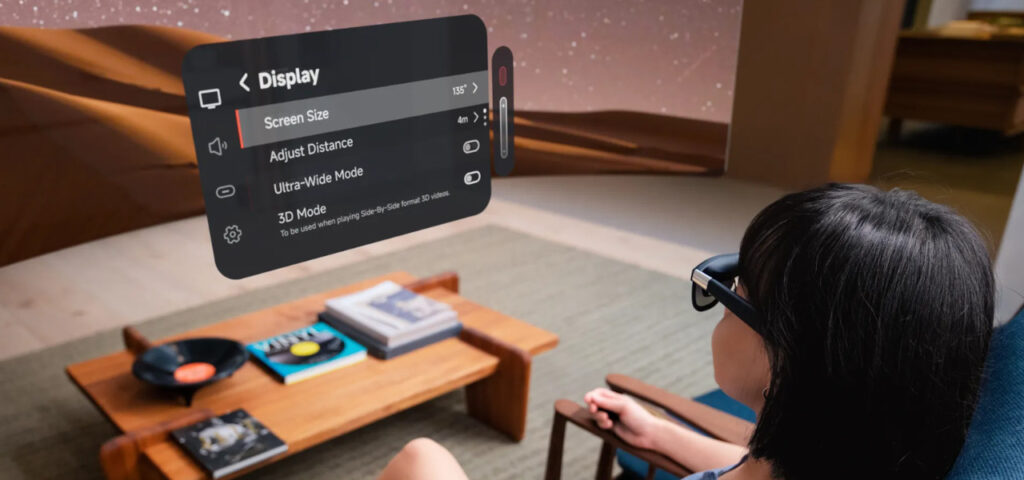
According to Poor, two major products are currently shaping the future of smart glasses: the One Pro from Xreal in Beijing and the AI Glasses from Halliday in Singapore. Each product embodies different design philosophies and market strategies, showcasing the diverse approaches to integrating AR technology into everyday life.
The article provides insights into how these devices are being received in the market, emphasizing the need for a unique and practical application to capture consumer interest. For many, the idea of wearing a computer screen on their face remains a significant hurdle, and the article suggests that overcoming this perception will be crucial for the industry’s success.
In an engaging discussion with Louis Rosenberg, CEO and chief scientist of Unanimous AI, Poor shares a bold prediction: “Within five years, immersive AI-powered glasses will replace the smartphone as the primary mobile device in our digital lives.” This statement underscores the transformative potential that smart glasses could have on communication and interaction in the future.
Public Perception and Future Implications
Despite the skepticism surrounding smart glasses, the conversation around them continues to be vibrant. The promotional material from Halliday showcases real user reactions to their AI Glasses, indicating a growing interest in the technology. As consumers become more accustomed to the integration of AI in various aspects of their lives, the readiness for smart glasses may also shift.
As Poor concludes, the future of smart glasses remains a hot topic. The technology’s evolution will depend on both market readiness and user acceptance. For those curious about the development of smart glasses, related articles such as “Making Glasses That Detect Smartglasses” and “Mentra Brings Open Smart Glasses OS With Cross-Compatibility” offer deeper insights into this fascinating field.
The ongoing discussions about smart glasses highlight not only technological advancements but also the changing landscape of personal devices in our digital lives. Will consumers embrace this innovation, and will it become a staple of our daily routines? The answers remain to be seen, but the journey towards finding out is certainly captivating.