The Computer History Museum in Mountain View, California, has launched an innovative digital portal, allowing enthusiasts to explore its extensive collection from home. Announced via Hackaday, this initiative provides access to a treasure trove of computing relics, making it easier for those unable to visit the museum in person to engage with its historical artifacts.
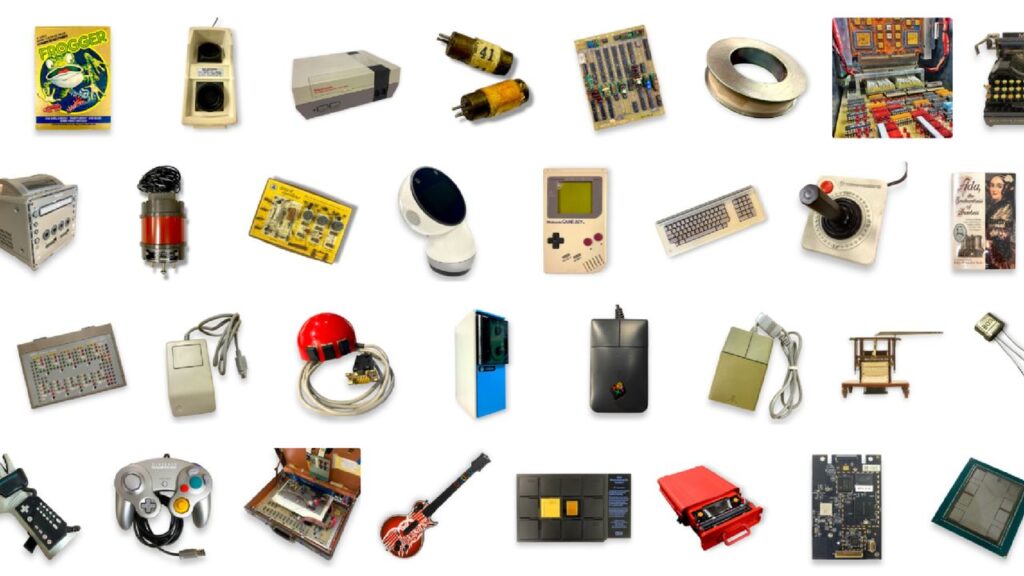
Visitors to the online platform can view a diverse array of items, including notable pieces like a vintage mouse designed by Silicon Graphics Computer Systems and manufactured by Mouse Systems Corp. This device, which features three buttons, stands as a reminder of the early days of computer hardware. While it may not rival modern gaming mice in performance, its historical significance is undeniable.
Delve into the Past
The digital collection is thoughtfully organized into various categories, facilitating exploration. Users can browse through curator picks, read stories from the collection, or navigate the “discovery wall,” which showcases a wide range of nostalgic hardware. Among the fascinating finds is the “world’s first Lisp processor megachip,” equipped with an impressive 553,687 transistors and 116,736 bits of RAM.
The portal’s high-resolution images allow for detailed examination, enabling enthusiasts to zoom in on items that pique their interest. One visitor even noted a striking resemblance between an original Game Boy displayed online and one currently stored in their attic, highlighting the emotional connection many have with these pieces of technology.
A Journey Through Computing History
The Computer History Museum has curated a remarkable collection that spans the evolution of computing technology. The digital experience offers a unique opportunity to reflect on the advancements made over the years and appreciate the craftsmanship of earlier hardware models.
As technology continues to evolve, this online portal serves as a reminder of the rich history behind the devices we use today. With a few minutes or even hours to spare, anyone interested in computing can delve into the past and discover the fascinating world of hardware that preceded our current, often expensive, offerings. Whether you are a tech enthusiast or simply curious about the history of computing, this digital collection promises to be an engaging experience.