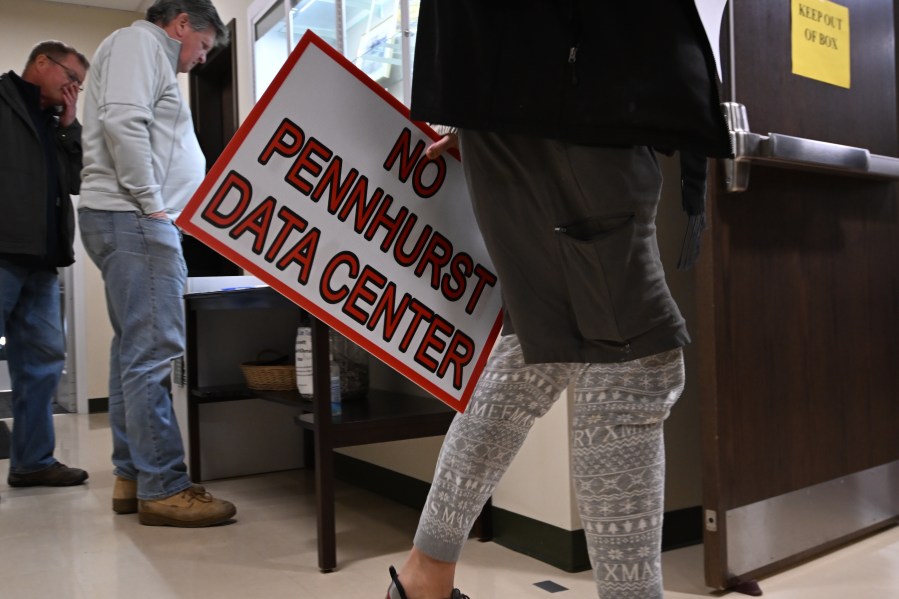
Technology companies are facing significant resistance as they seek to invest billions of dollars in expanding data centers to support artificial intelligence and cloud computing. In various regions across the United States, local communities are voicing strong objections to the construction of these facilities, which residents fear will disrupt their neighborhoods.
In Spring City, Pennsylvania, as well as other towns nationwide, the pushback stems from concerns about environmental impact, increased traffic, and potential changes to the community’s character. Many residents express apprehension about living near large data centers, which are often associated with noise, energy consumption, and increased infrastructure demands.
The rapid growth of data centers is largely driven by the increasing demand for cloud services and AI technologies. According to industry estimates, the global data center market is projected to reach approximately $1 trillion by 2027. This surge in investment reflects the pivotal role these facilities play in modern technology, yet it also raises questions about their compatibility with local communities.
Local Voices Against Data Centers
Residents in affected areas have organized to voice their concerns, often attending town hall meetings and forming coalitions to advocate against the construction of new data centers. In Spring City, community members have expressed their desire to preserve green spaces and maintain a quiet, residential environment.
Linda Thompson, a local resident, stated, “We are not against technology, but we want to ensure that our community’s needs are prioritized. These facilities can significantly alter our way of life.” This sentiment is echoed by many who believe that the rapid expansion of Big Tech should not come at the expense of local quality of life.
Some communities have successfully pushed back against proposed projects, leading to delays or cancellations. In recent months, several tech companies have withdrawn applications for new data centers after facing overwhelming opposition from residents and local officials. This trend indicates a growing awareness among communities of their power to influence development decisions.
Shifting Perspectives on Development
As the debate continues, some local governments are beginning to reconsider zoning laws and regulations to better manage the influx of technology investments. This shift could lead to more stringent requirements for environmental assessments and community engagement before projects are approved.
In response to community concerns, industry representatives argue that data centers can also bring economic benefits, including job creation and increased local tax revenue. However, these arguments have not always swayed public opinion, particularly in areas where the potential downsides are viewed as too significant.
The situation reflects a broader trend in which the expansion of Big Tech is increasingly scrutinized. As local communities become more aware of the implications of large-scale data centers, it is likely that the industry will need to adapt its approach to development in order to foster better relationships with residents.
The ongoing pushback against data centers highlights a critical intersection between technological advancement and community values. As tech companies continue to seek locations for their operations, the dialogue between industry leaders and local communities will be crucial in shaping the future of data center development across the United States.