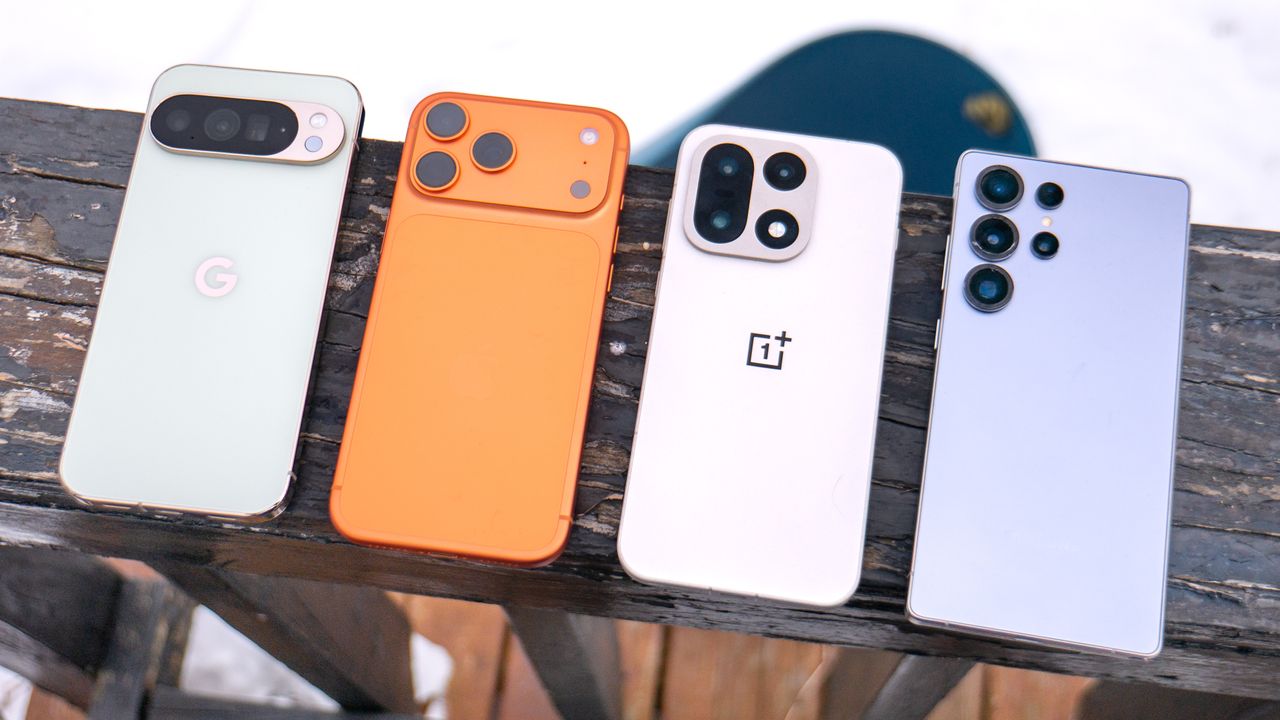
Experiments conducted in freezing temperatures reveal surprising insights into how flagship smartphones perform under cold conditions. The latest test, featuring the new iPhone 17 Pro Max, Galaxy S25 Ultra, Pixel 10 Pro XL, and OnePlus 15, assessed battery drain in extreme cold, a factor often overshadowed by concerns over heat.
With much of the northern hemisphere experiencing record low temperatures and heavy snowfall last week, this experiment aimed to understand how these conditions impact battery performance. Typically, excessive heat is known to accelerate battery drain, but the effects of cold temperatures remain less understood. To investigate this, the phones were subjected to a series of rigorous tests both indoors and outdoors.
Testing Methodology and Results
The testing process involved two sets of evaluations: one in a controlled indoor environment and another outside at 15 degrees Fahrenheit. The phones were fully charged to 100% and had their brightness set to maximum while streaming a video clip on YouTube over Wi-Fi. Each test lasted two hours, with battery levels recorded every 30 minutes.
The indoor test revealed expected trends. After the first half-hour, the Pixel 10 Pro XL experienced the most significant drop, falling to 96%. The iPhone 17 Pro Max performed well, finishing the test at 96%. The other two devices, the OnePlus 15 and Galaxy S25 Ultra, recorded similar results of 92%.
When the phones were taken outside, the results took a surprising turn. The iPhone 17 Pro Max demonstrated exceptional endurance, dropping to just 95% after 2.5 hours, while the OnePlus 15 remained stable, finishing at 91%. The Galaxy S25 Ultra, however, struggled, finishing at 86%, indicating a notable decline in performance in the cold.
The most astonishing revelation came from the Pixel 10 Pro XL, which showed improved battery performance in the cold. After two hours, it recorded 84%, up from the 68% observed indoors. Although it eventually settled at 78% after an extended test, the cold temperatures appeared to aid its battery retention.
Insights and Implications
The findings present a shift in understanding regarding smartphone battery life. Contrary to expectations, the extreme cold did not uniformly lead to severe battery drain. Aside from the Galaxy S25 Ultra, most tested devices performed better in cold conditions than indoors. This suggests that heat may pose a more critical threat to battery longevity than cold weather.
Battery health and age also played a role in the outcomes. The iPhone 17 Pro Max, being less than a week old, likely benefited from a fresh battery, contributing to its strong performance. Conversely, older devices may exhibit different results under similar conditions.
The tests highlight the effectiveness of smartphone designs in managing temperature. While all devices are equipped with internal thermal management systems, the results indicate that some designs are better suited for extreme environments.
In summary, the experiment underscores the complex relationship between temperature and battery performance, revealing that cold weather can sometimes act as a natural cooling system, potentially leading to improved battery life under specific conditions. Further exploration in this area could provide valuable insights for consumers and manufacturers alike.