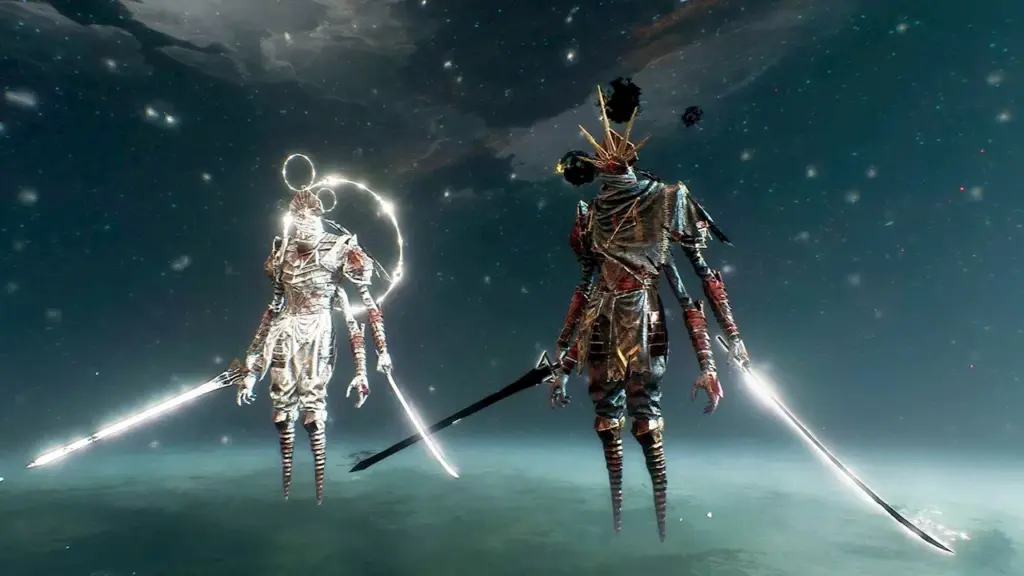
Following the remarkable success of Clair Obscur: Expedition 33, controversies surrounding the game’s use of artificial intelligence (AI) have intensified. The independent studio Sandfall Interactive celebrated multiple accolades at the TGA Awards, including Game of the Year for 2025, which has led to a surge of scrutiny from segments of the gaming community. Critics have raised concerns about the extent of AI integration in the game, particularly after comments made by Swen Vincke, head of Larian Studios, regarding AI in game development for the upcoming Divinity project.
The discussions around AI have escalated following Clair Obscur‘s achievement, with some gamers questioning the authenticity of the creative process involved in the game’s development. Although Sandfall Interactive has previously stated that they utilized AI “a little, but not much,” the timing of the backlash appears to coincide with the game’s significant recognition, suggesting that some critics may be reacting to the game’s success rather than its technological choices.
The Role of AI in Game Development
While Clair Obscur: Expedition 33 has confirmed its minimal use of AI during development, the gaming community’s reaction highlights a broader misunderstanding of AI’s role in the industry. This debate has been further fueled by comments from Vincke, who emphasized that while no AI-generated content will be present in Divinity, the studio will still incorporate AI tools in its development process. This has led to a divide among gamers, with some expressing concerns over the implications of AI in creative fields.
Critics argue that any AI involvement risks undermining the artistic integrity of games. Yet, proponents suggest that AI is simply another tool that can enhance creativity, much like the machines used in manufacturing. The reality is that most modern titles, including popular franchises, have employed AI to some extent, often to improve efficiency and create richer gaming experiences.
The ongoing debates regarding AI in games are not unique to Clair Obscur. Players are grappling with the intersection of technology and artistry across the gaming landscape, where many developers are pushing boundaries while striving to maintain a human touch in their creations. As this dialogue continues, it is essential for gamers to reconsider their perspectives on AI and its role in the future of video games.
Future Implications for the Gaming Community
The response to Clair Obscur’s use of AI may reflect a larger trend within the gaming community regarding emerging technologies. As developments in AI continue to evolve, understanding how these tools can be utilized positively may become crucial for both developers and players.
Discussions surrounding AI are likely to persist, especially as new titles emerge. The challenge lies in balancing innovation with the preservation of artistic expression. Gamers may need to adjust their expectations and accept that AI, much like the robots that assemble cars or package goods, is now an integral part of many creative processes.
As the gaming industry moves forward, the conversation around AI will shape the landscape of game development. Whether through resistance or adaptation, the community’s engagement with these advancements will ultimately influence how games are created and experienced in the years to come.