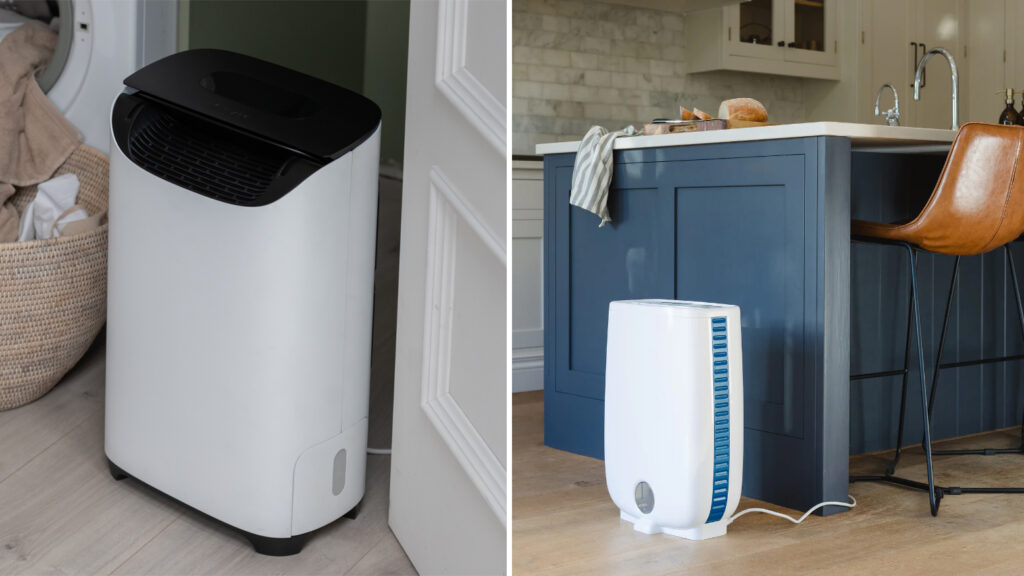
When selecting a dehumidifier, understanding the differences between a compressor and a desiccant model is essential. Both types effectively reduce moisture in the air, but they operate using distinct mechanisms that can make one more suitable than the other depending on specific needs. Insights from Chris Michael, co-founder and Chief Product Officer of aircare brand Meaco, shed light on their functionalities and efficiency.
How Each Type Works
A compressor dehumidifier draws air into the unit and passes it over a cold metal surface. This process causes moisture to condense and drip into a collection bucket. Afterward, the air is heated slightly before being released back into the room. Some models feature a removable filter, which allows them to function as air purifiers, though this can reduce overall efficiency as the unit has to work harder to pull air through.
In contrast, a desiccant dehumidifier utilizes a continuously rotating wheel containing desiccant material. As air flows through, moisture is absorbed by the desiccant. Once the wheel becomes saturated, it is dried out using a smaller fan and heater, allowing the now-warm, damp air to travel through condensate tubes where condensation forms and collects in a bucket. This model may also include a filter at the air intake stage.
Key Differences to Consider
One significant difference between the two types is the temperature of the air they expel. A compressor dehumidifier typically releases air at room temperature, whereas a desiccant model warms the air by approximately 10°C / 18°F as it exits. Michael notes that this warmth can be beneficial for drying clothes quickly, although it should not be considered a substitute for a room heater.
In terms of operational costs, compressor dehumidifiers are generally more economical to run. However, their efficiency declines in colder environments, particularly below 59°F / 15°C. Michael points out that their performance diminishes in low temperatures, stating, “The colder the air gets, the less water they collect.” On the other hand, desiccant dehumidifiers maintain consistent performance even in temperatures below 50°F / 10°C. This makes them a preferable choice for unheated spaces such as garages, boats, or conservatories.
The choice between these two types of dehumidifiers ultimately hinges on specific usage scenarios. For individuals seeking efficient moisture removal in colder conditions, a desiccant model may be the ideal solution. Conversely, for typical household environments where cost efficiency is a priority, a compressor dehumidifier could be the better option.
In summary, understanding how each type of dehumidifier operates and their respective advantages can significantly impact your choice. Knowing the environmental conditions where the unit will be used is crucial for ensuring effective moisture control in your home. As you evaluate your options, consider your specific needs, and consult reliable sources like TechRadar for further information and insights.