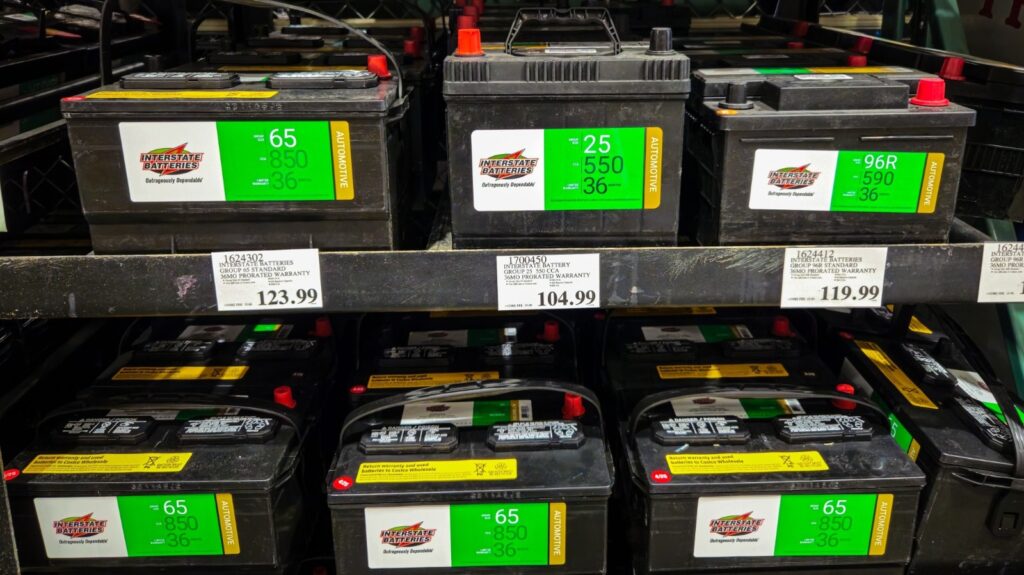
Consumer Reports has released a list of five car battery models that consumers should avoid due to poor performance metrics. This nonprofit organization, renowned for its independent testing and consumer advocacy, has been providing reliable product evaluations for nearly a century. Car batteries, crucial for vehicle operation, are among the many items scrutinized by Consumer Reports, which evaluates them based on life, reserve capacity, and cold-cranking performance.
In their latest analysis, Consumer Reports assessed various batteries across Battery Council International (BCI) group sizes, highlighting those that performed poorly in key categories. The findings serve as a guide for consumers looking to purchase car batteries that are reliable and long-lasting.
Top Five Car Batteries to Avoid
One of the most notable underperformers is the Econocraft 24F-E, which is part of AutoZone’s economy battery line. Despite being marketed as an affordable option at around $90, it scores poorly in battery life and cold-weather performance. With a cold-cranking amp (CCA) rating of just 585 amps, this model falls significantly below the average for its group. While customer reviews on AutoZone’s website suggest it may suffice for short-term use, the battery’s 90-day warranty indicates limited confidence in its longevity.
Another model to steer clear of is the Econocraft 35E. This battery ranks at the bottom of the BCI 35 group due to inadequate cold-weather performance and reserve capacity. According to Consumer Reports, the 35E has a CCA of only 490 amps, making it the least capable in its category. Although it receives some favorable short-term reviews, the majority of negative feedback highlights issues related to its reliability and lifespan.
The EverStart AGM H5 also appears on the list, despite being a popular choice in Walmart’s battery lineup. While the Platinum AGM H5/47 variant is recommended, the standard EverStart AGM H5 model has been criticized for its weak lifecycle performance and moderate cold-weather results. Customer experiences tend to be short-term, raising concerns about its durability over time.
A similar trend emerges with the Econocraft H6-E, which is marketed as an “emergency budget” battery. Priced around $100, it offers a CCA of 615 amps but fails to deliver on longevity, scoring low in Consumer Reports’ testing. The recurring theme among users is the shorter-than-expected lifespan, with reports of failures occurring within a year of purchase.
Lastly, the Duralast Platinum 51R-AGM presents a concerning case. Despite its premium positioning and a price tag near $260, Consumer Reports has rated it poorly on lifespan. While it garners positive reviews for immediate performance, potential buyers may find it difficult to justify the expense when more reliable alternatives exist.
Key Takeaways for Consumers
When selecting a car battery, consumers should carefully consider the insights provided by Consumer Reports. The organization’s evaluations are grounded in rigorous testing methodologies, ensuring that consumers are informed about which products best meet their needs. The highlighted models, particularly from the Econocraft line, showcase the importance of balancing cost and reliability.
For those prioritizing value, alternatives like the EverStart Maxx-24S, which costs approximately $90 and outperforms the Econocraft models, may be more prudent choices. As the automotive industry evolves, understanding the nuances of battery performance can significantly impact vehicle reliability and owner satisfaction.