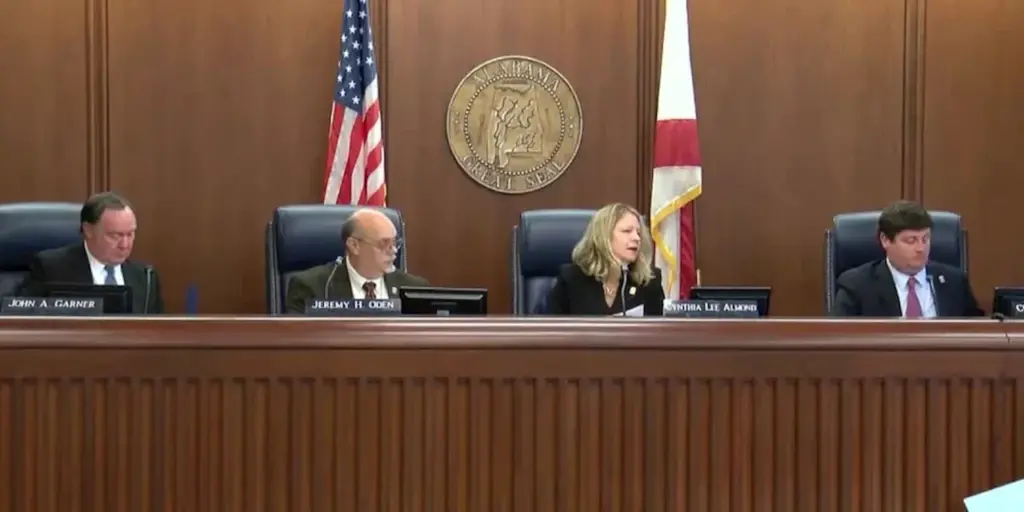
Alabama lawmakers have introduced a trio of bills aimed at reforming how data centers are regulated and incentivized within the state. On February 5, 2024, the proposed legislation aims to mitigate the impact of large electricity users on everyday ratepayers, ensuring that the financial burden does not fall disproportionately on average customers.
The three-bill package, which has been submitted to the Alabama Senate, seeks to overhaul utility regulations and tax incentives for data centers. One primary concern is the substantial tax breaks currently granted to these facilities, which can consume vast amounts of electricity.
Key Provisions of the Proposed Bills
Senate Bill 270, sponsored by Senator Bell, focuses on utility costs associated with large data centers. Under this bill, facilities that consume at least 150 megawatts of electricity—enough energy to power approximately 112,000 homes—would be required to cover the additional costs their operations create. The legislation mandates that utilities evaluate whether the rates charged to data centers could lead to reduced costs for other customers or enhance the efficiency of the power grid.
Another significant proposal is Senate Bill 268, which seeks to change the way commissioners are selected for the Alabama Public Service Commission. This bill would eliminate elections for these positions, allowing the governor to appoint the commission president starting in 2028. Two years later, the House Speaker and Senate President Pro Tempore would each appoint an associate commissioner, subject to Senate confirmation. This bill also aims to reduce conflicts of interest by extending restrictions to any organization that does business before the commission and would prohibit utilities from passing lobbying expenses onto customers.
The executive director of Energy Alabama, Daniel Tait, criticized this move, stating, “Alabama Power is so scared of voters that they are trying to take you out of the equation completely.” Tait emphasized that if the proposed reforms pass, the public would lose oversight, while the utility would gain greater insulation from public scrutiny.
Senate Bill 265 targets the state’s lucrative tax incentives for data centers. Currently, the most substantial projects can benefit from tax breaks lasting up to 30 years. This legislation proposes to cap future incentives at 20 years for agreements established after January 1, 2027. Additionally, large data centers using 100 megawatts or more would be required to pay state sales taxes on their purchases, although the governor could waive this requirement for facilities in economically struggling areas.
While the bill extends the expiration for existing data center tax breaks from 2028 to 2032, it stipulates that revenue generated from new sales taxes on these facilities will funnel into the state’s general fund rather than education funding.
Impact on Alabama’s Energy Landscape
The recent influx of major data center projects in Alabama has been fueled by the state’s low electricity costs and attractive tax incentives. However, the substantial energy consumption of these centers raises concerns about the potential financial impact on average consumers.
The proposed legislation is currently under review by the Senate Committee on Fiscal Responsibility and Economic Development. Should the bills pass, they would take effect at different times in 2026. As Alabama navigates the balance between attracting technology investments and protecting its citizens from rising utility costs, the outcomes of these proposals could significantly influence the state’s energy landscape in the years to come.