Recent advancements in industrial robotics have shifted the focus from traditional pre-programmed movements to more dynamic and intelligent processes. This evolution is largely attributed to the integration of 3D guidance technology, which enhances the capabilities of industrial robots by allowing them to navigate and perform tasks with greater precision and flexibility.
Historically, the robotics industry relied heavily on 2D vision systems for guidance. While these systems laid the groundwork for automation, they often struggled to adapt to complex environments. As technology progressed, the transition to 3D guidance began to take shape, enabling robots to perceive their surroundings in three dimensions. This shift has allowed manufacturers to improve efficiency and accuracy in various sectors, including automotive, electronics, and consumer goods.
Integration of Advanced Vision Systems
The integration of advanced vision systems marks a significant milestone in the evolution of robotics. These systems utilize cameras and sensors to create detailed 3D maps of their operational environment. By employing sophisticated algorithms, robots can analyze this data in real-time, making adjustments to their movements and enhancing their ability to interact with objects and people in their vicinity.
October 2023 has been a pivotal month for the industry, with several leading companies showcasing their latest 3D guidance innovations at international trade shows. For instance, a prominent robotics manufacturer unveiled a cutting-edge robotic arm capable of performing intricate assembly tasks with unparalleled accuracy, thanks to its 3D vision system. This breakthrough has the potential to reduce production times and minimize errors, ultimately lowering costs for manufacturers.
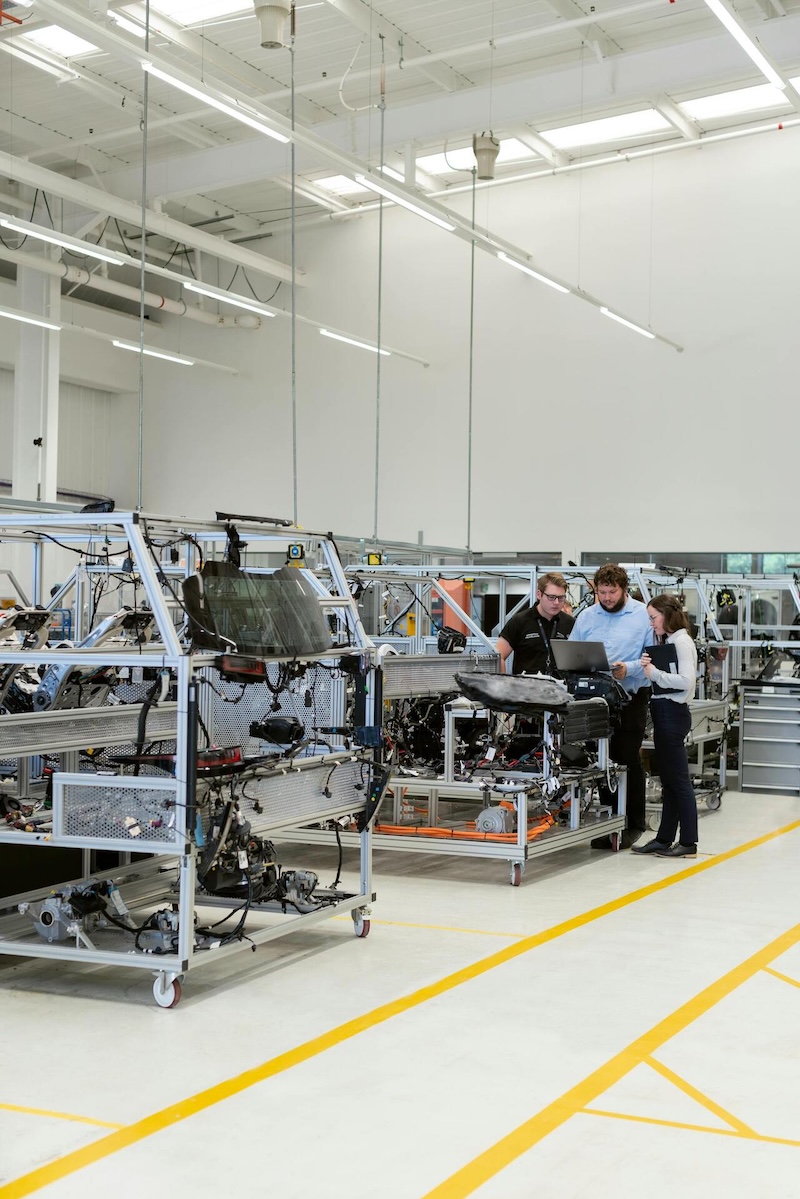
The benefits of 3D guidance extend beyond mere efficiency. As robots become more adept at understanding their surroundings, they can take on a broader range of tasks, from assembly to quality control. This versatility is particularly valuable in industries where adaptability is crucial. For example, in automotive manufacturing, robots equipped with 3D guidance can seamlessly switch between assembling different car models, responding to changes in production demands with ease.
The Future of Robotics with 3D Guidance
Looking ahead, the future of industrial robotics appears promising with the continued advancement of 3D guidance technology. Industry leaders are investing heavily in research and development to enhance these systems further. The goal is to create robots that can not only recognize and manipulate objects but also learn from their environment and improve their performance over time.
As global manufacturing continues to evolve, the adoption of 3D guidance technology is expected to become increasingly widespread. The potential for improved safety, reduced operational costs, and enhanced productivity makes this a critical area for investment and innovation.
In conclusion, the transition from pre-programmed movements to intelligent, adaptive systems powered by 3D guidance represents a significant leap forward in the robotics industry. As companies strive to remain competitive in a rapidly changing market, embracing these technological advancements will be essential for success. The integration of 3D guidance not only enhances operational efficiency but also paves the way for a new era of industrial automation.