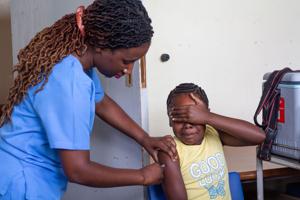
Health officials partnered with a regional Under-17 girls’ soccer tournament in Zimbabwe to promote cervical cancer vaccinations among young girls in Africa. The initiative, which took place in September 2023, aimed to raise awareness about cervical cancer and increase vaccination rates, leveraging the popularity of soccer to engage the community.
The tournament featured teams from various countries, including Lesotho’s Lishoeshoe Soccer Club and South Africa’s Mamelodi Sundowns. During the final match, Lishoeshoe found themselves trailing by four goals at halftime. Despite their efforts, they could not turn the game around, ultimately losing to Mamelodi Sundowns. While the match was significant for its sporting achievements, the underlying goal of promoting health awareness was paramount.
Health officials emphasized the importance of vaccination in preventing cervical cancer, which disproportionately affects women in Africa. According to the World Health Organization, cervical cancer is a leading cause of cancer-related deaths among women in many African nations. The collaboration between health authorities and sports organizations highlights a growing recognition of the need to address health issues through innovative outreach programs.
The tournament served as a platform for distributing information about cervical cancer and the benefits of vaccination. Health workers were on hand to provide educational materials and answer questions from players and spectators alike. They underscored that early vaccination can significantly reduce the risk of developing cervical cancer later in life.
In addition to the health benefits, the event fostered a sense of community and encouraged young girls to engage in sports. The intersection of health awareness and sports participation can empower girls, providing them not only with health knowledge but also with confidence and leadership skills.
As the tournament concluded, health officials expressed optimism about the impact of such initiatives. They believe that combining sports with health education can lead to higher vaccination rates and ultimately save lives. The success of this event may serve as a model for similar programs in the future, promoting health awareness through culturally relevant and engaging activities.
Overall, the partnership between health officials and the soccer tournament reflects a proactive approach to tackling cervical cancer in Africa. By utilizing the passion for soccer, they aim to create lasting change and improve the health outcomes for girls across the continent.