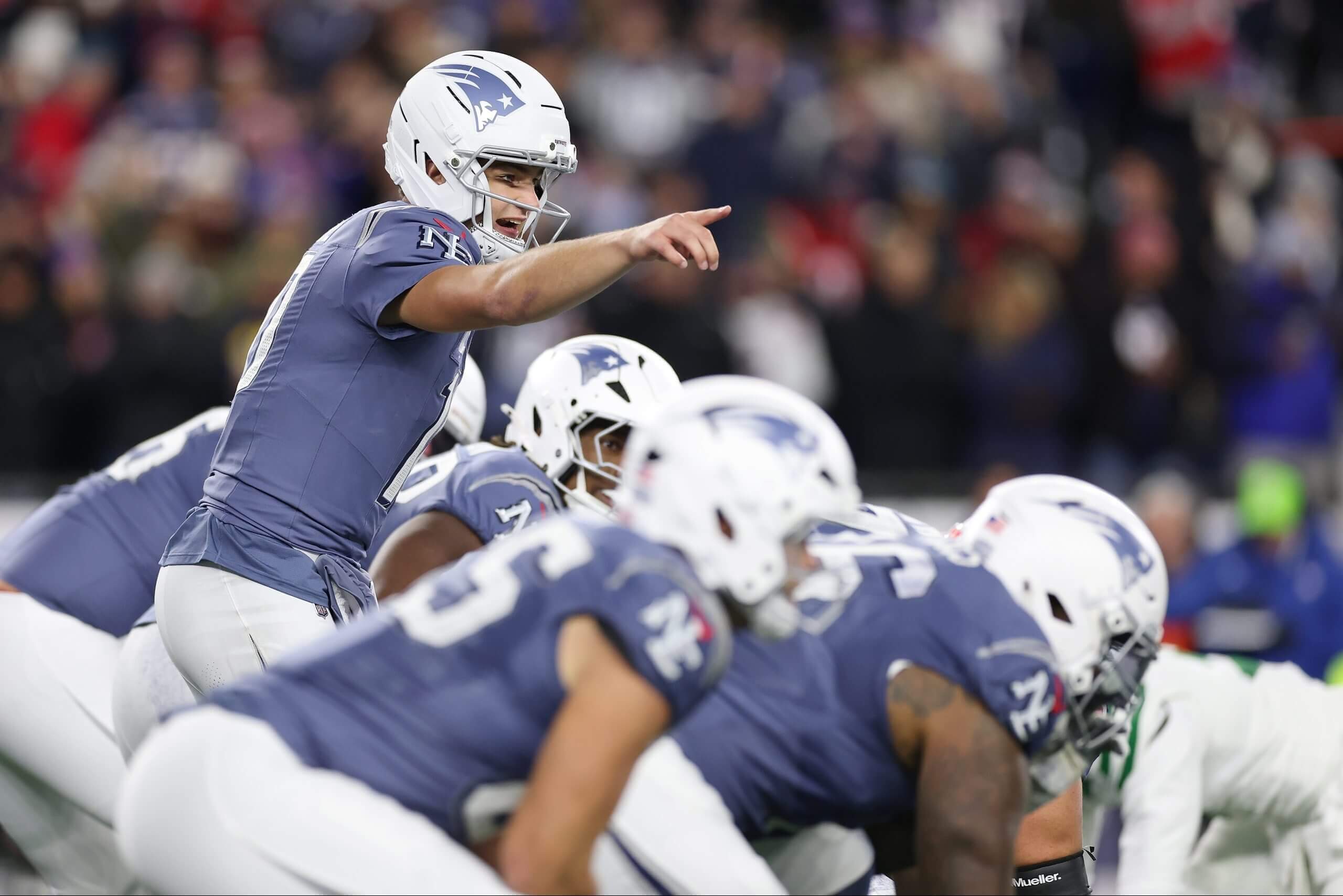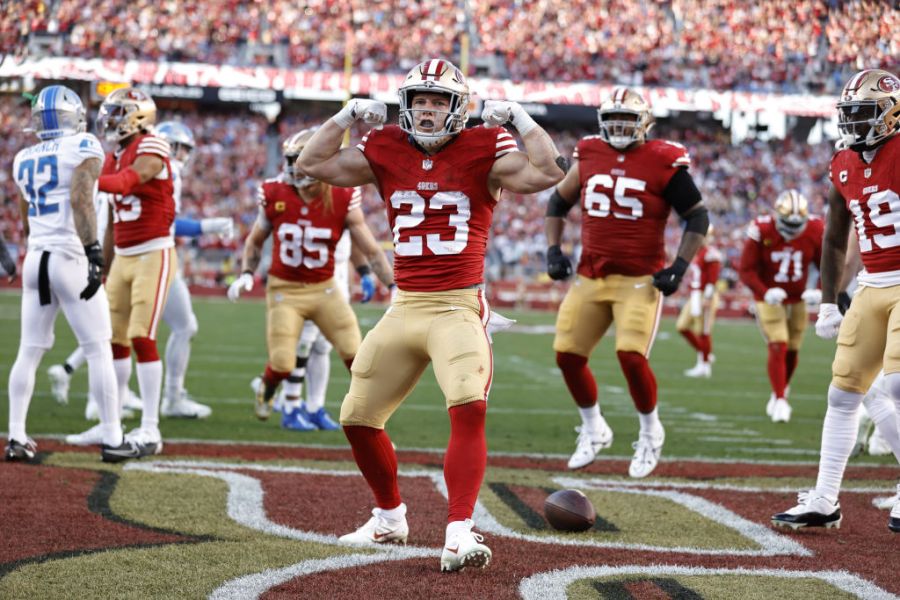
The National Football League (NFL) has come under scrutiny regarding its longstanding policy around player uniforms, specifically the visibility of players’ legs during games. While safety concerns often dominate discussions about uniform regulations, there are deeper traditions and cultural factors at play that contribute to this policy.
Historically, the NFL has maintained strict uniform guidelines to promote a consistent and professional appearance on the field. According to an NFL spokesperson, these regulations are designed to uphold the integrity of the game and ensure that players present a unified front. As a result, players are often required to wear long pants, even in warm weather conditions.
While the official narrative emphasizes safety—protecting players from injuries and preventing exposure to extreme weather—some argue that the policy also serves to uphold traditional standards of professionalism within the league. The National Football League Players Association (NFLPA) has expressed concerns about the implications of such policies on player comfort and performance. In a statement released in early March 2023, the NFLPA highlighted the need for flexibility in uniform regulations, suggesting that players should have the option to wear shorts if they choose.
The debate surrounding uniform regulations is particularly relevant during training camps, where players often opt for more comfortable attire as they prepare for the grueling season ahead. Many players have voiced their frustrations over the restrictions, citing the need for improved ventilation and mobility during workouts.
A survey conducted by the NFLPA in 2022 revealed that nearly 65% of players would prefer to wear shorts during training sessions. This sentiment reflects a broader shift in attitudes towards athlete comfort and performance, as well as a desire for more personalized choices in their uniforms.
As discussions continue, some NFL teams have begun to explore alternative options for their players. For instance, a few clubs have initiated pilot programs allowing players to wear shorts during specific practice sessions. This move aims to assess the feasibility of more relaxed uniform policies while still adhering to league regulations.
Moreover, the evolving landscape of sports culture has led to an increased focus on player individuality and self-expression. As athletes become more vocal about their preferences, the NFL may find itself needing to adapt to these changing expectations. In recent years, the league has witnessed a growing trend of players showcasing their personalities through custom gear, highlighting the importance of personal branding in modern sports.
While safety remains a paramount concern, the NFL’s uniform policy is increasingly viewed through the lens of tradition versus modernity. As athletes advocate for their rights and preferences, the league may need to reconsider its regulations to remain relevant in a rapidly changing environment.
The outcome of this debate could have significant implications not only for player comfort but also for the broader dynamics of the NFL. As teams and the league navigate this complex issue, the voices of the players will undoubtedly shape the future of NFL uniforms.