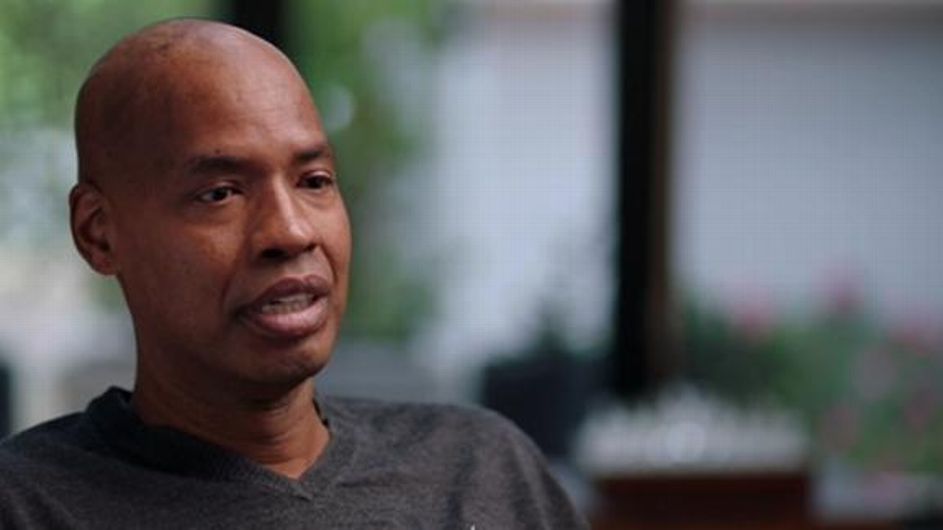
Jason Collins, the first active openly gay player in NBA history, has publicly disclosed his diagnosis of Stage 4 glioblastoma, a particularly aggressive form of brain cancer. This announcement comes as he undergoes treatment for the illness, which he describes as a fierce battle.
In a heartfelt message, Collins shared details about his health journey, beginning with a brief statement from his family a few months prior that mentioned a brain tumor, though without specifics. Collins emphasized the importance of privacy during that challenging time, as he struggled to comprehend the severity of his situation.
“I have Stage 4 glioblastoma, one of the deadliest forms of brain cancer,” Collins stated. He recounted how quickly his symptoms escalated following a joyful event—his wedding to Brunson Green in May 2023. By August, he found himself unable to complete simple tasks, ultimately leading him to seek medical attention at UCLA.
During a routine CT scan, technicians quickly recognized a serious issue. “I had enough CTs in my life to know they last longer than five minutes, and whatever the tech had seen on the first images had to be bad,” Collins recalled. Within hours, he lost significant mental clarity, likening his condition to a character from the film “Finding Nemo.”
The diagnosis of glioblastoma revealed a tumor that was not only aggressive but also highly invasive, encroaching upon critical areas of the brain. Collins described his tumor as “multiforme,” growing like a monster with tentacles throughout his brain. The biopsy indicated a growth factor of 30%, suggesting that without immediate intervention, his prognosis was dire—potentially as little as six weeks to three months.
Despite the bleak outlook, Collins expressed determination to fight. “I know there’s more fight in me,” he stated, drawing inspiration from his grandmother, who outlived her prognosis with Stage 4 stomach cancer. He remarked, “I’m going to fight it just like she did.”
As he moved through treatment, Collins’ family and friends rallied around him, formulating a plan that included a new medication called Avastin, followed by radiation therapy. Remarkably, he began to regain his strength and focus within days. By mid-October, Collins was taking short walks around his neighborhood, and he even reconnected with his phone after a period of confusion.
Determined to understand his illness, Collins began researching glioblastoma and treatment options. He likened his situation to facing an incredible challenge, similar to competing against basketball legend Shaquille O’Neal. “These are the cards I’ve been dealt,” he said. “Shut up and go play against Shaq. You want the challenge? This is the challenge.”
Collins is currently collaborating with Dr. Henry Friedman from Duke University, who specializes in treating athletes. Together, they are exploring a range of options, including innovative therapies that target glioblastomas uniquely. He is also receiving treatment at a clinic in Singapore that utilizes a pioneering delivery mechanism for chemotherapy, aiming to penetrate the blood-brain barrier and effectively combat the tumor.
The average prognosis for glioblastoma patients following standard treatments is merely 11 to 14 months. Collins, however, is committed to pursuing alternative treatments that may not only enhance his own prognosis but could also benefit future patients facing similar battles.
Reflecting on his journey, Collins recalled a moment when he fell while trying to navigate his home, unable to stand due to the tumor’s impact on his brain. He determinedly thought, “This is not how you’re going to find me.” True to his resilient nature, he managed to get back on his feet.
As he continues to share his experience, Collins remains focused on the lessons learned over his years in the NBA and beyond. He hopes that by living openly and authentically, he can inspire others facing their own challenges. “If I can do that again now, then that matters,” he said.
With each step in his treatment, Collins embodies the spirit of resilience, proving that he will not back down from this formidable opponent—just as he never backed down on the basketball court.