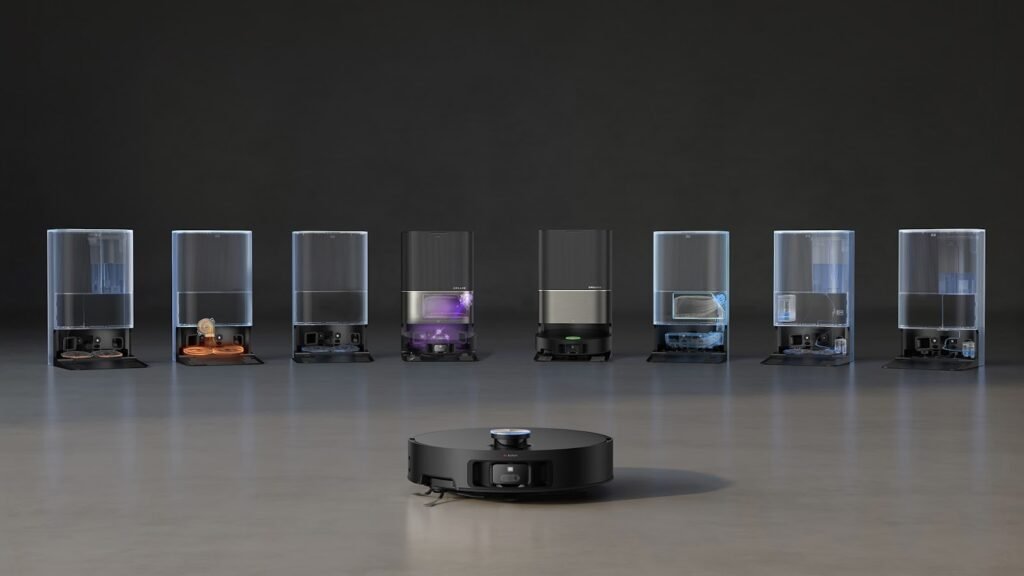
The concept of a “Smart Home” is undergoing a significant transformation, moving from passive convenience to active cleaning solutions. Over the past decade, homes have integrated devices like connected light bulbs and smart thermostats, which responded to user commands. However, the emergence of Smart Home 2.0 introduces a new level of sophistication where devices actively manage household chores without direct human intervention.
One of the most notable advancements in this new phase is in the realm of floor care. Robotic vacuums and mops are evolving from basic machines to intelligent cleaning assistants. Early iterations of robotic vacuums struggled with basic tasks, often requiring manual intervention. Today’s models, however, utilize advanced technologies such as LiDAR (Light Detection and Ranging) and vSLAM (Visual Simultaneous Localization and Mapping) to create precise maps of living spaces.
These modern devices do not merely navigate randomly; they plan efficient cleaning routes to ensure comprehensive coverage. With the integration of Artificial Intelligence (AI), these robots can identify and avoid obstacles like shoes, cables, and pet toys while cleaning. This capability allows users to set a schedule for their devices, freeing them from the need to prepare their homes beforehand.
The Next Generation of Cleaning Tools
Handheld cleaning tools have also undergone a significant transformation, moving away from traditional mops and buckets towards smart wet-dry vacuums. These innovative devices do not just rely on electricity; they utilize sensors to adapt their cleaning power based on the mess at hand. High-end models come equipped with infrared dirt detection sensors that analyze the type and amount of debris.
As users clean, these machines automatically adjust their suction power and water flow. For instance, if they encounter light dust, they conserve energy, but they ramp up to maximum power when faced with tougher spills like sticky syrup. This intelligent system optimizes cleaning without requiring constant user adjustments, enhancing the overall cleaning experience.
The self-cleaning cycles found in these devices also address common issues associated with traditional cleaning tools, such as mold and odors. By automatically washing their rollers, smart vacuums maintain hygiene, ensuring a more pleasant cleaning environment.
Connected Ecosystem of Smart Devices
The hallmark of Smart Home 2.0 is the interconnected nature of these devices. They work as part of a cohesive ecosystem rather than as isolated gadgets. Integration with voice control systems like Alexa, Google Home, or Siri allows users to give verbal commands such as “clean the kitchen,” resulting in immediate action from their robotic assistants.
Moreover, smartphone applications enable users to create “No-Go Zones” and designate specific areas for focused cleaning. For example, users can instruct their robots to avoid certain rooms during designated times, such as during a baby’s nap. Maintenance alerts sent directly to users’ phones inform them when filters need cleaning or when other maintenance is required.
Investing in this advanced technology is distinct from purchasing typical consumer electronics, such as televisions or speakers. These devices focus on productivity rather than entertainment, emphasizing a crucial value proposition: the reclamation of time. By delegating cleaning tasks to intelligent devices, households can significantly reduce the time spent on mundane chores, effectively buying back hours previously lost to cleaning.
In this new era of smart homes, the floor is no longer merely a surface to clean; it becomes a space that is autonomously maintained. This subtle shift in cleaning dynamics has the potential to redefine daily living, allowing homeowners to focus on more enjoyable pursuits rather than the routine of cleaning.
As this evolution continues, the integration of smart technology into everyday life is set to enhance the overall quality of home management, making our living environments cleaner and more efficient.