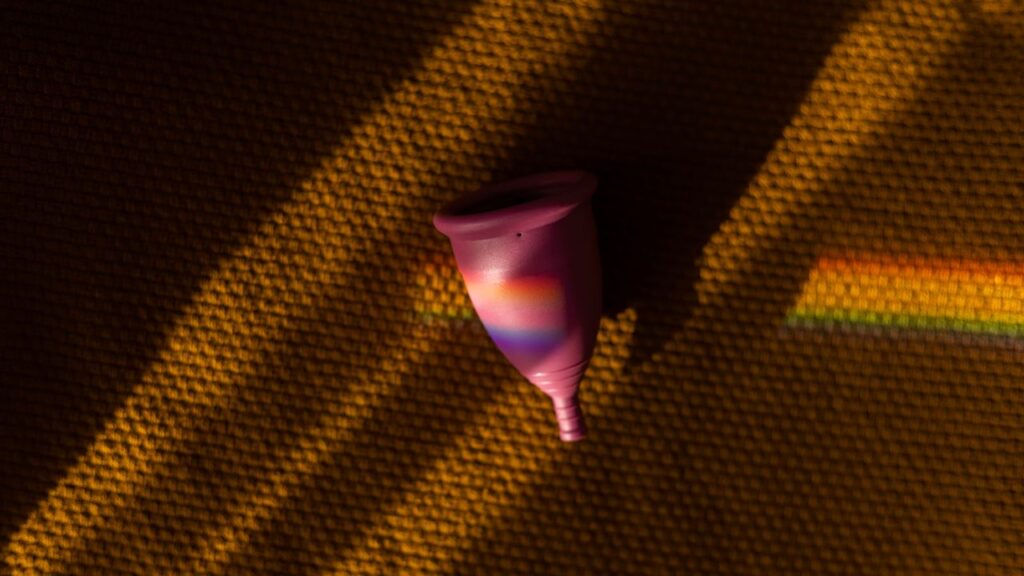
Scientists are exploring solutions for menstrual management in space by testing the durability and functionality of menstrual cups during space travel. In a significant experiment conducted by the research group AstroCup, two menstrual cups manufactured by Lunette were sent aboard an uncrewed rocket in 2022. The flight lasted approximately nine minutes, reaching an altitude of 1.9 miles (3 kilometers).
The aim was to assess how these reusable products withstand the unique challenges of space, such as vibrations and pressure changes. Following the experiment, leak tests using glycerol and water confirmed that the cups remained intact and functional, showing no signs of damage or material degradation. The findings were published on December 2, 2023, in the journal NPJ Women’s Health.
Implications for Women in Space
Menstrual cups, which are flexible silicone containers designed to collect menstrual fluid, have gained popularity as a sustainable alternative to single-use products like tampons and pads. Their ability to be reused over several years makes them an attractive option, especially in the context of space missions where waste management is critical. While many astronauts choose to manage their menstrual cycles through hormonal suppression, the continued exploration of space raises the possibility that some women may prefer to retain their natural cycles.
Traditional recycling systems on spacecraft are not equipped to handle menstrual products effectively, and single-use items can contribute to excess waste. The AstroCup team envisions menstrual cups as a viable solution that could enhance personal autonomy and health management for female astronauts.
Lead researcher Lígia Coelho, an astrobiologist at Cornell University and the principal author of the study, emphasized the importance of this research. “Now we can start implementing and redefine health autonomy in space,” she stated.
Considerations for Future Research
While the initial results are promising, the authors of the study stress the need for further research to understand how menstrual cups perform in microgravity environments and during extended missions. The current tests do not account for the challenges associated with removing the cups and managing their contents over longer durations in space.
Future experiments aim to test various menstrual products aboard the International Space Station. This could provide more comprehensive data on their efficacy and usability in space settings.
Managing menstrual cycles in space is not merely a matter of convenience; it carries implications for health and well-being. On Earth, stopping menstruation using hormonal birth control is generally considered safe and can alleviate symptoms for those with conditions like endometriosis or premenstrual dysphoric disorder (PMDD).
In space, this approach could simplify menstruation management, potentially reducing the physical and emotional side effects associated with hormonal fluctuations. However, the use of hormonal contraceptives can also present risks, such as increased blood clotting, which necessitates further investigation.
As space agencies prepare for missions to the Moon, Mars, and beyond, understanding how to support menstruating astronauts will be crucial. The authors of the NPJ Women’s Health article highlighted that “more women will have the opportunity to go to space for even longer missions, and it is paramount that their autonomy on menstrual options is respected.”
Ultimately, the research conducted by AstroCup marks a significant step towards ensuring that women’s health needs are prioritized as humanity extends its reach into the cosmos.