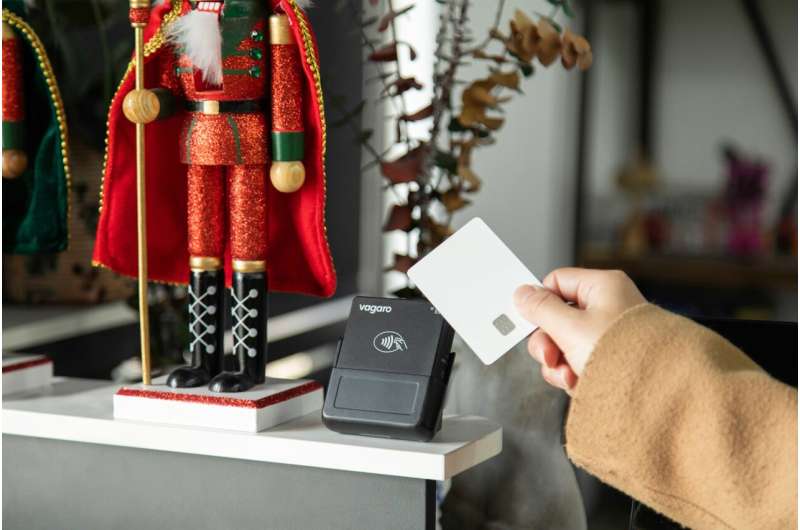
As the holiday shopping season approaches, many retailers are asking customers to consider donating to charity at the checkout. This practice, known as checkout charity, has gained popularity but is now facing scrutiny as research reveals that it may lead to negative feelings among shoppers. A recent study indicates that rather than fostering goodwill, these requests often result in feelings of guilt and pressure, particularly during a time of increasing living costs.
Understanding Checkout Charity
The concept of checkout charity involves cashiers soliciting small donations from customers just before they complete their purchases. Retailers such as Cotton On in Australia, which raised approximately A$20 million in 2024, and Domino’s in the United States, which has collected over US$126 million for St Jude Children’s Research Hospital in the past two decades, have successfully leveraged this strategy. On the surface, it appears beneficial: charities receive funding, companies enhance their image, and customers get an opportunity to contribute to good causes.
However, recent findings suggest that these requests can backfire. Researchers examined customer reactions to checkout donation scenarios and found that many shoppers feel pressured, guilty, and anxious when asked for donations at the register. This phenomenon raises questions about the long-term efficacy and impact of checkout charity.
Research Findings on Consumer Reactions
The study involved a survey of 329 consumers who were asked about their feelings and attitudes toward checkout donation requests. Many respondents expressed discomfort with the practice. Comments included sentiments such as, “The grocery store has a lot more money than I do. Why am I the one expected to make a donation?” and “I feel like they are using the social construct of societal shame to coerce people into donating.”
These negative emotions can influence consumer behavior. Those who felt pressured were less likely to donate, less satisfied with their shopping experiences, and more critical of the retailers involved. Such outcomes could harm both retailers and the charities they intend to support.
Time and social pressures play a significant role in customer reactions. Shoppers often feel rushed and judged when asked to make a quick decision in front of others. This environment can diminish the positive feelings typically associated with charitable giving, referred to by researchers as the “warm glow” effect.
Many consumers also expressed skepticism toward the motives behind checkout charity requests. Doubts about how donations are allocated and concerns over companies profiting from these initiatives contribute to this skepticism. Some respondents mistakenly believe that businesses receive tax benefits from the donations.
Improving Checkout Charity Initiatives
Despite these challenges, there are ways to enhance the effectiveness of checkout charity campaigns. The researchers recommend that retailers introduce information about donation opportunities earlier in the shopping journey, such as through posters or flyers. This approach could alleviate the surprise element at checkout, reducing both time pressure and anxiety.
Some retailers, like Woolworths, have successfully implemented this strategy by informing customers about donation options ahead of time. Additionally, redesigning payment screens to allow for private decision-making can mitigate feelings of being judged by others.
Engaging stories about beneficiaries rather than merely presenting numerical goals can also enhance customer engagement. Transparency regarding how funds are collected and allocated is crucial to rebuild trust among consumers.
Ultimately, while checkout charity initiatives can provide valuable support to various causes, they must be approached thoughtfully to avoid alienating customers. Retailers looking to implement these campaigns during the busy holiday season should prioritize creating a positive, transparent, and pressure-free environment for shoppers.