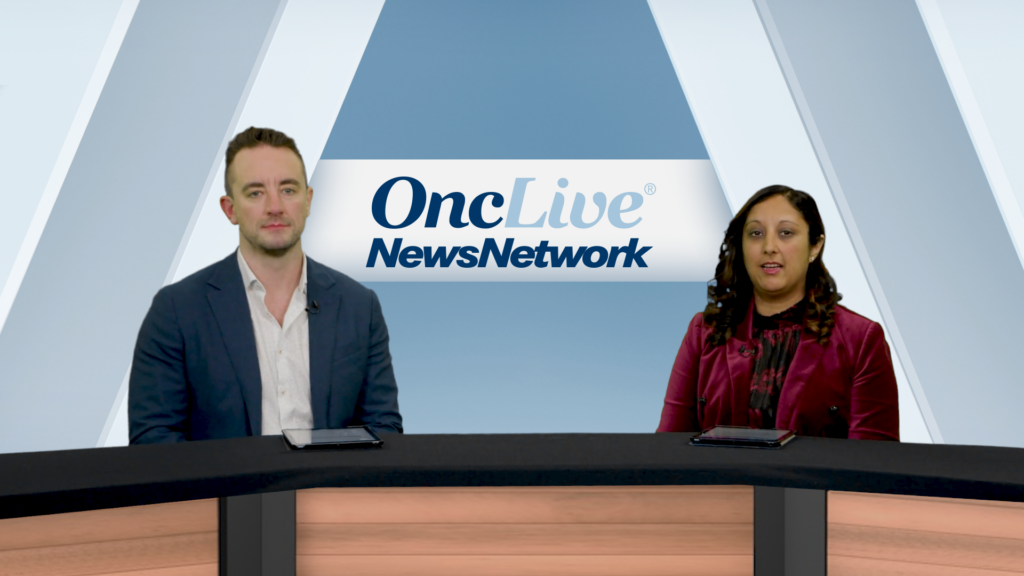
Recent discussions among leading researchers have spotlighted the potential of CAR T-cell therapy to expand beyond its current focus on B-cell maturation antigen (BCMA) in treating multiple myeloma. Dr. Krina K. Patel, MD, MSc, and Dr. Matthew J. Frigault, MD, have emphasized the importance of investigating alternative antigens as part of a broader strategy to enhance treatment efficacy and address the limitations of existing therapies.
Multiple myeloma, a complex blood cancer, has historically relied heavily on therapies targeting BCMA. While these treatments have shown promise, the emergence of resistance in some patients presents a significant hurdle. In response to this challenge, Patel and Frigault argue that diversifying therapeutic targets could lead to improved outcomes and long-term disease control.
Expanding the Therapeutic Landscape
The researchers note that several alternative antigens are currently under investigation in clinical trials, which could offer fresh avenues for treatment. These include targets such as GPRC5D and CD19, among others. The rationale for exploring these options hinges on the understanding that not all patients respond uniformly to BCMA-targeted therapies.
The urgency for new treatment strategies is underscored by the statistics surrounding multiple myeloma. According to the American Cancer Society, approximately 34,920 new cases were expected in the United States in 2023, highlighting the need for innovative approaches to combat this disease effectively.
Patel and Frigault assert that incorporating multiple targets into treatment regimens could potentially mitigate the risk of resistance. This approach aligns with a growing trend in oncology to tailor therapies to the unique characteristics of each patient’s disease, ultimately aiming for more personalized and effective treatment plans.
Clinical Implications and Future Directions
As research progresses, the implications for clinical practice could be significant. By broadening the scope of CAR T-cell therapy, healthcare professionals may be able to offer more comprehensive care to patients with multiple myeloma, improving both response rates and duration of remission.
The ongoing exploration of alternative antigens reflects a shift in understanding cancer treatment dynamics. As Patel and Frigault continue their investigations, the potential for improved outcomes becomes increasingly tangible. Their work not only paves the way for advancements in therapy but also reinforces the importance of adaptability in medical research.
The push to diversify treatment options in multiple myeloma could transform the landscape of care for patients, offering hope to those who may not have responded well to existing therapies. As these studies unfold, the medical community remains hopeful for breakthroughs that will enhance the effectiveness of CAR T-cell therapy and ultimately improve survival rates for individuals battling this challenging disease.