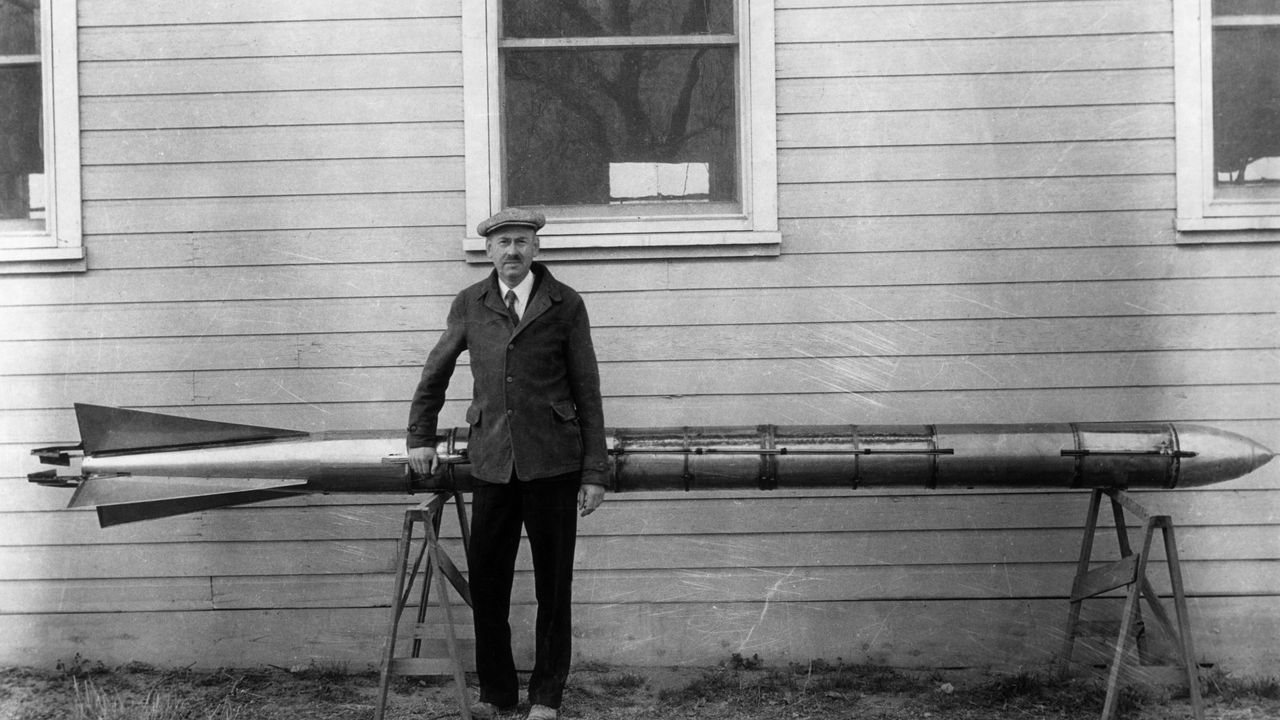
Innovations in space travel are reaching new heights as several companies have announced breakthroughs in overcoming the challenges of gravity. On March 15, 2024, NASA, along with private companies such as SpaceX and Blue Origin, unveiled technologies designed to make space exploration more accessible and efficient. These advancements promise to reshape the future of space transport and increase the frequency of missions to the International Space Station (ISS) and beyond.
With the recent successful launch of the latest SpaceX Starship, the company demonstrated its ability to transport larger payloads into Low Earth Orbit (LEO). This achievement is expected to significantly reduce the cost of sending materials and astronauts to the ISS. SpaceX CEO Elon Musk announced that the company has successfully completed over 30 missions in the last year alone, marking a new record in space travel frequency. “We are making space more accessible than ever before,” Musk stated during the launch event.
Meanwhile, NASA has been collaborating with private sector partners to develop advanced propulsion systems. These systems utilize cutting-edge technology that promises to minimize fuel consumption and maximize efficiency. According to NASA Administrator Bill Nelson, the new propulsion technology could enable missions to destinations previously deemed too remote or costly. “Our goal is to make space travel sustainable and routine,” Nelson emphasized.
In addition to SpaceX, Blue Origin, founded by billionaire Jeff Bezos, is also making significant strides in the industry. The company recently announced plans to launch a new suborbital vehicle that will provide research opportunities for scientific organizations. This initiative aims to facilitate experiments in microgravity at a fraction of the current costs, with estimated funding of around $1 billion for the next five years.
The competition among major players in the space industry, including Richard Branson’s Virgin Galactic, is intensifying. Each company is striving to achieve milestones that will secure their positions as leaders in space exploration. Branson’s company recently completed its first commercial flight, marking a significant step toward making space tourism a reality. “We are paving the way for future generations to explore the cosmos,” Branson stated enthusiastically.
As these companies continue to innovate, the implications for scientific research, commercial activities, and even tourism are profound. The potential for regular space travel could open new avenues for understanding our universe and addressing challenges on Earth.
The race to overcome gravity is not just a technical challenge; it represents a pivotal moment in humanity’s quest for exploration. With advancements in technology and the commitment of both public and private sectors, space travel may soon become a routine aspect of scientific inquiry and commercial enterprise. As we look toward the future, the possibilities are as vast as space itself.