NASA has announced plans for its first medical evacuation from the International Space Station (ISS) following an astronaut’s serious but undisclosed medical condition. The evacuation is scheduled to begin no earlier than 17:00 EST on January 14, 2024, with the goal of landing the crew near California early the following morning, January 15, 2024, subject to weather and recovery conditions.
During a briefing, NASA administrator Jared Isaacman emphasized the importance of the decision, stating, “After discussions with chief health and medical officer Dr. James Polk and leadership across the agency, I’ve come to the decision that it’s in the best interest of our astronauts to return Crew-11 ahead of their planned departure.” This marks a significant event in the agency’s 25-year history of operating the ISS.
The astronaut’s illness necessitated the cancellation of NASA’s first spacewalk of the year. While the specific medical issue has not been disclosed due to privacy concerns, Isaacman characterized it as a “serious medical condition.” He further explained, “That is why we’re pursuing this path.” Dr. Polk reassured the public that, “Because the astronaut is absolutely stable, this is not an emergent evacuation.”
Crew-11, led by US commander Zena Cardman, has been stationed on the ISS since arriving on a SpaceX capsule in August 2023. The crew also includes NASA astronaut Mike Fincke, Japanese astronaut Kimiya Yui, and Russian cosmonaut Oleg Platonov. Meanwhile, three other crew members—US astronaut Chris Williams and Russian cosmonauts Sergei Mikayev and Sergei Kud-Sverchkov—will continue their work on the station.
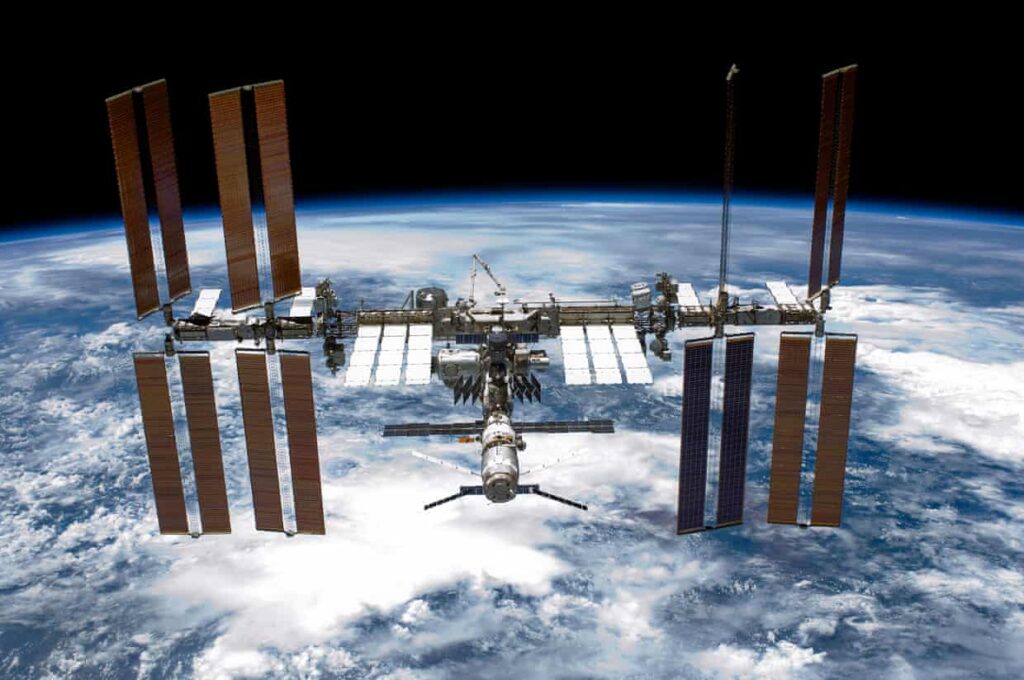
This evacuation highlights ongoing concerns regarding the aging ISS, which NASA plans to decommission by late 2030 or early 2031 due to high operational costs. The agency’s focus remains on the safety of its astronauts while continuing to conduct scientific research in the challenging environment of space.
As the situation develops, NASA will provide updates to ensure the public is informed about the health of its astronauts and the status of the ISS.