Recent research indicates that the mRNA technology, which played a crucial role in combating the COVID-19 pandemic, may now offer new hope in the fight against cancer. Patients with lung and skin cancer who received COVID-19 mRNA vaccines in conjunction with standard immunotherapy exhibited nearly double the survival rate compared to those who only received immunotherapy. This significant finding, reported by researchers at the MD Anderson Cancer Center and the University of Florida, suggests that the vaccines effectively retrain patients’ immune systems to identify and attack tumors.
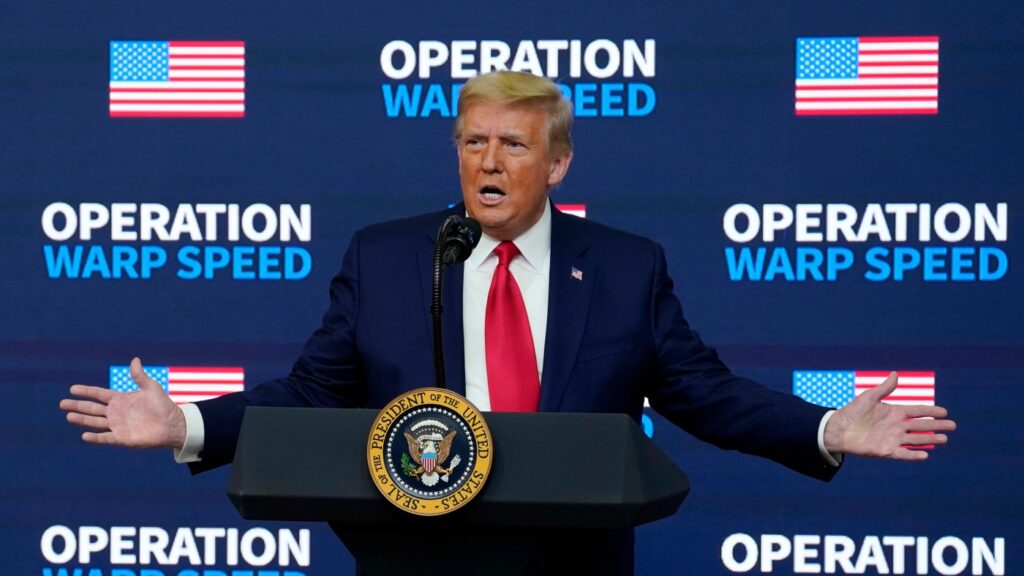
The emergence of mRNA vaccines as a potential universal cancer treatment can be traced back to initiatives like Operation Warp Speed, launched during the presidency of Donald Trump. This program facilitated rapid collaboration between scientists, manufacturers, and regulators, resulting in the development of vaccines within seven months. The effort not only saved millions of lives but also generated an estimated $1 trillion in healthcare cost savings.
Research into the use of messenger RNA as a cancer treatment had been ongoing for decades, yet investment remained scarce until after Operation Warp Speed. Subsequently, significant private funding surged into mRNA research, leading to over 120 mRNA clinical trials currently underway targeting various forms of cancer. Preliminary studies suggest that mRNA vaccines can lower relapse rates in melanoma patients and even reduce the size of pancreatic tumors.
Challenges Ahead for mRNA Research
Despite this progress, the future of mRNA technology may face challenges stemming from existing policies. The Inflation Reduction Act, a key legislative achievement of the Joe Biden administration, introduced price controls on drugs for the first time. Critics argue that these measures could hinder long-term investments essential for developing new cancer treatments. In an area where drug development often spans over a decade and requires substantial follow-up research, such constraints are particularly concerning.
Industry data indicates a marked decline in post-approval clinical trials exploring new applications for cancer treatments since the Inflation Reduction Act took effect. Companies are increasingly shelving projects deemed unlikely to recoup costs under the new pricing structure imposed by the government.
Adding to these concerns, Health and Human Services Secretary Robert F. Kennedy Jr. recently announced cuts of nearly $500 million to contracts related to mRNA vaccine research. This decision has raised alarms among researchers who believe the technology’s potential for cancer treatment is just beginning to be realized.
The Path Forward for Cancer Research
Advocates for cancer research are calling for renewed investment and support for mRNA technology to build upon its recent successes. A second term for President Trump could focus on enhancing funding for mRNA research and streamlining the drug approval process. These actions would enable American companies to expedite the development of the next generation of cancer treatments and cures.
As the medical community continues to explore the possibilities of mRNA technology, the promise of a revolutionary shift in cancer treatment looms large. The advancements made in recent years highlight the importance of collaboration between government and industry in pushing the boundaries of medical science.