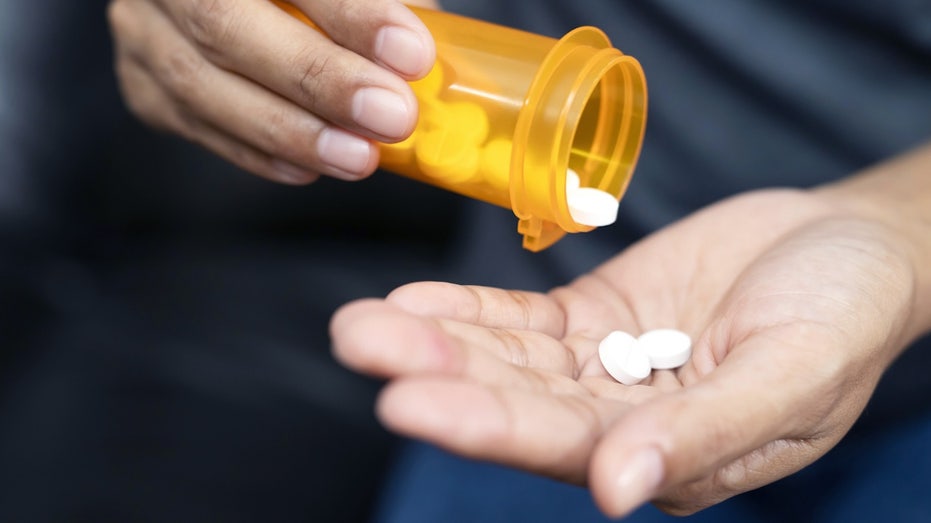
A team of engineers at the Massachusetts Institute of Technology (MIT) has created an innovative smart pill that confirms when medication has been swallowed. This advancement aims to improve adherence to treatment regimens, particularly for patients whose health depends on consistent medication intake. The new technology not only enhances tracking for healthcare providers but also alleviates the stress on patients managing their treatments.
Understanding the Smart Pill Technology
The smart pill integrates a tiny, biodegradable radio-frequency antenna made from zinc and cellulose within a standard pill capsule. These materials are recognized for their safety in medical applications. The process unfolds as follows: upon swallowing, the outer coating of the capsule dissolves in the stomach, releasing the medication along with the antenna, which then emits a radio signal confirming ingestion. This entire sequence occurs within approximately 10 minutes, and an external receiver can detect the signal from a distance of up to two feet.
In contrast to earlier designs that involved components remaining intact through the digestive system, the MIT team’s design prioritizes safety by ensuring nearly all parts of the antenna decompose within days. A small, off-the-shelf RF chip remains, which passes naturally through the body. Lead researcher Mehmet Girayhan Say explained that the goal is to confirm pill ingestion reliably while avoiding any long-term buildup of materials in the body.
Target Patient Populations and Implications
This smart pill is not intended for all medications, but rather for specific patient groups where missed doses could have severe consequences. Potential beneficiaries include:
– Organ transplant recipients requiring immunosuppressants
– Patients suffering from chronic infections such as tuberculosis or HIV
– Individuals who have undergone recent stent procedures
– Those with neuropsychiatric disorders
For these patients, consistent medication adherence can be critical, making the smart pill a potentially life-saving innovation.
The research findings, published in Nature Communications, emphasize the importance of patient health over surveillance. Senior author Giovanni Traverso stated that the technology aims to support patients rather than monitor them. With funding from organizations including Novo Nordisk and the U.S. Advanced Research Projects Agency for Health, the team is proceeding with further preclinical testing, with human trials expected to follow.
Medication non-adherence remains a significant public health issue, contributing to hundreds of thousands of preventable deaths annually and escalating healthcare costs by billions of dollars. This problem is particularly acute among patients who require long-term treatment, such as organ transplant recipients and those managing complex neurological conditions. For these individuals, the consequences of missed doses can be dire.
As this smart pill technology progresses toward real-world application, it promises to enhance the management of medication adherence. However, it also raises crucial questions regarding privacy and consent associated with medical data sharing. Future implementations will need to incorporate robust safeguards to protect patient information.
For those currently relying on critical medications, this innovative technology could provide an additional layer of safety and support, potentially reducing the burden on healthcare providers. While the smart pill is not yet available, individuals are encouraged to utilize existing tools, such as smartphone applications, to track their medication schedules effectively.
The development of a pill that confirms ingestion may seem futuristic, but it addresses a pressing health issue. By combining straightforward materials with advanced engineering, MIT researchers have created a solution that could significantly improve patient outcomes without leaving residual components in the body. As testing advances, this approach holds the potential to transform the landscape of medication management.