Michigan State University (MSU) has launched a new facility dedicated to testing microelectronics against cosmic rays, a critical step for industries reliant on robust technology. The $14 million K500 Chip Testing Facility, situated within the university’s Facility for Rare Isotope Beams (FRIB), opened in February 2023 and simulates decades of cosmic ray exposure in mere minutes. This facility is one of only three heavy ion cyclotron facilities available for chip testing in the United States, serving sectors such as space, defense, and automotive manufacturing.
The intricate electronics that have become integral to daily life—found in smartphones, vehicles, and satellites—are vulnerable to cosmic rays. These rays, which originate from sources including the sun and distant galaxies, can disrupt electronic systems, leading to issues ranging from minor glitches to severe failures. The need for microchip manufacturers to assess their products’ resilience against this cosmic bombardment has never been greater.
Thomas Glasmacher, laboratory director at FRIB, noted the increasing reliance on technology that must endure the harsh conditions of space. He stated, “The 6G cell phone is all going to be satellite-based; a lot of satellite data centers are going into space. So these chips, these power supplies, need to withstand the cosmic rays that hit them all the time.”
Facility Capabilities and Technological Innovations
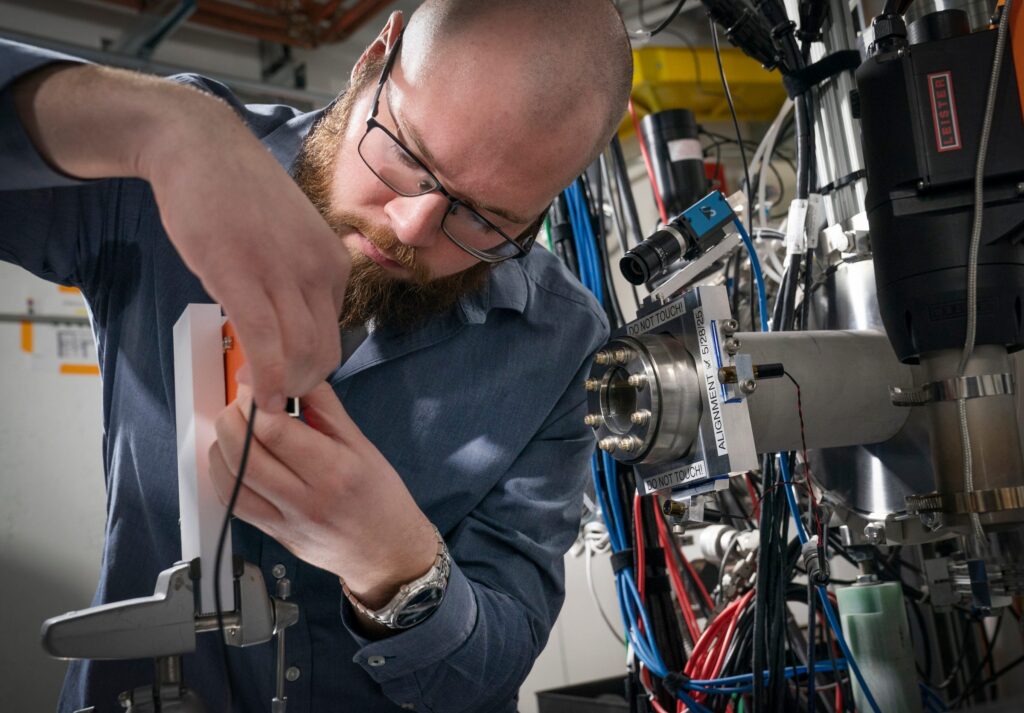
The K500 facility utilizes the university’s existing K500 superconducting cyclotron, originally built in 1982 for high-energy research. Its renovation allows it to now focus on testing semiconductors for a variety of applications. Glasmacher explained the facility’s rapid testing capabilities: “You need to, in a limited amount of time, provide the kinds of cosmic rays a device or a chip in space sees in 50 years or so.” With its advanced technology, the facility can replicate 50 years of cosmic ray exposure in just five seconds.
Cosmic rays, which are primarily protons and atomic nuclei, pose a significant hazard as they travel at nearly the speed of light. When they intersect with electronic components, they can induce malfunctions. This risk was starkly highlighted in October 2025, when an Airbus A320 operated by JetBlue experienced a sudden altitude drop due to a malfunction in its flight control systems, attributed to cosmic ray interference. Following the incident, Airbus grounded 6,000 aircraft for software updates, leading to widespread travel disruptions.
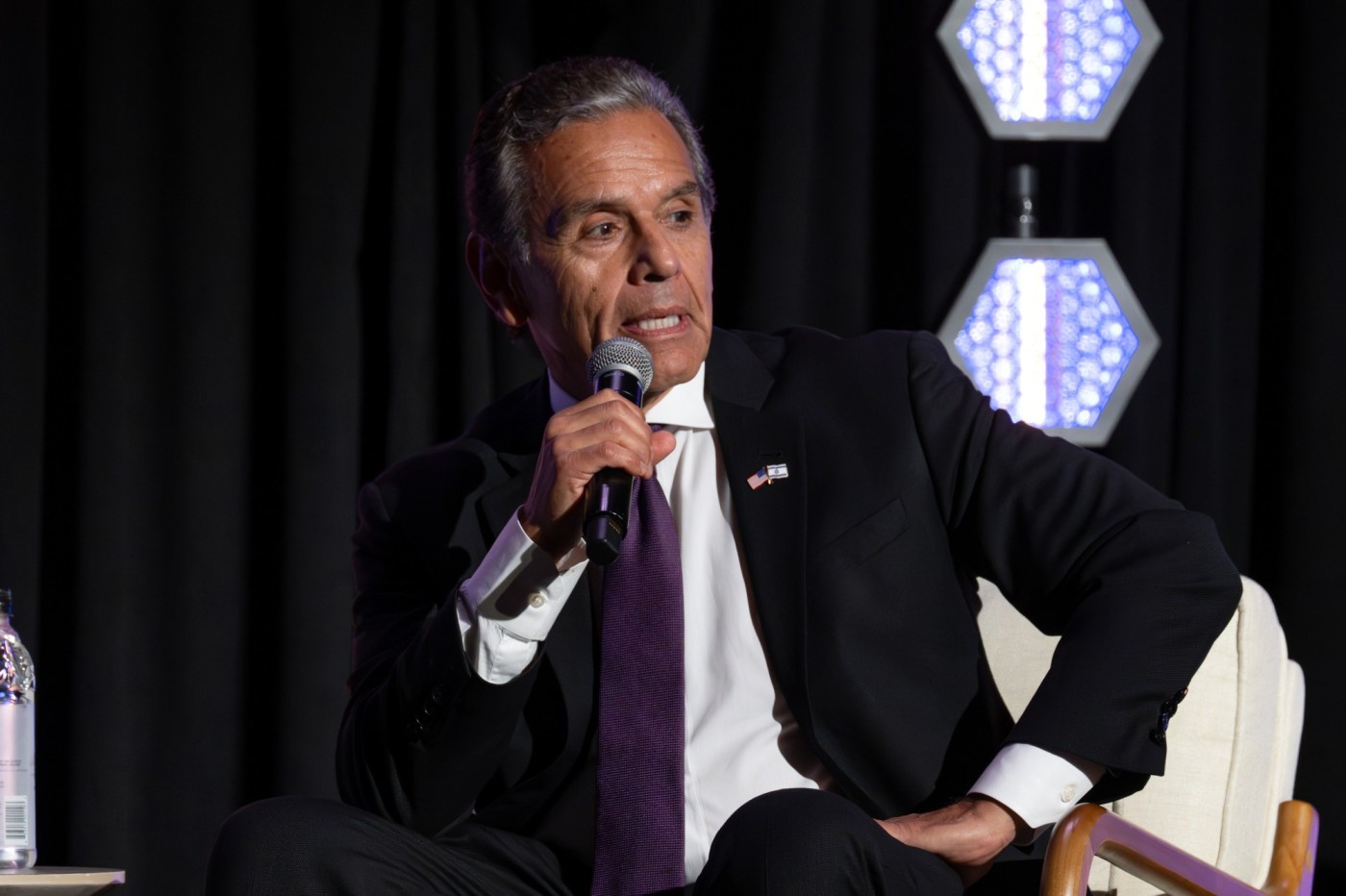
MSU’s K500 facility offers a variety of testing options, allowing clients to customize their experiments. Steve Lidia, FRIB beam instrumentation and measurement department manager, emphasized the flexibility of the facility, stating, “We give customers a menu, and they order off the menu.” The facility is currently operating at about 40% capacity, anticipating approximately 2,500 hours of testing time for clients this year.
Educational Opportunities and Future Developments
The K500 facility serves not only industry but also provides valuable educational experiences for MSU students. John Papapolymerou, interim dean of MSU’s College of Engineering, highlighted the importance of the facility for workforce development. He stated, “This facility gives us more opportunity, because we have more available hours to train more and more students. They get collaboration with industry, they can work on advancing that technology.”
Plans are underway to expand the facility, including a new 5,500-square-foot addition that will enhance its capacity for simultaneous activities. MSU anticipates that the K500 will integrate with the Leinweber Center for Engineering and Digital Innovation, set to open in August 2028. This new center will focus on convergence in education, research, and career readiness, covering fields such as materials science, artificial intelligence, and semiconductor research.
Papapolymerou expressed optimism about the future, asserting, “I do believe this will be a national hub of training students for designing these types of systems that go into space, testing them, innovating around them.”
As the demand for resilient microelectronics grows, Michigan State University’s K500 facility positions itself at the forefront of technology testing, ensuring that products developed today can withstand the challenges of tomorrow’s environments.