Each year, the editors of IEEE Spectrum undertake the task of identifying groundbreaking technologies that have the potential to solve complex problems or disrupt entire industries. As preparations begin for the January tech forecast issue, the focus is on innovations that, while perhaps overlooked by mainstream technology media, are poised to advance society. The findings from this year’s exploration highlight several promising projects, including novel energy storage solutions and cutting-edge medical treatments.
Energy Storage Innovations on the Horizon
A standout feature in this issue is Emily Waltz‘s investigation into grid-scale energy storage, particularly through the use of a unique technology developed by Energy Dome in Milan. During her visit to Sardinia, Waltz examined the company’s “bubble battery,” which has the capacity to store up to 200 megawatt-hours of energy by compressing and decompressing pure carbon dioxide within an inflatable dome. This innovative system could significantly benefit data centers, especially those powered by artificial intelligence, according to Samuel K. Moore, Senior Editor at IEEE Spectrum.
Moore emphasizes the advantages of this technology, stating, “When we think about energy storage, our minds usually go to grid-scale batteries. Yet these bubbles, which are in many ways more capable than batteries, will be sprouting up all over the place.” The adaptability and modular design of the bubble battery make it a compelling solution for energy challenges.
Advancements in Medical Technology
In addition to energy solutions, advancements in medical technology are also capturing attention. HistoSonics is at the forefront of a promising treatment for pancreatic cancer, a disease that claims nearly 500,000 lives each year globally. The company employs non-invasive focused ultrasound to create cavitation bubbles that can destroy tumors without damaging surrounding tissue. The upcoming trials for pancreatic cancer treatments are set to conclude alongside ongoing kidney trials, marking a significant milestone in cancer treatment.
Moreover, Moore explores the competitive landscape of startups developing radio-based cables as a replacement for conventional copper and fiber optic cables in data centers. These innovative systems can connect processors up to 20 meters apart while using only a third of the power and cost compared to traditional methods. The integration of these radio connections with graphics processing units (GPUs) is expected to ease cooling burdens, further enhancing the efficiency of data centers.
From Drones to Firefighting Technologies
The evolution of drone technology is another area of focus for IEEE Spectrum. In 2018, the publication highlighted Zipline, a startup that began deploying autonomous drones for medical supply deliveries in rural Rwanda. Fast forward to today, and Zipline has expanded its reach, operating in multiple countries including the United States, with a market capitalization of approximately USD 4 billion and nearly 2 million drone deliveries completed.
In this issue, journalist Robb Mandelbaum provides insights into the Wildfire XPrize competition. This initiative aims to develop technologies capable of detecting and suppressing wildfires more efficiently than traditional methods. The goal is to mitigate the devastating impact of wildfires, underscoring the importance of rapid response in preserving lives and ecosystems.
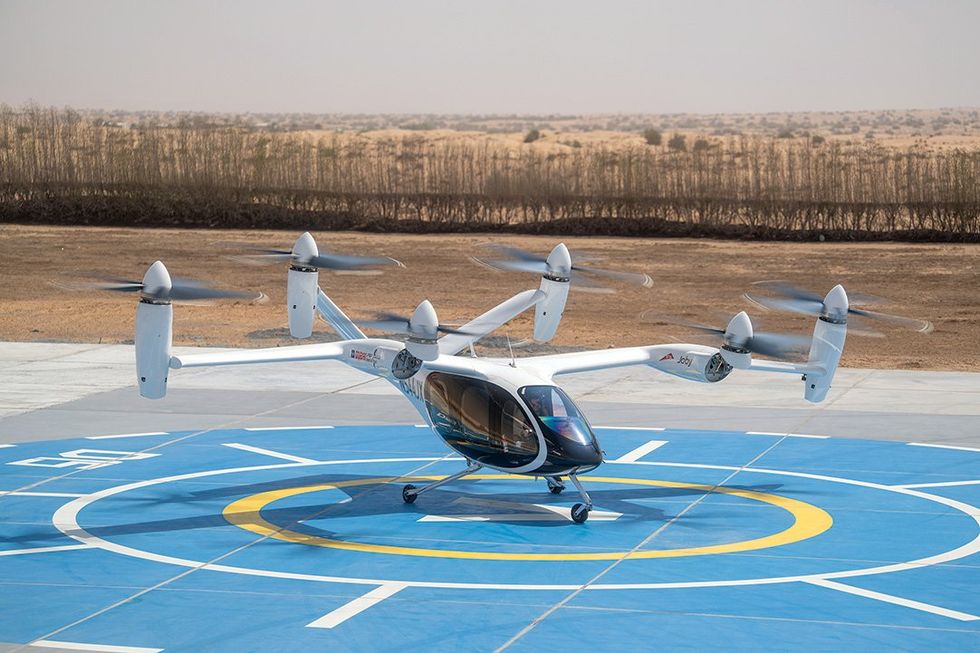
A wide range of additional technologies is also covered, including Porsche’s wireless home charger for electric vehicles, the world’s first electric air taxi service, neutral-atom quantum computers, interoperable mesh networks, and robotic baseball umpires.
As the tech landscape continues to evolve, these innovations reflect a commitment to harnessing technology for the benefit of humanity. The upcoming issue of IEEE Spectrum promises to shed light on these transformative technologies, inviting readers to consider their potential impact on future industries and societal challenges.