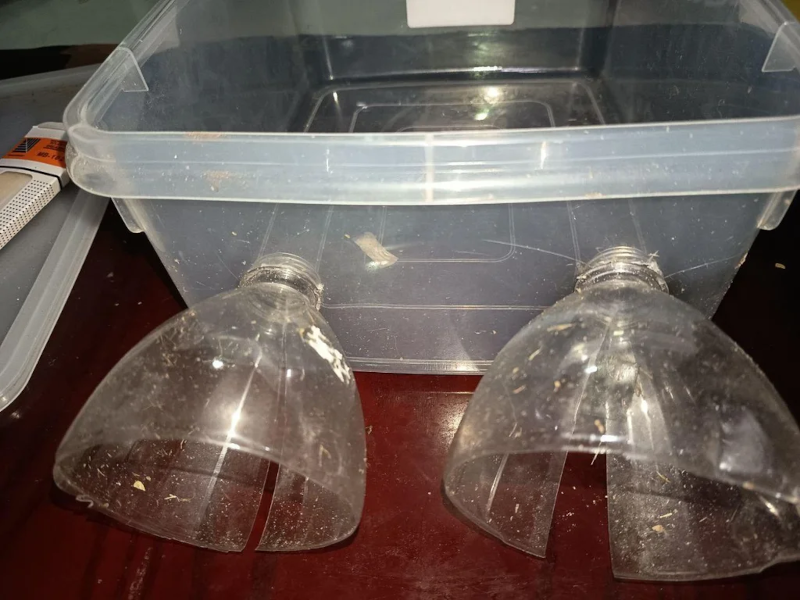
A recent project led by azwankhairul345 showcases an innovative approach to environmental monitoring by utilizing recycled materials to construct effective sensor packages. This initiative demonstrates that the technological challenges associated with environmental monitoring—specifically, the sensors and computing power—are largely resolved. The focus now shifts to how best to package these solutions for practical use.
The project employs the Raspberry Pi Pico W as the core processing unit. This device offers the necessary processing capabilities and connectivity options for a variety of environmental monitoring applications. Coupled with a large power bank battery, the setup provides ample energy for operation. The system integrates off-the-shelf sensors that measure key environmental factors such as magnetic field strength, air quality, temperature, and humidity.
Creative Use of Recycled Materials
The choice of materials plays a significant role in the project’s design. The protective casing for the sensors is made from recycled plastic containers. This not only reduces costs but also highlights an eco-friendly approach to technology. Additionally, the design incorporates PVC pipes and plastic covers for the sensors, which bear a resemblance to the tops of drink bottles, enhancing both functionality and sustainability.
While this solution is promising, it does come with limitations. The device is powered by a battery bank that currently lacks a recharging mechanism, necessitating maintenance every two days. Depending on the specific application, this could pose a challenge. Users may need to consider alternative power supply solutions to ensure continuous operation.
Comparative Performance
When evaluating the performance of this recycled environmental monitor, it is important to note that it may not match the efficiency of more traditional models, such as those utilizing a Hoffman box-style container. These established designs have proven effective in protecting sensitive equipment from environmental factors. Nonetheless, the ingenuity of using recycled materials and readily available components may offer a viable option for cost-conscious projects.
In conclusion, the environmental monitor project spearheaded by azwankhairul345 exemplifies how innovative thinking and sustainability can intersect in technology. By employing recycled materials and accessible components, this initiative not only addresses environmental monitoring needs but also promotes a greener approach to technological development. As the project progresses, it may inspire further advancements in the field of environmental monitoring.