A new pilot program in Illinois aims to investigate the effects of unconditional cash assistance on families involved in the child welfare system. Led by Brightpoint, an organization with over 142 years of service in child and family support, this initiative seeks to provide financial aid to families in an effort to enhance child safety and family stability.
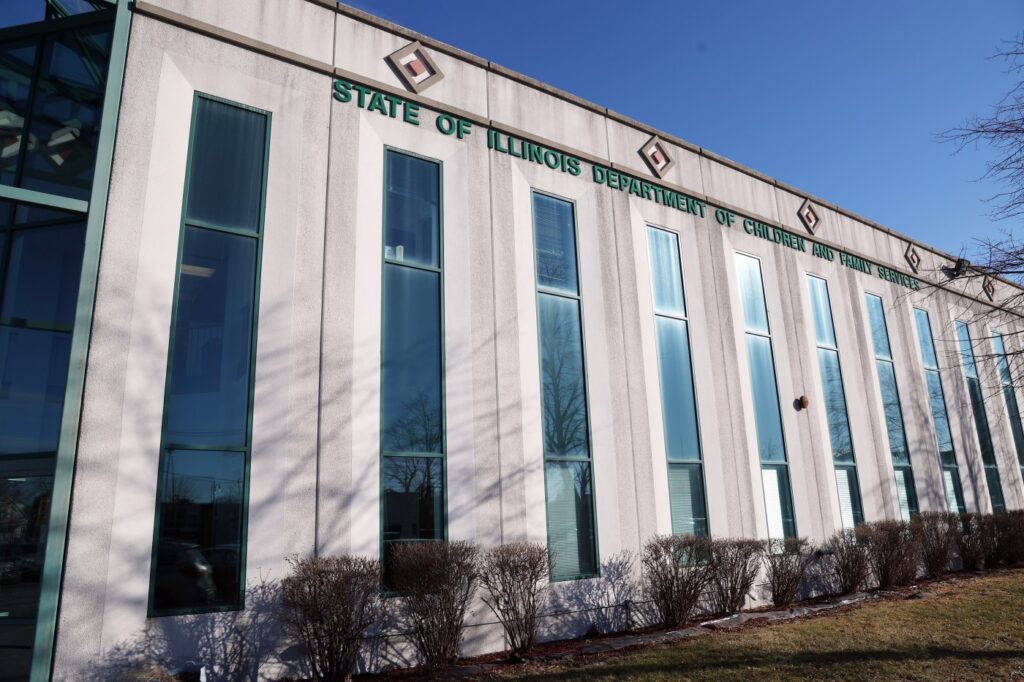
The pilot, which collaborates with the Illinois Department of Children and Family Services, is the largest guaranteed income project of its kind in the United States. According to Brightpoint’s CEO, Mike Shaver, the program follows 800 families, with half receiving an average of $500 per month for a duration of 12 months. This financial support is intended to complement existing services such as the Intact Family Services program, which aims to stabilize families and prevent crises that could lead to children entering foster care.
Critics, including professors Sarah A. Font and Emily Putnam-Hornstein, have raised concerns about the efficacy of cash assistance in improving outcomes for children. In their January 2 op-ed, they questioned whether financial support could truly mitigate child maltreatment. Shaver responded, emphasizing that the primary inquiry of the study is whether providing cash assistance can help families overcome the challenges associated with poverty, which is often linked to neglect.
The program highlights a crucial question: if poverty contributes to child neglect, what impact might direct financial aid have on families struggling to make ends meet? Shaver argues that understanding this relationship is essential, particularly given the uncertain nature of current evidence linking poverty to child maltreatment.
Addressing Poverty’s Root Causes
Many social workers and advocates for child welfare agree that addressing the root causes of poverty is vital in the fight against child neglect and abuse. Tecoria Jones, board secretary of Be Strong Families, emphasizes the importance of considering the broader societal issues that contribute to family instability. She notes that problems such as unemployment, mental health issues, and family violence are not exclusive to low-income families but are often magnified in communities facing economic hardship.
Research supports the idea that financial assistance can lead to significant improvements in family well-being. A June 2021 article by CNBC reported that during COVID-19 relief efforts, financial aid resulted in a 42% drop in food insufficiencies among households with children. Furthermore, parents utilized these funds for educational resources and emergency savings, contributing to improved mental health within families.
Jones advocates for a comprehensive approach, suggesting that cash assistance should be part of a larger strategy that includes community support and engagement. She underscores the need for social workers to challenge preconceived notions and biases in order to better understand the experiences of families in need.
Concerns Over Public Policy Direction
The conversation surrounding cash assistance programs is further complicated by the shifting landscape of public policy in the United States. Initiatives like the Family First Prevention Services Act, passed during the Trump administration, provided necessary funding for evidence-based interventions that support family unity. However, recent critiques, such as those from the American Enterprise Institute, have questioned the effectiveness of cash assistance, raising concerns about potential negative impacts on child welfare.
Marrianne McMullen, a former foster parent and child welfare advocate, expresses frustration over the negative rhetoric surrounding financial support for families. She views the opposition to cash assistance as counterproductive to efforts aimed at enhancing child well-being. McMullen urges policymakers to focus on collaboration and solutions rather than division.
Amidst the ongoing discussions, the pilot program in Illinois serves as a crucial test case. By providing families with financial support, it aims to gather data that could inform future policies and practices in child welfare. The findings from this initiative may pave the way for a more nuanced understanding of the relationship between economic stability and child safety.
As the pilot progresses, stakeholders remain hopeful that the data will reveal valuable insights into how financial assistance can positively impact families involved in the child welfare system. The emphasis on inquiry and evidence-based solutions is a critical step toward addressing the challenges faced by vulnerable families in Illinois and beyond.