Research from a team at Shandong Agricultural University and Nanjing Agricultural University, in collaboration with the Zhongshan Biological Breeding Laboratory, has unveiled significant genetic insights into pear domestication. Published in Horticulture Research in May 2025, the study highlights the genetic variations and mutation patterns across 232 pear accessions, shedding light on the mechanisms that have shaped this ancient fruit.
Pears have been cultivated for thousands of years, evolving through extensive genetic modifications to thrive in diverse climates. While previous studies have documented harmful mutations in annual crops, the patterns in perennial trees like pears have remained less explored. This recent research aimed to fill that gap by analyzing over 9 million SNPs (single nucleotide polymorphisms) to assess the impact of domestication on deleterious mutations in pears.
The research identified a total of 9,909,773 SNPs, with 139,335 classified as deleterious mutations. Notably, these mutations were concentrated in coding regions, with the highest frequency observed in Pyrus communis, the European pear. The findings revealed selective sweep regions where domestication reduced harmful mutations in P. pyrifolia and P. bretschneideri, while an increase in such mutations was noted in P. communis. This increase may be attributed to genetic drift during the domestication process, which altered the genetic landscape of cultivated varieties.
Key Genetic Findings and Implications for Breeding
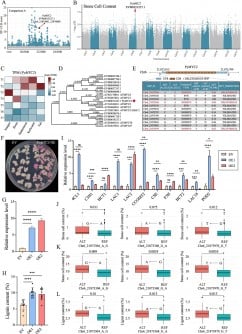
The research also identified the crucial role of the PyMYC2 gene, which is linked to stone cell formation in pears. Overexpression of this gene in pear callus cultures resulted in increased lignin and stone cell content. According to Professor Jun Wu from Nanjing Agricultural University, “This research provides valuable genomic insights into pear domestication, particularly in understanding how deleterious mutations shape agronomic traits.” The identification of PyMYC2 as a regulator of stone cell content represents a significant breakthrough for breeding strategies aimed at enhancing pear texture.
These insights not only broaden the understanding of pear genetics but also offer practical applications for breeding high-quality, resilient varieties. By targeting genes like PyMYC2, breeders can develop new pear cultivars with optimized traits, including improved texture and disease resistance. Furthermore, the findings suggest that modern molecular breeding techniques, particularly genome-wide selection, can mitigate the accumulation of harmful mutations in cultivated varieties, resulting in healthier and more productive pear crops.
Meeting Global Demand and Addressing Climate Challenges
The implications of this research extend beyond academic interest; they address the growing global demand for high-quality pears and the need for improved crop resilience in the context of climate change. As the agricultural landscape evolves, understanding the genetic underpinnings of fruit crops becomes increasingly important for sustainable production.
This study was supported by the National Science Foundation of China and various other funding bodies, underscoring the collaborative efforts in advancing agricultural research. With a commitment to enhancing the quality and adaptability of pears, the findings from this research pave the way for future developments in pear breeding programs.
In summary, the investigation into the genetic variations of pears not only enriches the scientific community’s understanding of fruit domestication but also lays the groundwork for innovative breeding practices. As the industry grapples with the dual challenges of consumer demands and environmental pressures, such insights are crucial for cultivating the next generation of pears.