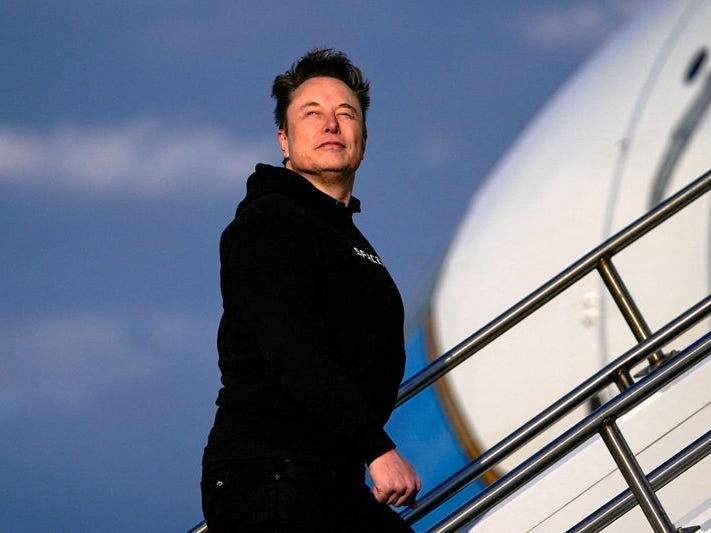
Elon Musk recently revealed that he underwent an MRI and shared the results with his artificial intelligence tool, Grok. During a conversation with podcaster Peter Diamandis, Musk stated that both Grok and his medical professionals found no issues with the scan. This move highlights a growing trend where individuals increasingly turn to AI technologies for health insights.
AI in Health Diagnostics
Musk’s disclosure came during an interview on the “Moonshots” podcast, posted on March 12, 2024. He mentioned, “I did an MRI recently and submitted it to Grok. None of the doctors nor Grok found anything.” While the reason for his MRI remains unclear, Musk’s discussion reflects broader conversations about the intersection of artificial intelligence and health, particularly in relation to longevity and wellness.
The Silicon Valley landscape features numerous tech entrepreneurs, including Sam Altman and Peter Thiel, who are investing heavily in research aimed at combating aging. Notably, Dario Amodei, CEO of Anthropic, previously suggested that AI could potentially double human life expectancy by 2030.
Last week, Musk encouraged others to experiment with Grok by sharing their medical results. He cited a case where a Norwegian man credited Grok with saving his life after the AI prompted him to seek a CT scan, which revealed a serious medical condition that had been overlooked by doctors. “Try it!” Musk tweeted, echoing sentiments he expressed during a February 2025 appearance on Joe Rogan‘s podcast, where he asserted that AI could significantly aid in medical diagnosis.
Perspectives on Longevity
Despite his enthusiasm for longevity advancements, Musk acknowledged that the pursuit of immortality might not be desirable for everyone. He described true immortality or near-immortality as “one of the worst curses you could possibly give anyone.” Yet, he remains optimistic about solving the mysteries of aging, stating, “I’ve long thought that longevity or semi-mortality is an extremely solvable problem.” Musk emphasized the synchronization of the human body’s aging process, suggesting that addressing it could be straightforward.
During the podcast, Diamandis proposed a collaboration with Fountain Life, a longevity-focused company he co-founded. Fountain Life provides members with access to “AI-guided diagnostics” that assess various health biomarkers. According to co-founder William Kapp, the goal of this innovative approach is to “not die of anything stupid.” Diamandis elaborated on the extensive data collection involved, stating, “We do a 200 gigabyte upload of you, everything knowable about you, full genome, all imaging, everything.” His comments reflect a proactive stance on health management, a sentiment underscored by the late Steve Jobs‘ regret over delaying treatment for pancreatic cancer.
Musk’s engagement with AI in health diagnostics opens up conversations about the future of medicine and the role technology will play in personal health management. As AI continues to evolve, its potential to influence health outcomes and longevity remains a topic of keen interest within both the tech and medical communities.