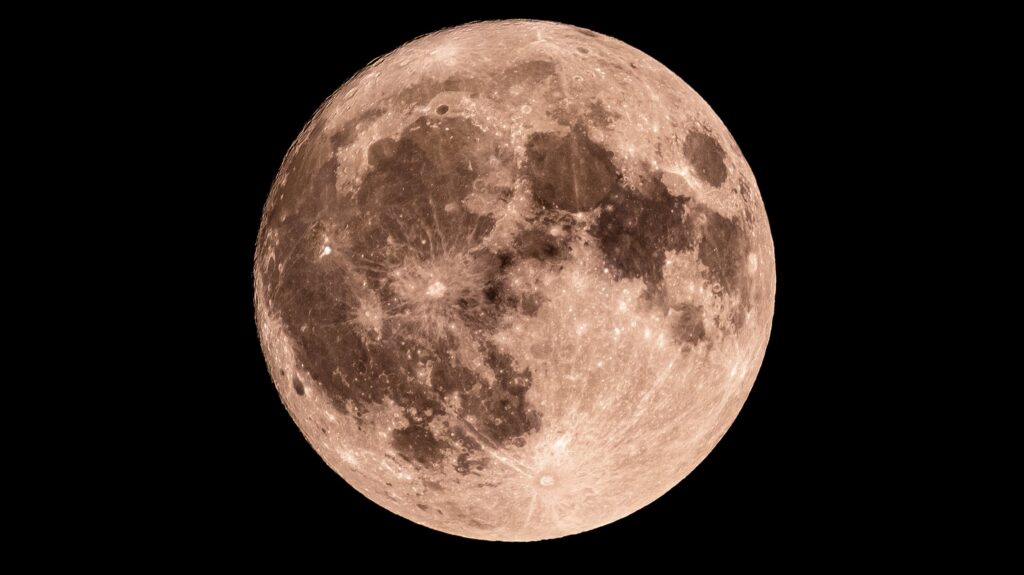
On January 17, 2024, the Moon will be in its Waning Crescent phase, with approximately 2% of its surface illuminated. As the lunar cycle approaches the New Moon, the visibility of the Moon is significantly reduced, making it nearly invisible to the naked eye. While some light is detectable, most observers will find it difficult to discern the Moon in the night sky.
Understanding the Lunar Cycle
The lunar cycle is a fascinating phenomenon that lasts about 29.5 days, according to NASA’s Daily Moon Guide. This duration represents the time it takes for the Moon to complete one full orbit around Earth. Throughout this cycle, the Moon transitions through eight distinct phases, each characterized by varying amounts of sunlight illuminating its surface.
The phases include:
– **New Moon**: The Moon is positioned between Earth and the Sun, rendering it invisible from our perspective.
– **Waxing Crescent**: A small sliver of light becomes visible on the right side of the Moon (for observers in the Northern Hemisphere).
– **First Quarter**: Half of the Moon’s surface is illuminated on the right side, appearing as a half-Moon.
– **Waxing Gibbous**: More than half of the Moon is lit but it is not yet full.
– **Full Moon**: The entire face of the Moon is illuminated, making it fully visible.
– **Waning Gibbous**: The illuminated portion begins to decrease on the right side.
– **Third Quarter (or Last Quarter)**: Another half-Moon, but this time the left side is illuminated.
– **Waning Crescent**: A thin sliver of light remains on the left side before the Moon returns to darkness.
Upcoming Lunar Events
Following the Waning Crescent phase, the next significant lunar event will be the Full Moon on February 1, 2024. The previous Full Moon occurred on January 3, 2024, marking a notable point in the lunar calendar. Observers and enthusiasts often look forward to these phases not only for their beauty but also for their cultural significance and the inspiration they provide for various activities, including astronomy and photography.
As people continue to explore the night sky, understanding the lunar phases enhances their appreciation of this celestial body. Whether for scientific study or simply for enjoyment, the Moon remains a source of fascination and wonder.