Capturing dazzling images of the night sky requires not just skill but also a well-maintained camera lens. Dust, smudges, and fingerprints can quickly mar the clarity of your photos, leading to disappointing results even with the best equipment for astrophotography. To ensure your lens remains in top condition, it is essential to follow proper cleaning techniques. This guide outlines effective methods and tools for safely cleaning your camera lens without causing scratches or damage.
Essential Tools for Lens Cleaning
The first step in maintaining your lens is to utilize an air puffer. This tool, often referred to as a blower, is effective for removing loose dust and debris without direct contact with the lens surface. By minimizing physical contact, you significantly reduce the risk of scratches. Many air puffers include a brush attachment, which can help sweep away dust from the glass. When using an air puffer, hold the lens at an angle to encourage dust to fall away naturally. Short, controlled bursts of air should be used to dislodge any particles.
For those seeking portable options, the Giottos Rocket Air Blaster and the VSGO Air Blower are highly recommended due to their compact designs, making them ideal for travel photography.
If an air puffer does not fully remove dust, a lens brush is the next best option. Specifically designed brushes feature ultrasoft bristles that can gently lift dust without scratching the lens. Opt for brushes with natural bristles, as they tend to be more effective at picking up fine particles. Retractable brushes are advantageous, as they keep the bristles clean when not in use. A good choice is the LensPen NLP-1, which includes both a retractable brush and a cleaning tip, or the Koolehaoda Soft Lens Brush, made from natural goat hair for gentle cleaning.
Cleaning Techniques for Optimal Results
For stubborn smudges such as oils or fingerprints, a lens cleaning solution paired with a microfiber cloth or lens cleaning tissue is recommended. Choose an alcohol-free formula to avoid damaging protective coatings on the lens. An ammonia-free solution is also advisable, as harsh chemicals can degrade lens coatings over time. For convenience, premoistened wipes can be effective, provided they are kept airtight to maintain moisture.
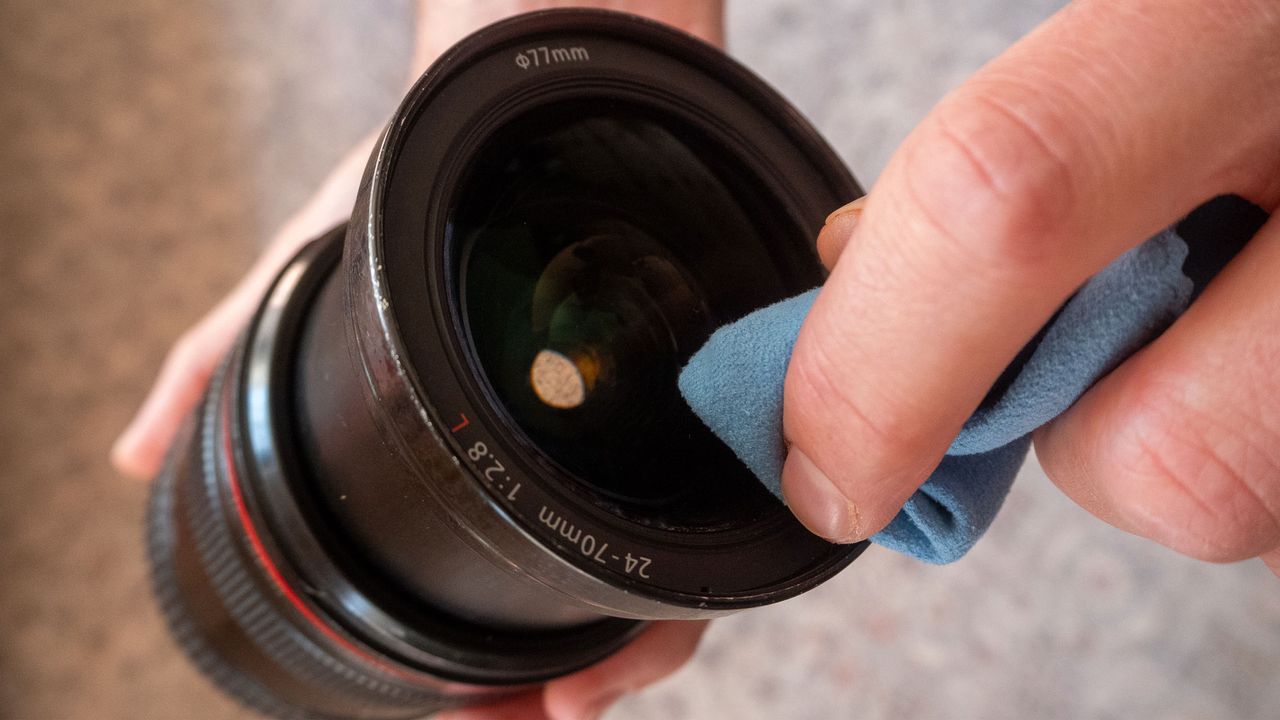
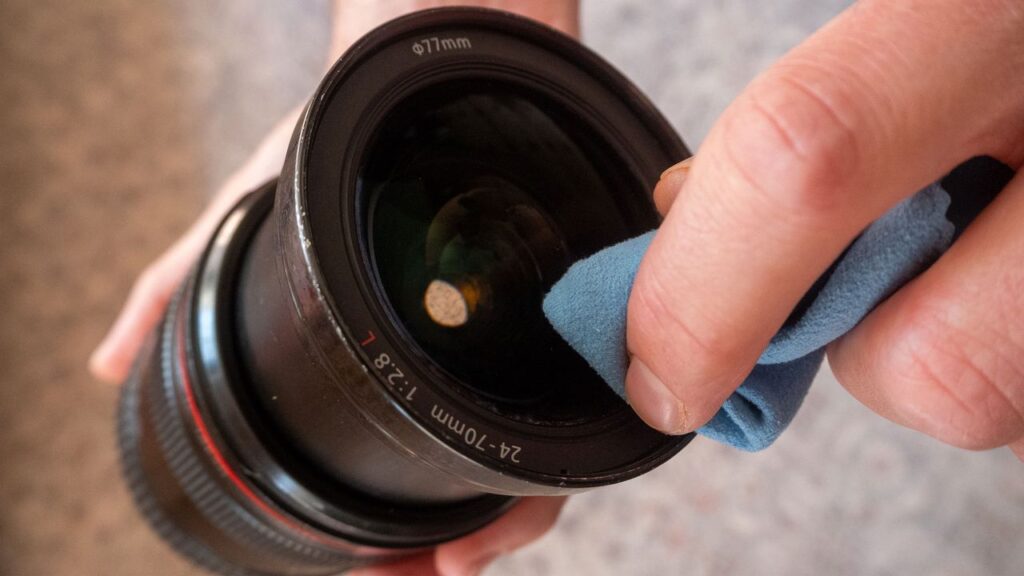
To clean your lens, apply a few drops of the cleaning solution to a microfiber cloth, never directly onto the lens surface. Use gentle, circular motions starting from the center and working outward to avoid excess moisture, which can seep into the lens housing. Following this, use a dry section of the cloth to eliminate any remaining streaks. For quality assurance, consider reputable brands such as Zeiss and Eclipse Optic Cleaning Fluid, both recognized for their high-quality lenses and cleaning products.
While the front glass element is the primary focus of cleaning, the rear lens element and other parts of the lens should not be neglected. Regularly clean both the front and rear elements to prevent dust accumulation. Use lens caps when the camera is not in use to minimize dirt exposure. For the lens barrel and focus rings, a dry microfiber cloth is sufficient, avoiding any cleaning solutions that could damage electronic components.
For those facing persistent issues—such as smudges that won’t come off or internal dust—professional cleaning may be necessary. Many reputable services specialize in deep-cleaning camera lenses. KEH Camera is a notable choice, offering comprehensive maintenance packages, while Lensrentals.com also provides valuable advice on camera care.
In summary, maintaining a clean camera lens is a vital task for any photographer, particularly those interested in astrophotography. By using an air puffer, soft brushes, and safe cleaning solutions, photographers can prolong the life of their equipment and ensure high-quality images. For optimal results, consider professional cleaning services to address any challenging issues. Regular upkeep will help keep your lens in excellent working condition, ready for the next stunning night sky capture.