Amateur astronomer James Provost has developed a cost-effective DIY amplifying eyepiece, enabling budget-conscious stargazers to view deep-sky objects like nebulae and galaxies more clearly. Traditionally, those interested in astronomy have faced limited options: they could either observe these celestial wonders with the naked eye, resulting in faint images, or rely on expensive astrocameras for long-exposure photography. Provost’s innovation aims to enhance the stargazing experience without the hefty price tag often associated with commercial products.
The advent of this DIY eyepiece stems from Provost’s desire to improve public astronomy nights in his community. He recognized that existing stand-alone telescope eyepieces with active light amplification typically cost hundreds to thousands of dollars, making them inaccessible for many. Thus, he turned to an unexpected source for inspiration—the security camera industry, which has developed technology capable of capturing high-quality images in low-light conditions.
Leveraging Security Technology for Astronomy
Provost’s solution utilizes an Analog High Definition (AHD) transmission standard, which allows for the connection of new cameras to existing long cable runs while maintaining image quality. He selected a camera module featuring a 2-megapixel Sony IMX307 sensor paired with an NVP2441 chipset. This combination supports a feature known as Starlight or Sens-Up mode, enhancing the camera’s sensitivity to light beyond the capabilities of the human eye.
The process includes integrating approximately 1.2 seconds of exposure time on the sensor, which, while potentially causing choppy footage for security applications, proves effective for observing astronomical objects. Notably, this capability, which allows for longer exposures, is often overlooked in product specifications for CCTV cameras, complicating the search for a suitable module. After multiple attempts, Provost successfully identified a camera that met his criteria.
The camera output connects to a digital viewfinder that displays live video and control menus, navigated through a joystick. A capture card converts the analog signal to digital, enabling users to view and save images on a smartphone. The system can operate independently using battery power or via a USB connection.
Testing the DIY Eyepiece
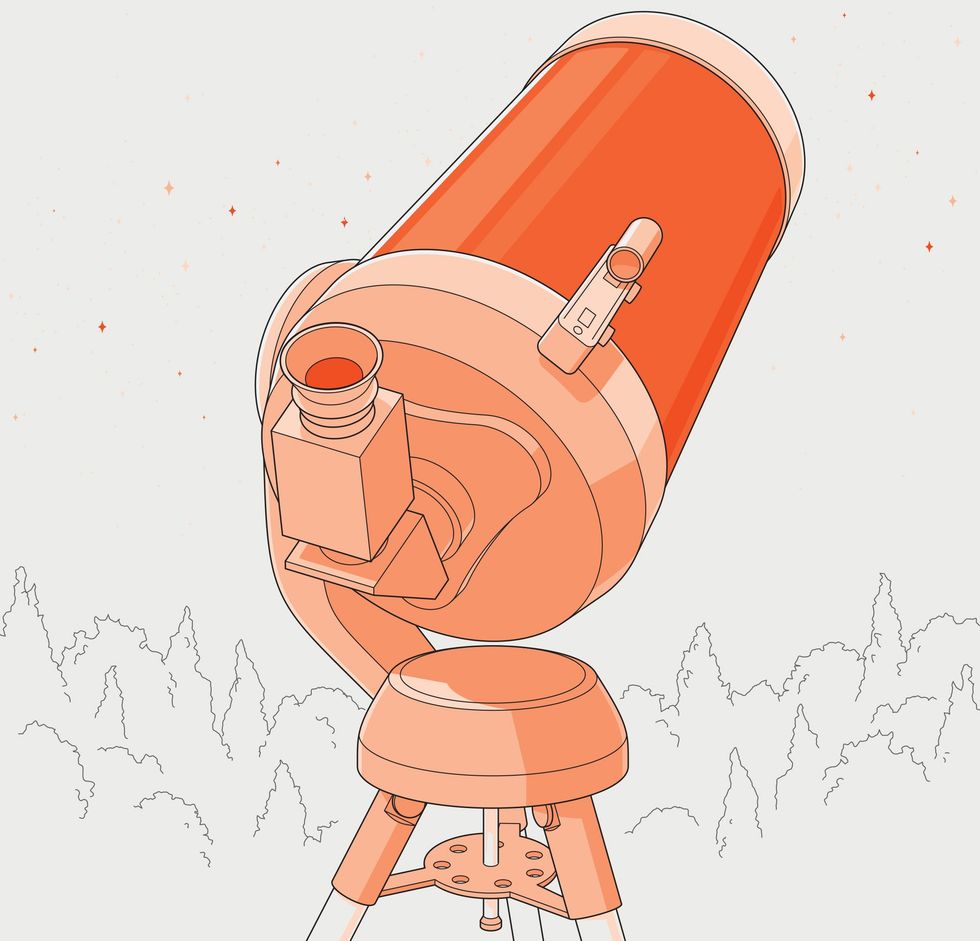
For testing, Provost paired his amplifying eyepiece with a Celestron C11 telescope. He quickly observed the Dumbbell Nebula, also referred to as Messier 27, a celestial body typically challenging to view. The nebula appeared significantly brighter through the DIY setup compared to a naked-eye observation, marking a notable enhancement in visibility, albeit not as pronounced as with high-end commercial systems.
Despite the differences, the performance of Provost’s eyepiece represented a substantial improvement over traditional methods, accomplished at a fraction of the cost—less than USD 250. The device’s versatility allows it to function as a night-vision camera when detached from the telescope, offering additional utility for outdoor activities in low-light settings.
Through this innovative project, James Provost not only enhances accessibility to astronomical observations but also showcases the potential of repurposing technology for new applications. His DIY amplifying eyepiece stands as a testament to resourcefulness in the amateur astronomy community, enabling more enthusiasts to explore the wonders of the night sky without breaking the bank.