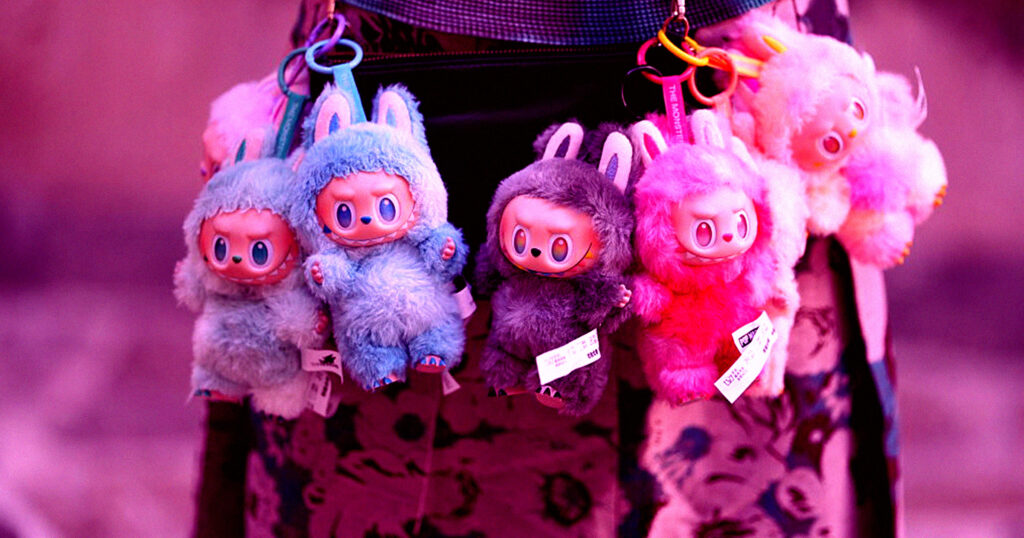
The surge in popularity of Labubus, small plush toys resembling whimsical creatures, has prompted significant concerns regarding labor practices in their production. According to a report by the labor rights organization China Labor Watch (CLW), allegations have emerged that the toys’ manufacturer, Pop Mart, employs underage workers in conditions that violate Chinese labor laws.
The investigation by CLW revealed that the factory in Jiangxi province, which employs over 4,500 workers, employs 16- and 17-year-olds without providing them necessary labor protections. The organization stated that these young workers lack adequate health and safety training, further exacerbating their vulnerability in a demanding work environment.
During a visit to the factory last year, CLW representatives conducted on-site interviews and reviewed documents, identifying multiple labor rights violations. They reported a lack of a labor union or effective grievance mechanism, alongside disturbing accounts of bullying by management and verbal sexual harassment. Additionally, many of the underage workers reportedly did not comprehend the contracts they signed and were unclear about their legal status.
CLW has publicly urged Shunjia Toys, the Original Equipment Manufacturer that operates the factory, to take immediate action to improve conditions. They called for fair compensation for workers and compliance with both Chinese labor laws and internationally recognized labor standards.
Allegations of labor rights violations are not uncommon among Chinese manufacturers, with numerous companies facing accusations of child labor and forced labor, particularly in regions like Xinjiang where ethnic minorities such as the Uyghurs have been disproportionately affected.
In stark contrast to these troubling revelations, Pop Mart has experienced a remarkable financial boom due to the Labubu phenomenon. The company’s revenue from plush products increased by over 1,200 percent last year, contributing significantly to their projected revenue target of more than $4 billion for 2025.
As collectors and enthusiasts revel in their acquisitions, the underlying issues surrounding the production of these toys raise critical ethical questions. The success of Labubus may come at a steep humanitarian cost, prompting consumers to consider the realities of the supply chain behind their cherished collectibles.
Despite multiple requests for comment, neither Shunjia Toys nor Pop Mart has responded to inquiries from major media outlets, including The Guardian and the BBC. As the story unfolds, it remains to be seen how these allegations will impact consumer perceptions and the broader discourse on labor rights in China.