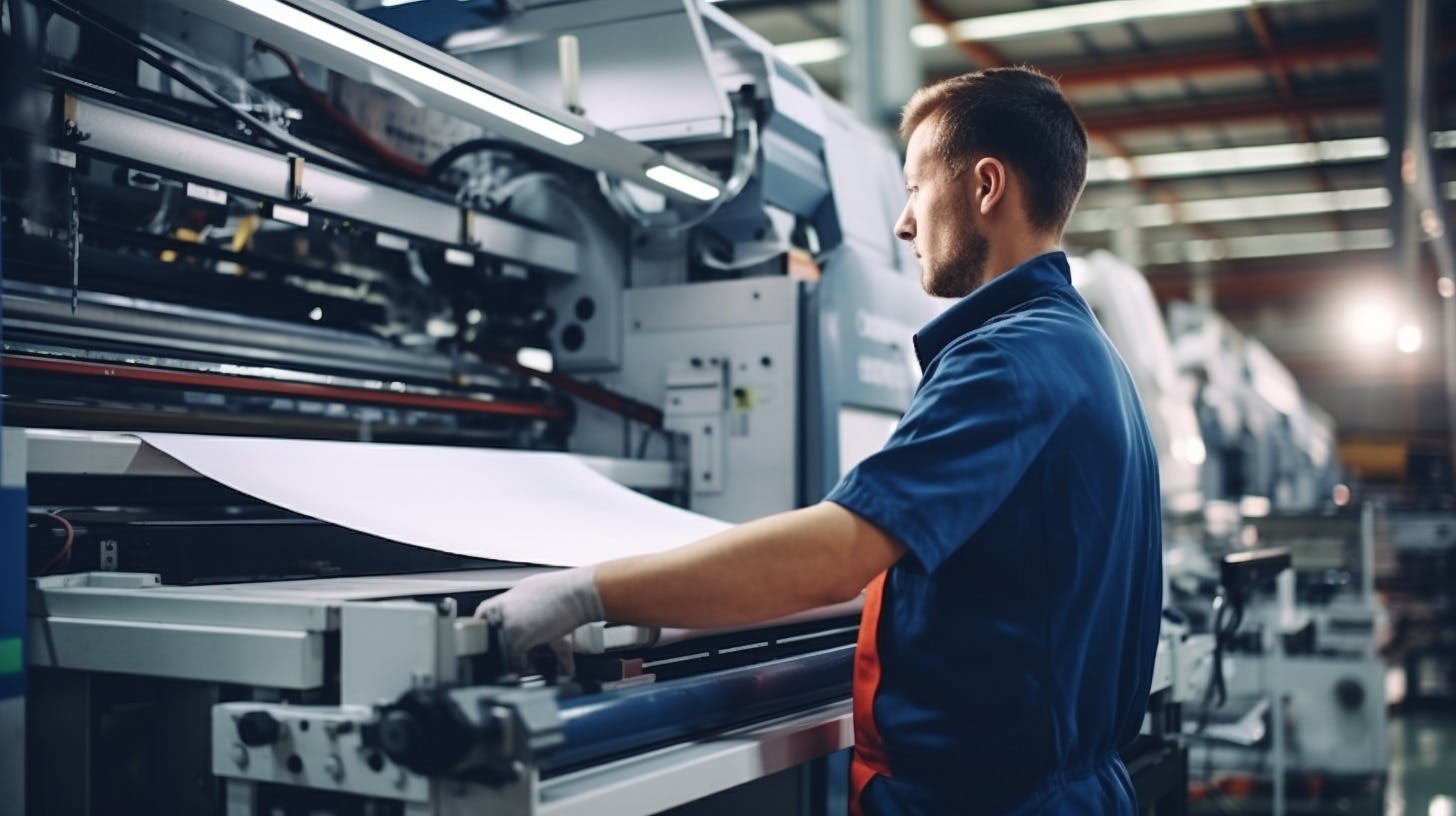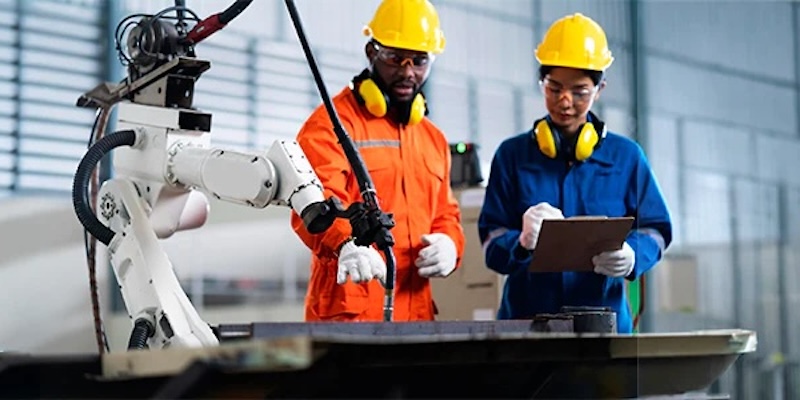
The tile manufacturing industry is undergoing a significant transformation, driven by the adoption of artificial intelligence (AI) and automation technologies. This shift is not only enhancing production efficiency but also improving product quality, thereby reshaping the competitive landscape of the sector.
AI applications in tile manufacturing extend across various processes, including design, production, and quality control. For example, companies are leveraging machine learning algorithms to analyze consumer trends and preferences, allowing manufacturers to create more tailored products. This data-driven approach is helping businesses to stay ahead in a rapidly evolving market.
Efficiency Gains through Automation
Automation is playing a crucial role in modernizing tile production facilities. Robotics are increasingly being integrated into manufacturing lines, enabling faster and more precise handling of materials. According to industry reports, companies that have implemented automation technologies have reported a reduction in production costs by up to 30%.
In addition, automated systems can operate continuously, which significantly increases output. This is particularly vital in meeting the growing global demand for tiles, projected to reach a market value of $1.2 billion by the end of 2024. The ability to respond quickly to market demands while maintaining high quality is essential for manufacturers looking to capture a larger share of this lucrative sector.
Quality Control and Sustainability
The integration of AI also enhances quality control processes. Advanced imaging technology, powered by AI, allows for real-time monitoring of tiles during production. This capability helps to identify defects more efficiently than traditional methods, thus reducing waste and ensuring that only the highest quality products reach consumers.
Sustainability is another area where AI is making a significant impact. Manufacturers are now able to optimize resource usage, minimizing waste and energy consumption throughout the production cycle. As consumers increasingly prioritize eco-friendly options, companies that adopt these technologies are better positioned to meet market expectations.
The convergence of AI and automation is not merely a trend; it represents a fundamental shift in how tile manufacturers operate. As businesses embrace these technologies, they are likely to see improvements in both profitability and customer satisfaction.
In conclusion, the tile manufacturing industry stands at the forefront of technological advancement. The effective integration of artificial intelligence and automation is not only enhancing operational efficiency but also paving the way for sustainable practices and quality improvements. As the market continues to grow, those who adapt to these changes will likely emerge as leaders in the field.