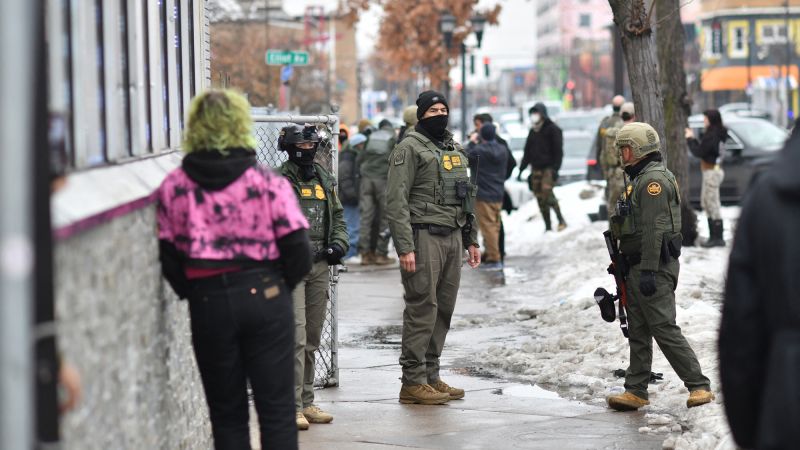
Republican Governor of Virginia, Glenn Youngkin, recently addressed the issue of political rhetoric during an appearance on Fox News Sunday. In light of a shooting incident in Minneapolis, Youngkin urged for a reduction in inflammatory language that can escalate tensions. His comments raise questions about the responsibility of political leaders, particularly the President, in fostering a more constructive dialogue.
Youngkin’s remarks came shortly after a shooting in Minneapolis, where initial reports inaccurately claimed that an officer had been run over. The Governor’s call for calm highlights a broader concern regarding the nature of public discourse, especially from those in positions of power. Critics argue that the most significant contributor to divisive rhetoric is none other than the President himself.
In the aftermath of the Minneapolis shooting, South Dakota Governor Kristi Noem labeled an individual named Renee Good as a “domestic terrorist.” This classification, alongside Youngkin’s comments, underscores the growing concern over how language is used in political contexts. In a similar vein, Utah Governor Spencer Cox emphasized the need to lower the rhetoric following the assassination of political commentator Charlie Kirk.
Youngkin’s suggestion that the President should lead by example resonates with many who feel that the current administration has not done enough to address the tone of political discourse. Critics point to the language often used by former President Donald Trump, including terms like “traitor,” “vermin,” and “scum,” as examples of rhetoric that can incite division rather than promote unity.
The Justice Department’s response to such rhetoric is also under scrutiny. Residents and political observers, including Susan Miller from Spring Township, are calling for accountability and a reassessment of the language used by those in leadership roles. Miller’s letter argues that if political figures wish to see a change in the tone of national dialogue, it must start at the top.
As the nation grapples with rising tensions and increasing incidents of violence, the conversation around political rhetoric becomes more pressing. Youngkin’s appeal for a more measured approach could serve as a pivotal moment for leaders across the political spectrum. The coming weeks may reveal whether these calls for civility will be heeded or if the cycle of heated rhetoric will continue.