The recent arrest of Venezuelan President Nicolás Maduro by US Special Forces during an operation on Venezuelan soil has ignited intense discussions about issues of sovereignty and international law. Maduro faces accusations of leading a transnational criminal organization that has entrenched itself within the state. Critics argue that these charges are merely rhetorical defenses for trafficking organizations operating in Venezuela, but they overlook a more significant reality: the regime initiated by Hugo Chávez in 1999 has morphed Venezuela into a crucial node for destabilizing Western security.
Venezuela’s role as a key player in the logistics network facilitating the shipment of Colombian cocaine to the United States and Europe is intertwined with the activities of the Iranian Revolutionary Guard Corps (IRGC) and Hezbollah. These organizations have established processing facilities in Lebanon, forming part of a broader strategy that extends beyond mere drug trafficking. The implications are profound, as Venezuela has become a platform for Iranian influence, a safe haven for Hezbollah’s operations, and a laboratory for Russian and Chinese strategic engagement in the region.
The convergence of state functions with irregular networks poses a significant threat, as the Venezuelan regime utilizes its sovereign capabilities to support criminal enterprises and foreign actors. This transformation of sovereignty into a service for malign influences has dire consequences for regional security. Reports indicate that the Chavista government has issued hundreds, if not thousands, of passports to individuals from Iran, Syria, and Lebanon affiliated with Hezbollah, enabling them to travel undetected under Venezuelan identities. This tactic has opened pathways for extremists to infiltrate the West.
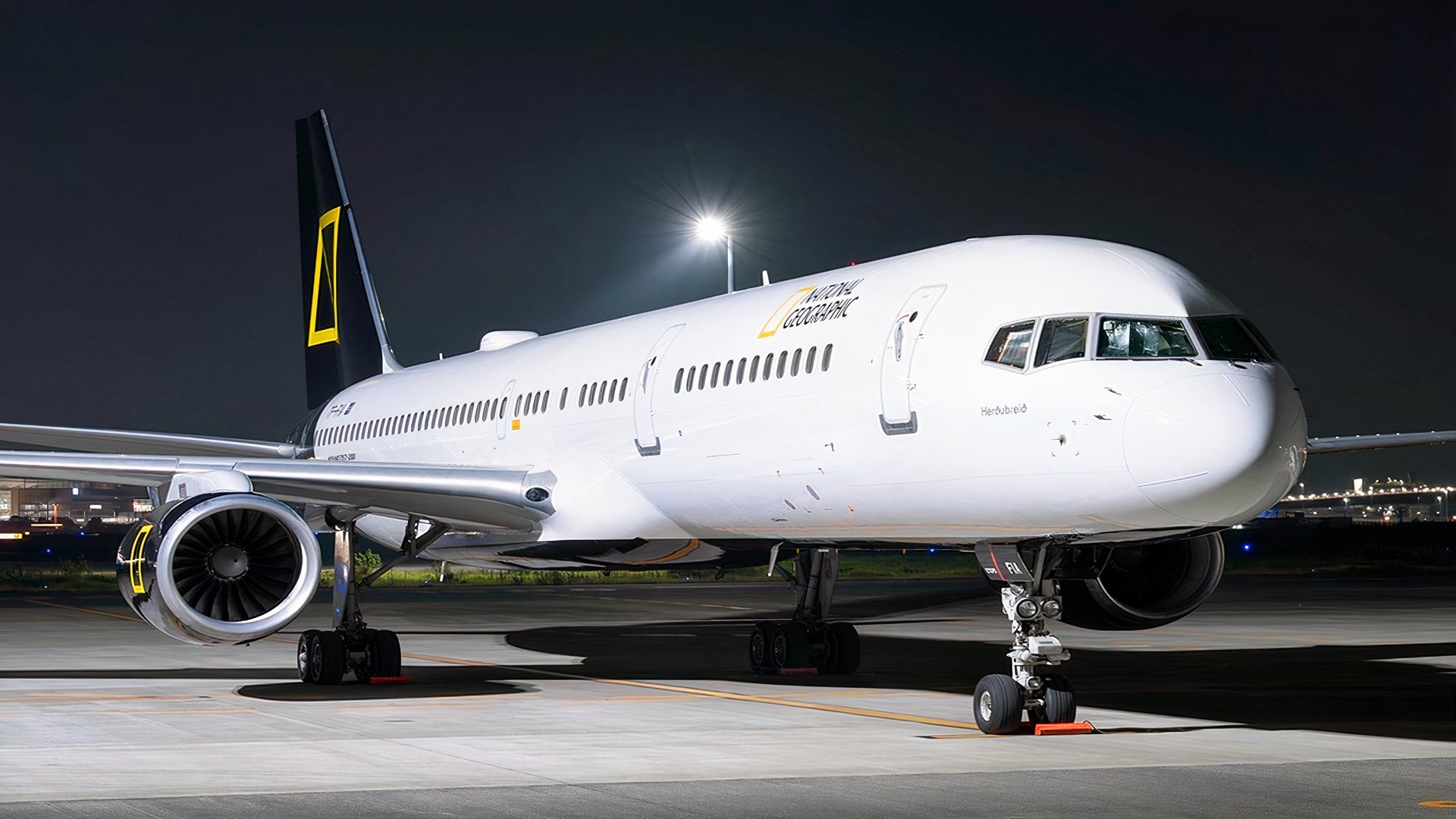
Financial transactions between Caracas and Tehran have been disguised as legitimate business agreements, justifying the flow of millions of dollars. Joint projects were often a cover for transporting cargo and materials, including minerals concealed as equipment. Investigations have suggested that the IRGC and Hezbollah have exploited these aviation routes, referred to among security professionals as “Aeroterror,” for logistical purposes. This network has facilitated the movement of operatives, funds, and sanctioned materials across the region.
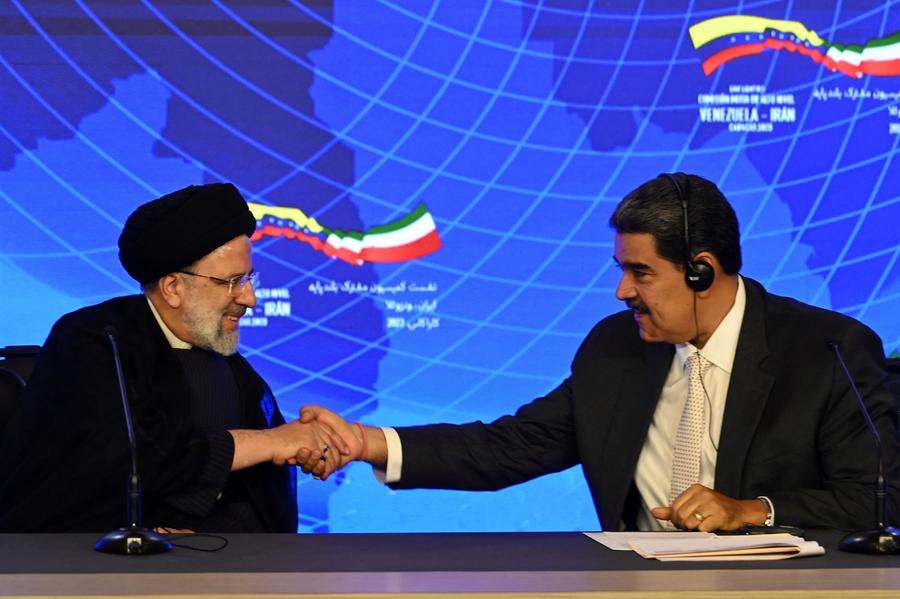
In 2015, insights from former high-ranking members of the Venezuelan government revealed that Hugo Chávez acted as an intermediary for Iran, granting access to sensitive nuclear technology. This cooperation was pivotal in enabling Iran to complete its Bushehr nuclear power plant project, which had been stalled for decades. The deepening ties between Chávez and Iranian President Mahmoud Ahmadinejad significantly advanced Iran’s nuclear ambitions.
The dismantling of Hezbollah’s leadership in Lebanon has increased the strategic value of its Latin American networks. These structures could be activated against Jewish or Israeli targets, reminiscent of the 1994 bombing of the AMIA community center in Buenos Aires and the attack on the Israeli Embassy two years earlier. The Iranian regime has been identified as the strategic architect behind these operations, notably through the proliferation of drones and military cooperation. The United States has explicitly cited the spread of Iranian unmanned aerial vehicles (UAVs) to Venezuela as a threat to its interests in the region.
Russia and China play complementary roles in this complex geopolitical landscape. Russia’s involvement has historically included supplying weapons, air defense systems, and military infrastructure, which bolster the Venezuelan regime’s internal stability and deter external pressures. Since 2006, Venezuela has engaged in numerous arms purchases from Russia, establishing a framework of military cooperation that extends beyond mere exchanges of equipment.
In contrast, China’s engagement has focused on financial support, providing considerable funding through oil-backed agreements. This positions China as a critical creditor and contractor, integrating itself into Venezuela’s economy. The most significant contribution from Beijing may be surveillance technology and data-driven social control systems, enhancing the regime’s ability to monitor and suppress political dissent.
The combined efforts of these nations have transformed Venezuela into a criminalized state and an asymmetric operational base for adversaries of the West. The political implications of this situation are troubling. Viewing Venezuela solely as a humanitarian crisis or a democratic failure overlooks its broader strategic threats to the United States and its allies.
The Trump administration recognized this urgent issue and has sought to address it through pragmatic means, aiming to neutralize the threat without resorting to conventional military intervention. This approach includes efforts to engage with remaining supporters of the Chavista regime in hopes of fostering a more stable environment. The effectiveness and longevity of this strategy remain uncertain.