The United States has imposed new sanctions targeting senior Iranian officials and financial networks linked to the regime. This action responds to the government’s crackdown on ongoing protests and its significant economic mismanagement. Announced by Treasury Secretary Scott Bessent on Thursday, these comprehensive sanctions aim to disrupt funding sources for the Iranian government while supporting its citizens amid escalating unrest.
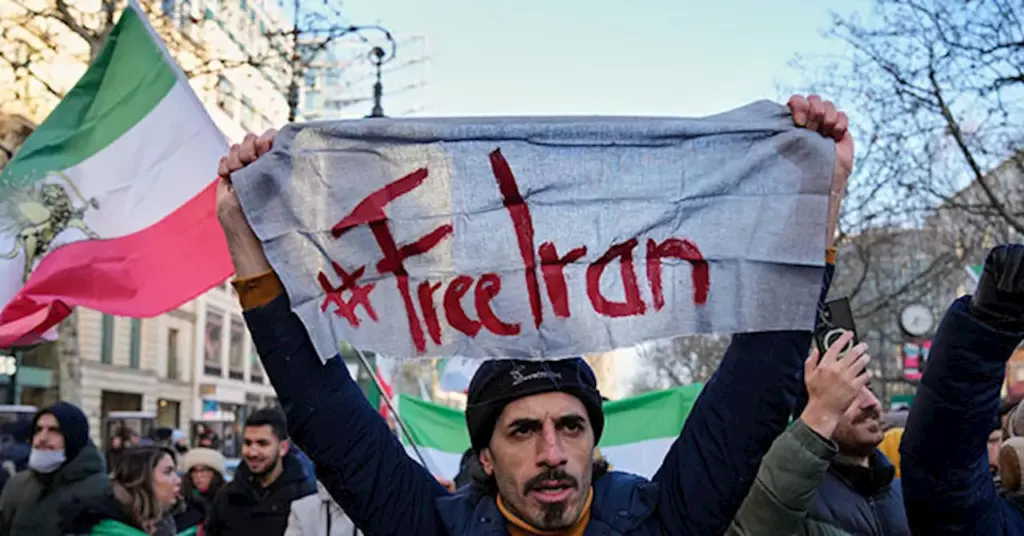
The sanctions come as protests in Iran enter their third week, driven by deep-seated frustrations over economic hardship and political repression. The Iranian regime’s violent response has drawn widespread condemnation and intensified international scrutiny. During a video statement, Secretary Bessent emphasized the administration’s commitment to holding the Iranian government accountable for its actions and reaffirmed support for the Iranian people, who he noted are unable to voice their grievances openly.
The sanctions specifically target influential figures within the regime, including Ali Larijani, the secretary of Iran’s Supreme Council for National Security, and various senior provincial security commanders. The Treasury Department also designated 18 individuals and entities involved in laundering proceeds from Iranian oil and petrochemical sales, asserting that these funds contribute to domestic repression and support for terrorist activities abroad.
Bessent outlined the administration’s strategy to dismantle the regime’s mechanisms for evading sanctions and emphasized the urgency of addressing the dire economic situation in Iran. He cited the freefall of the Iranian currency, rampant hyperinflation, and deteriorating living conditions as critical challenges faced by the Iranian populace. According to Bessent, the regime has mismanaged its oil revenue, diverting funds towards nuclear weapons development and missile programs instead of addressing the needs of its citizens.
In a broader context, the sanctions align with President Donald Trump‘s policy of maximum pressure on Iran. Bessent reiterated the president’s recent announcement of a 25 percent tariff on countries that continue to engage economically with Iran, highlighting the potential consequences for foreign governments and businesses supporting the regime.
Bessent’s message to the Iranian leadership was clear: the U.S. will actively track funds being transferred out of the country and will work to seize these assets. He noted that the Iranian leadership’s attempts to move large sums of money out of the country resemble “rats fleeing a sinking ship.” In response, the U.S. Treasury is prepared to follow the money, regardless of whether it moves through traditional banking systems or digital assets.
As tensions escalate, the U.S. military has begun relocating personnel from key bases in the region, signaling a heightened response to reports of mass killings during the regime’s crackdown. The Iranian government has issued threats of retaliation against American assets should further U.S. actions be taken.
While Secretary Bessent refrained from speculating on the regime’s future, he referenced established red lines set by President Trump. The U.S. sanctions reflect a steadfast commitment to disrupt the financial networks sustaining the Iranian government while expressing solidarity with those protesting for their rights and freedoms.
The comprehensive nature of these sanctions underscores the U.S. determination to address the ongoing crisis in Iran and counter the regime’s destabilizing activities in the region. As the situation evolves, the international community remains vigilant, closely monitoring the developments and their implications for the Iranian populace.