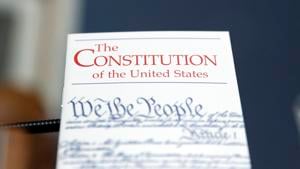
In a recent letter addressed to the editor, the significance of the Constitution’s checks and balances was emphasized in maintaining the integrity of democratic governance. The letter highlights the necessity of these mechanisms to prevent the concentration of power and protect the rights of citizens.
Understanding Checks and Balances
The Constitution was designed with a system of checks and balances to ensure that power is distributed among three branches of government: the Legislative, Executive, and Judicial branches. Each branch has distinct responsibilities and the ability to limit the powers of the others. This framework is crucial for preventing any single entity from gaining excessive control.
As outlined in the letter, the checks and balances serve as a safeguard against potential abuses of power. By requiring cooperation and compromise among the branches, the Constitution fosters a system where decisions undergo thorough scrutiny. Such a structure is vital in upholding democratic principles and safeguarding individual rights.
The Role of Citizens in Democracy
Citizens play a critical role in ensuring that these constitutional principles are upheld. Engaged and informed citizens can hold their government accountable, promoting transparency and responsiveness. The letter calls for a vigilant public that recognizes the importance of these checks in their daily lives and advocates for their preservation.
Furthermore, as discussed in the letter, the erosion of these checks can lead to detrimental consequences for democracy. When power becomes centralized, the rights and freedoms of individuals may be jeopardized. The Constitution’s design aims to prevent such scenarios by distributing authority and ensuring that no branch operates unchecked.
The letter urges readers to reflect on the importance of these constitutional safeguards. It serves as a reminder that the health of a democracy relies on the continuous enforcement of its foundational principles. Upholding the Constitution is not solely the responsibility of lawmakers; it requires an active and informed citizenry committed to maintaining the balance of power.
In conclusion, the letter emphasizes that the Constitution’s checks and balances are not just legal formalities but essential components that protect democracy and individual rights. As citizens, it is paramount to understand and advocate for these principles, ensuring that the democratic system remains robust and resilient.