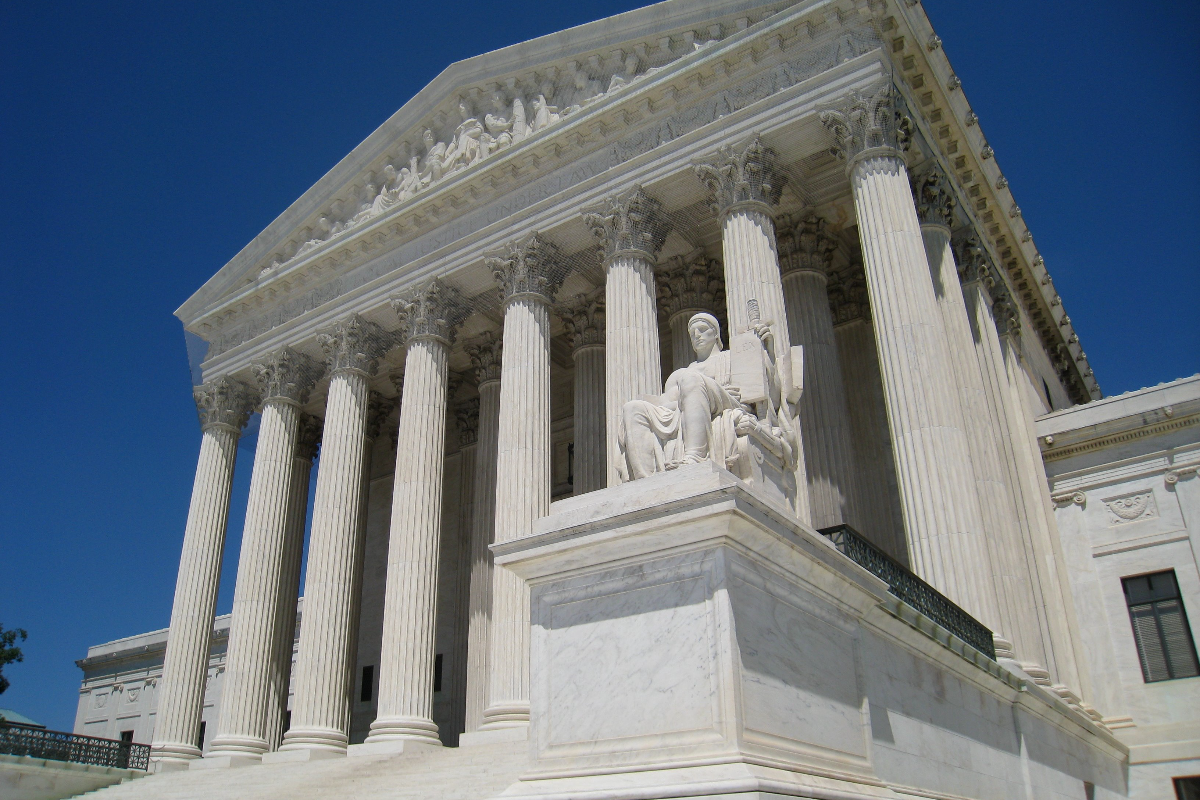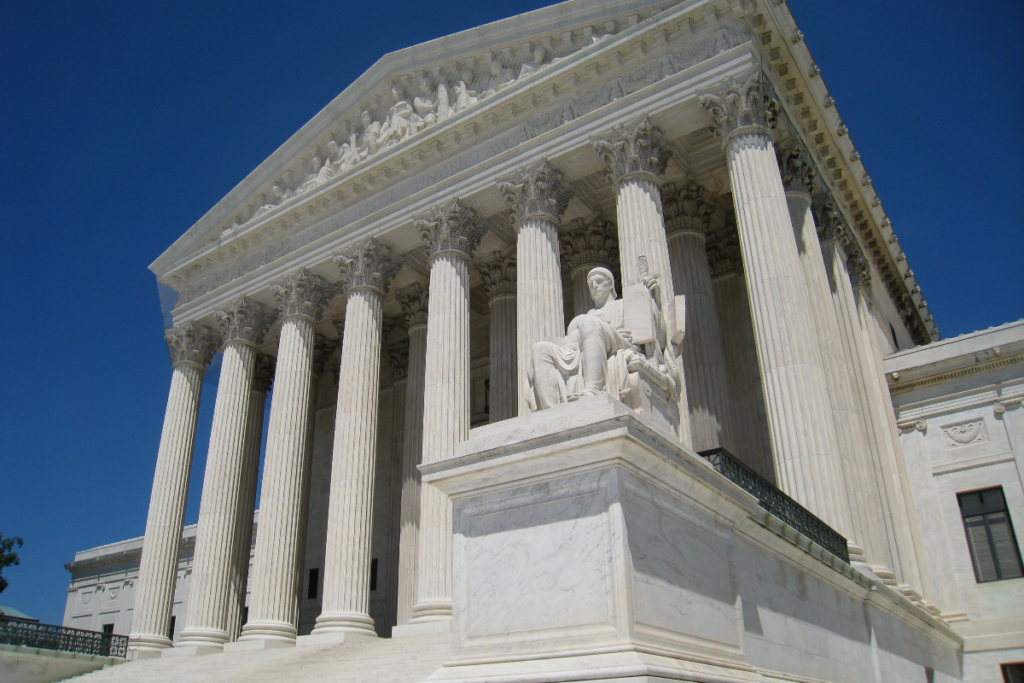
The U.S. Supreme Court has declined to review a challenge to Maryland’s gun disqualification law, effectively upholding a ruling by the Maryland Supreme Court that prohibits individuals sentenced to two years or more from possessing firearms. This decision directly impacts Robert L. Fooks, whose legal battle regarding this law has now reached a conclusion, at least temporarily.
On March 25, 2026, the Supreme Court denied Fooks’ petition for a writ of certiorari, a formal request for judicial review. The order, issued without comment, brings an end to Fooks’ federal appeal after a protracted fight in state courts. His petition was initially filed in September 2025, and the State of Maryland submitted its response in January 2026.
Background of the Case and Maryland’s Gun Law
The Maryland Supreme Court’s opinion, delivered on June 6, 2025, noted that the state’s law, found under Public Safety §5-133(b)(2), functions similarly to a prohibition on firearm possession for felons. Chief Judge Matthew Fader affirmed that this statute meets the scrutiny required by the Second Amendment. He explained that certain common law convictions, resulting in significant prison terms, are treated as equivalent to felonies regarding gun dispossession.
Fooks became embroiled in legal issues after police in Fruitland seized firearms linked to him during an investigation involving approximately 13 stolen guns. In 2016, he had been convicted of constructive criminal contempt related to unpaid child support and received a sentence of four years and six months. Subsequently, he accepted a conditional guilty plea for two counts of illegal possession while maintaining his challenge to the Second Amendment.
Dissenting Opinions and Broader Implications
Justice Jonathan Biran dissented from the majority opinion, expressing concerns about the potential for historical laws to disarm citizens who do not pose a public safety threat. He warned that the majority’s reasoning could lead to broad disqualifications based solely on statutory maximum sentences. His critique, alongside the majority’s comprehensive historical analysis under the frameworks established by the Supreme Court in the Bruen and Rahimi cases, is documented in the Maryland Supreme Court’s ruling.
The court’s decision reflects an ongoing debate regarding the application of the Bruen framework, particularly in how closely modern regulations must align with historical precedents. The Maryland ruling adds to the discourse surrounding Second Amendment rights and public safety, especially as lower courts continue to grapple with these issues.
For Maryland residents, the ruling maintains the existing list of disqualifying categories under Public Safety §5-133, which includes restrictions on gun possession for anyone convicted of a common law crime with a prison term exceeding two years. Changes to this law would require either a new court ruling, a Supreme Court review, or legislative action from the Maryland General Assembly.
While the Supreme Court’s denial concludes this specific chapter for Fooks, it does not resolve the broader conversation about the balance between public safety and constitutional rights. Legal advocates, litigants, and legislators in Maryland are likely to persist in examining these critical questions in both courtrooms and legislative sessions.