President Donald Trump has initiated military strikes against Iran, marking one of the most significant foreign policy decisions of his presidency and evoking comparisons to former President George W. Bush’s controversial Iraq War. While the latter was preceded by extensive public discourse and justifications, the rationale behind this new conflict appears vague, raising questions about the U.S. administration’s strategic preparedness.
Amidst the unfolding situation, little clarity has emerged regarding the specific objectives of these military actions. As of February 28, 2026, Trump had not articulated a comprehensive strategy, and subsequent statements from his administration have been inconsistent. This lack of clear communication has raised serious concerns about the potential ramifications of the conflict for both American servicemembers and broader geopolitical stability.
Conflicting Messages from the Administration
Public statements from the administration have done little to alleviate concerns. Initially, Trump suggested that the airstrikes aimed to promote freedom for the Iranian people, reminiscent of past claims that American forces would be welcomed in Iraq. However, on Monday, Secretary of Defense Pete Hegseth characterized the conflict as a measure to “permanently cripple Iran’s ability to menace American and allied interests.” This contradiction raises critical questions about the true motivations behind the military action.
Hegseth also referenced the U.S. and Israel’s role in preventing Iran from developing nuclear capabilities, despite earlier assertions from the Trump administration that this threat had already been neutralized. The conflicting narratives only heighten public uncertainty regarding the justification for military involvement.
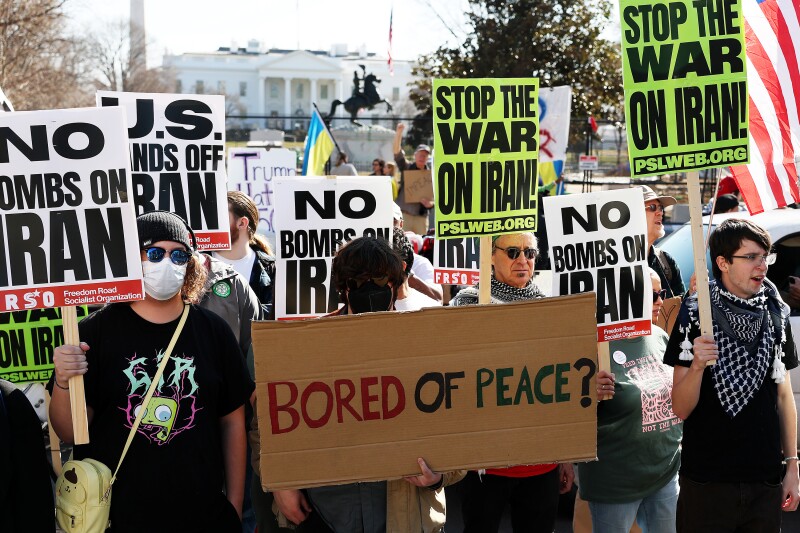
The importance of a clear purpose cannot be overstated. As military operations continue, the American public deserves a straightforward explanation of why their servicemembers are engaged in combat and what the administration hopes to achieve. Without this clarity, skepticism will likely grow, mirroring sentiments surrounding past conflicts in Iraq and Afghanistan.
The Historical Context and Future Implications
The airstrikes represent a culmination of nearly five decades of escalating tensions between the United States and the Islamic Republic of Iran. Yet, the timing and intent behind “Operation Epic Fury” remain unclear. Questions surrounding the administration’s objectives could lead to a prolonged and costly commitment, a scenario that many fear could echo previous military engagements.
Trump’s shift from a platform advocating for peace and against the Iraq War raises further inquiries. How did the administration arrive at this decision, and what has changed in its approach to foreign policy? Without a coherent justification, the risk of repeating the mistakes of the past looms large. As the situation develops, the necessity for transparency from the U.S. government has never been more critical.
This editorial reflects the views of the Pittsburgh Post-Gazette Editorial Board. For feedback, please contact [email protected].