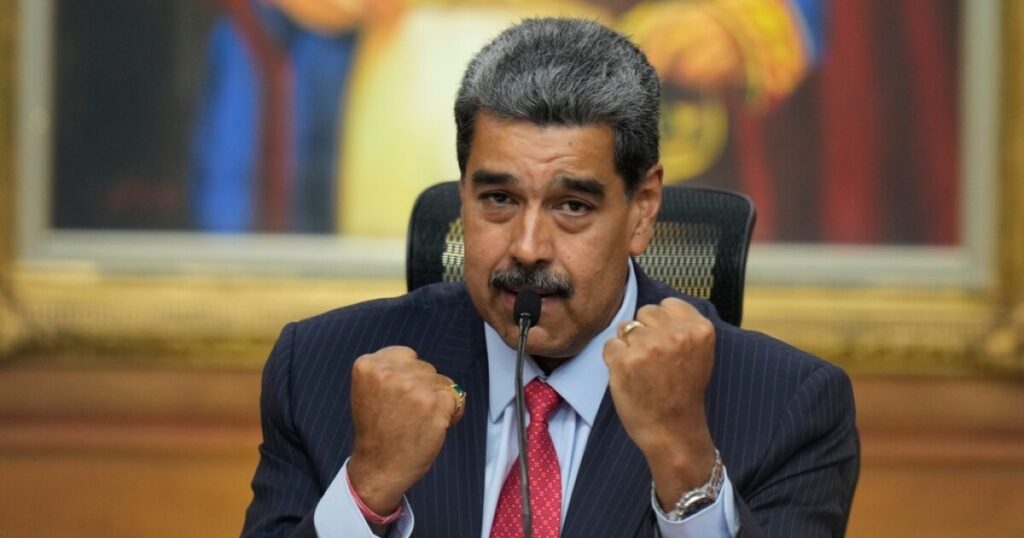
The recent capture of Venezuelan leader Nicolas Maduro by U.S. military forces has ignited a complex global dialogue about the future of Venezuela and its government. Maduro is set to appear in court on March 11, 2024, in New York City, facing serious charges including narco-terrorism, cocaine trafficking, and illegal possession of firearms. This operation, which took place over the weekend, has raised numerous questions among U.S. lawmakers about the implications for both Venezuela and American interests.
In a joint statement, U.S. Attorney General Pam Bondi emphasized that the mission to apprehend Maduro required “months of coordination, detailed planning, and seamless execution” involving multiple federal agencies. Bondi noted, “The mission was conducted to support an ongoing criminal prosecution tied to large-scale narcotics trafficking and related offenses that have fueled violence, destabilized the region, and contributed directly to the drug crisis claiming American lives.”
President Donald Trump announced Maduro’s capture on Saturday morning, framing it as a significant step in addressing Venezuela’s ongoing crisis. Venezuelan Vice President Delcy Rodriguez, who is currently acting as president, condemned the operation as “barbaric” and demanded Maduro’s immediate release. Trump issued a warning to Rodriguez, stating in an interview with The Atlantic, “If she doesn’t do what’s right, she is going to pay a very big price, probably bigger than Maduro.”
Concerns regarding the U.S. involvement in Venezuela have been voiced by Democratic lawmakers, particularly regarding Trump’s assertion that the United States would “run” Venezuela temporarily. Questions have emerged about the potential costs to American taxpayers and the prospect of a prolonged military presence in the country. In response, Secretary of State Marco Rubio defended the operation but clarified that the U.S. is not at war with Venezuela, refuting claims of an intention to take over the nation.
Rubio expressed his expectations for “changes in Venezuela,” emphasizing that the U.S. involvement is geared toward its national interests. “We’d love to see all kinds of changes. But the most immediate changes are the ones that are in the national interest of the United States,” he stated during a weekend interview.
As the U.S. Congress reconvenes this week, Rubio and Defense Secretary Pete Hegseth are scheduled to provide a classified briefing on the operation to lawmakers. The implications of Maduro’s capture are likely to be a focal point of discussion, as both U.S. officials and international observers scrutinize the potential impact on Venezuela’s political landscape and stability.
With the legal proceedings against Maduro underway, the global community watches closely, anticipating how this development will influence the ongoing challenges facing Venezuela and the broader implications for U.S. foreign policy in the region.