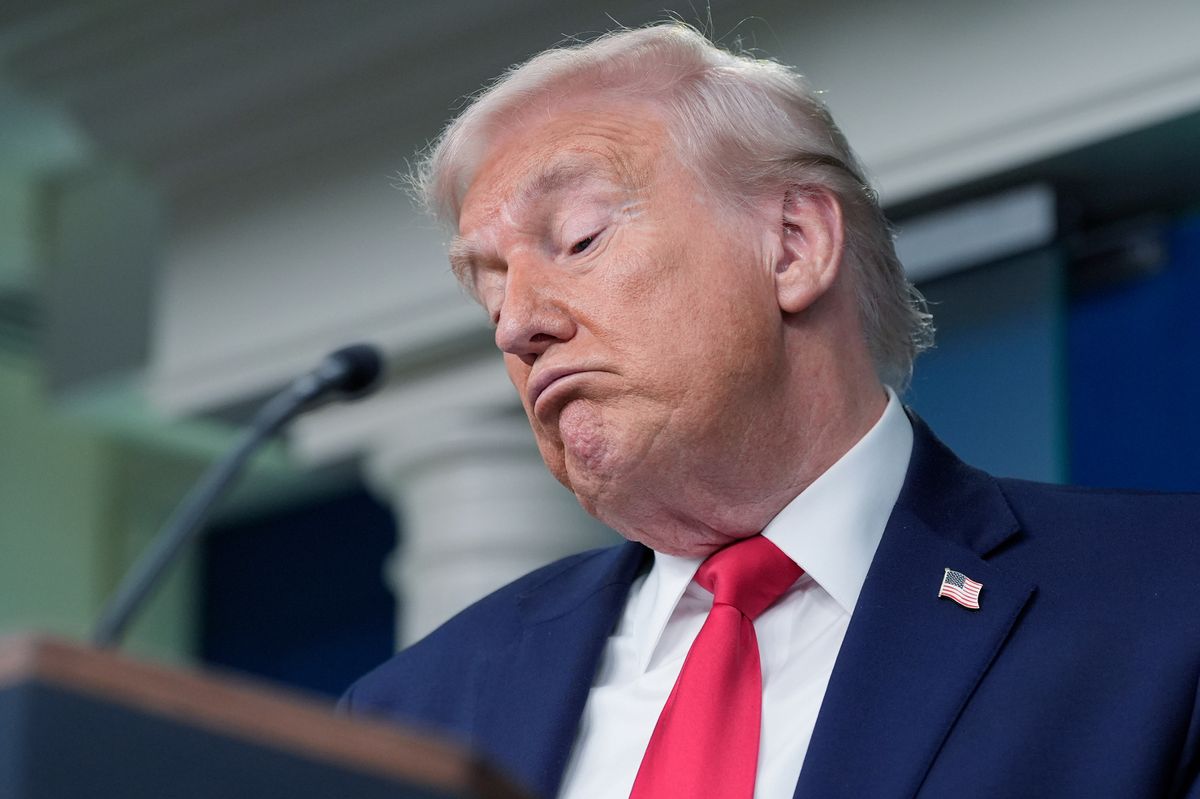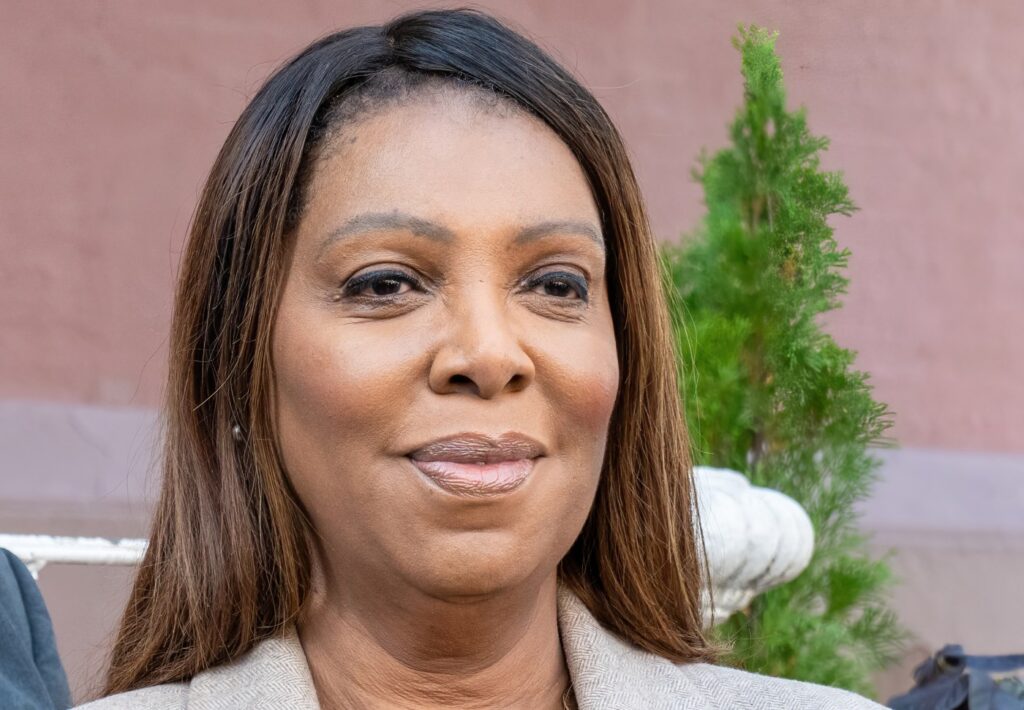
The legal battle surrounding former President Donald Trump has taken another turn as a federal grand jury in Virginia declined to indict Tish James, the New York Attorney General. This decision, described as a “no true bill,” came in response to accusations of mortgage fraud that critics have labeled as politically motivated. The case was previously dismissed following the disqualification of Lindsay Halligan, the appointed U.S. Attorney whose qualifications were questioned.
The Justice Department has indicated that this dismissal does not signify the end of investigations related to the case. While the principle of double jeopardy typically applies, the case never reached trial, which complicates matters. Legal analysts argue that repeated attempts to prosecute individuals based on unsubstantiated claims undermine the integrity of the justice system and reflect a broader campaign of intimidation aimed at Trump’s perceived adversaries.
Challenges for Trump’s Legal Team
The current landscape appears challenging for Trump’s legal representatives. Federal Judge Pam Bondi has suggested that John Sarcone, who has been acting as the U.S. attorney in Albany, may also face disqualification due to his lack of Senate confirmation and the necessary judicial approval. Sarcone’s attempts to issue subpoenas against James for her legal actions against Trump and the National Rifle Association have drawn scrutiny. James has successfully pursued civil suits against these entities, actions that many consider well-founded and legally sound.
Despite these setbacks, there remains a possibility that the administration will continue its pursuit of legal action against James. Notably, Alina Habba, the U.S. Attorney from New Jersey and a former personal attorney to Trump, has not filed any charges against James. This absence of action has prevented the White House from facing additional failures in its attempts to challenge the Attorney General’s authority.
Concerns Over Justice System Integrity
The ongoing situation raises significant concerns regarding the appropriate use of prosecutorial power. Historically, federal prosecutors have required Senate confirmation or local judicial approval to ensure accountability and adherence to legal standards. The current administration, however, appears to bypass these norms, raising alarms about the potential erosion of the rule of law in the United States.
The implications of weaponizing governmental powers against political opponents echo practices seen in authoritarian regimes. Analysts warn that if left unchecked, these actions could diminish the public’s trust in the justice system and, by extension, the government’s legitimacy. Experts emphasize the importance of the judiciary and legislative branches in reasserting their checks on executive power, especially regarding appointments and oversight.
In light of these developments, Congress holds the responsibility to act. Lawmakers have the authority to conduct oversight hearings and possess the power to impeach officials who act outside legal boundaries. As the political landscape continues to evolve, the commitment of Congress to uphold democratic principles and ensure government accountability remains critical.