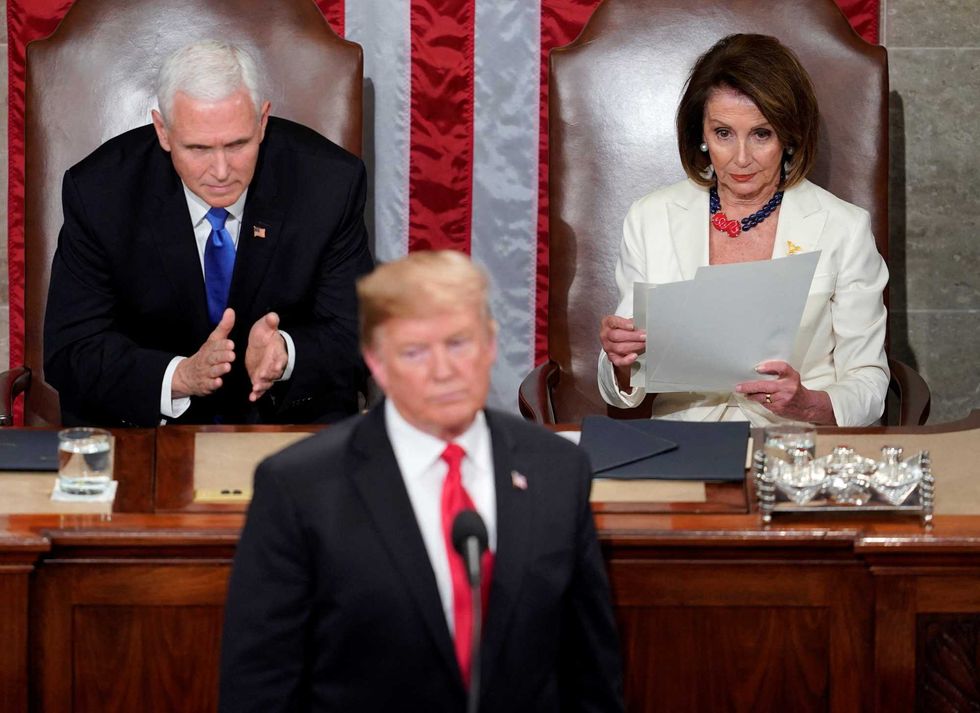
The role of the Speaker of the House has undergone significant transformation under the influence of former President Donald Trump, according to political scholars. The position, originally designed to promote nonpartisan leadership and foster legislative collaboration, has shifted towards a more party-centric power structure, particularly evident in the tenure of current Speaker Mike Johnson.
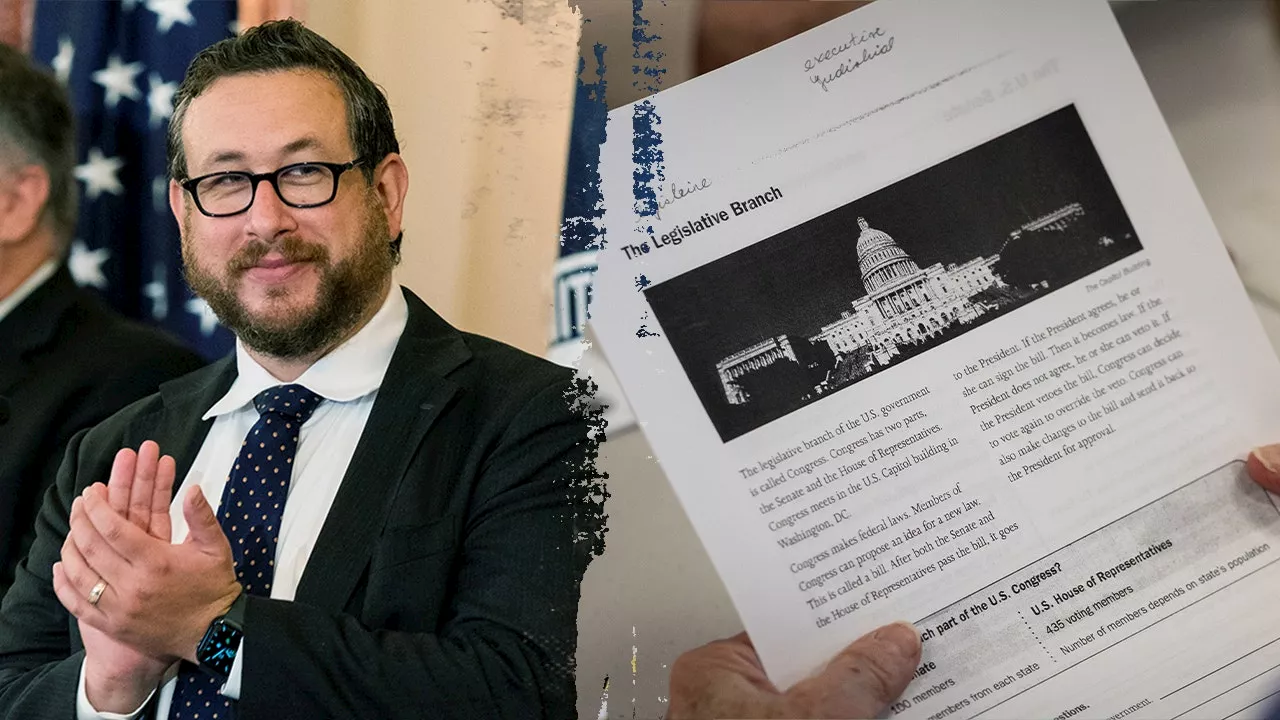
Debates surrounding the U.S. Constitution in the summer of 1787 laid the groundwork for a government that prioritized a robust legislative branch. Article I of the Constitution details the powers granted to Congress, including the ability to levy taxes, declare war, and impeach officials. In contrast, Articles II and III, which govern the presidency and the Supreme Court, are notably more succinct. The framers envisioned the Speaker of the House as a nonpartisan moderator, yet this vision has evolved dramatically over the years.
The early role of the Speaker, exemplified by Henry Clay in the early 1800s, was one of coalition-building. Clay utilized his position to advocate for vital policies, such as America’s entry into the War of 1812. This trend continued with subsequent speakers who increasingly wielded their authority to push specific agendas. Notably, in 1890, Speaker Thomas Reed implemented procedural changes that allowed his Republican majority to dominate legislative processes.
The centralization of power within the Speakership became more pronounced in the 20th century. Joseph Cannon, who served as Speaker from 1903, took control of the Rules Committee, thereby determining which legislation would receive consideration. Newt Gingrich, elected in 1995, further solidified this shift, expanding the office’s responsibilities and curtailing the independence of policy caucuses.
As the complexity of legislative issues increased, so too did the necessity for effective leadership. The modern Speaker is tasked not only with managing legislation but also with coordinating party activities and maintaining support within their ranks. This evolution has transformed the Speaker into a national party figure, often leading to significant legislative achievements. Under the leadership of Speaker Sam Rayburn, Congress passed landmark initiatives like the Marshall Plan and the Interstate Highway System, demonstrating the potential for effective leadership to drive major policy change.
Recent speakers have faced challenges in balancing party demands with legislative responsibilities. John Boehner, who served from 2011, resigned after his bipartisan efforts to resolve a government shutdown alienated his party. Similarly, Kevin McCarthy was ousted in 2023 after engaging with Democrats to secure funding for the government. These instances highlight the tension between maintaining party loyalty and fulfilling the Speaker’s constitutional responsibilities.
Currently, Mike Johnson faces a unique set of challenges as Speaker. His leadership is marked by a party that has become increasingly aligned with Trump’s influence, complicating his ability to navigate national policy issues. Johnson’s decision to keep Congress out of session for eight weeks during a government shutdown signals a prioritization of party loyalty over legislative effectiveness. This absence from the chamber hindered oversight, stalled appropriations, and left significant policy decisions in the hands of unelected officials.
The evolution of the Speakership reflects broader trends in American politics, where the concentration of power has both bolstered party leadership and challenged the traditional role of Congress. As Speaker Johnson seeks to address complex national issues while managing a factionalized party, the future of the House of Representatives remains uncertain. The dynamics of power within Congress continue to shift, raising critical questions about the institution’s ability to represent the interests of the American people effectively.