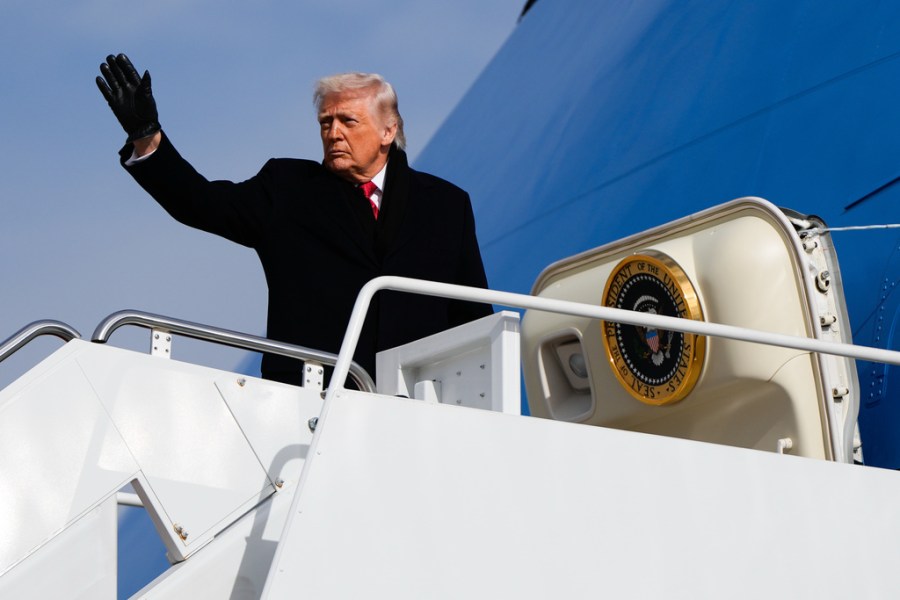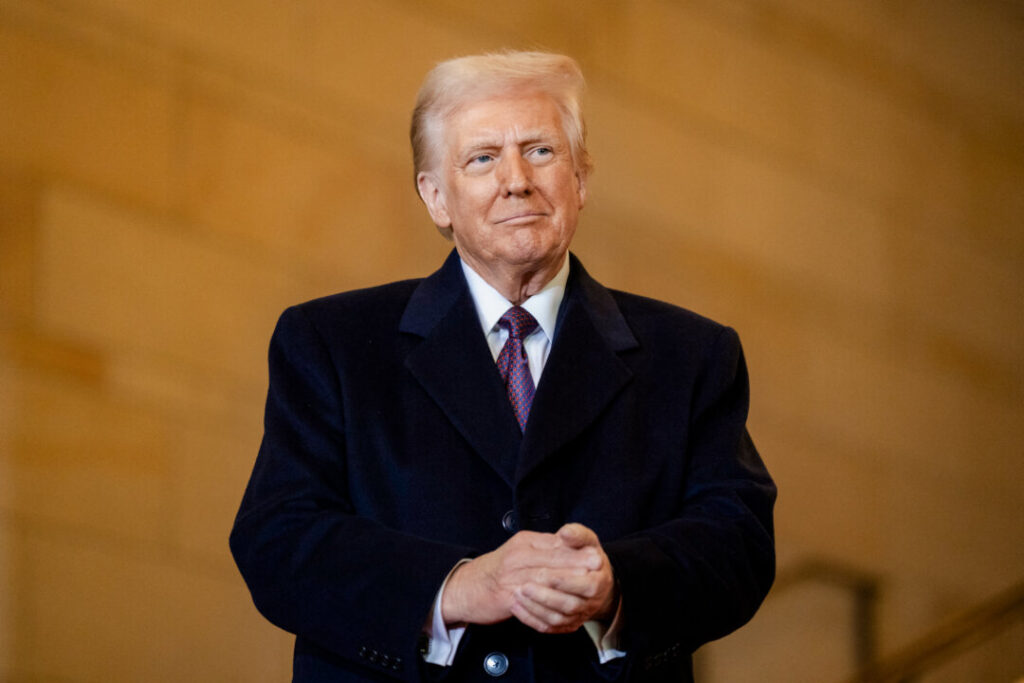
During his first year in office, President Donald Trump implemented a series of significant changes that reshaped both domestic and international policies. With over 225 executive orders issued from January 20, 2017, to January 20, 2018, Trump laid the groundwork for his administration’s focus on an America First agenda, which prioritized American interests in various sectors.
Reorganization of Federal Policies
One of the most notable aspects of Trump’s presidency was the reorganization of federal government policies. These executive orders addressed a range of issues, including immigration, healthcare, and environmental regulations. The administration sought to reduce federal regulations, claiming that such measures would foster economic growth and job creation.
For instance, Trump’s administration made significant changes to the Affordable Care Act, commonly known as Obamacare. These adjustments, aimed at reducing healthcare premiums and increasing market competition, also led to a rise in costs for many Americans, sparking debates about the future of healthcare in the United States.
In addition to healthcare, Trump’s immigration policies marked a sharp departure from previous administrations. The president’s focus on border security and immigration enforcement included efforts to build a wall along the US-Mexico border, a cornerstone of his campaign promises. These policies garnered both support and criticism, igniting discussions about the nation’s immigration system.
International Relations and Global Impact
Trump’s first year in office also had profound implications for global relations. His approach to foreign policy was characterized by a willingness to challenge traditional alliances and agreements. For example, the withdrawal from the Paris Agreement on climate change reflected a clear pivot towards prioritizing national interests over global commitments, igniting concern among environmentalists and world leaders alike.
Relations with China were notably strained during this time, as Trump introduced tariffs on various Chinese goods in an attempt to address trade imbalances. This move sparked a trade war that affected economies on both sides of the Pacific, raising questions about the long-term effects on global trade dynamics.
Moreover, tensions with Iran escalated as the Trump administration withdrew from the Joint Comprehensive Plan of Action (JCPOA), a landmark nuclear agreement. This decision not only raised concerns about nuclear proliferation but also heightened regional instability, leading to widespread protests and unrest within Iran.
The impact of Trump’s policies extended beyond immediate political implications, as they influenced public sentiment and social movements both in the United States and abroad. Various groups mobilized in response to his administration’s actions, reflecting a deeply divided national landscape.
As Trump continued to navigate the complexities of governance, the repercussions of his decisions during this pivotal year set the stage for ongoing debates about the direction of the United States and its role in the world.
In summary, Trump’s first year in the White House was marked by a flurry of executive actions that not only redefined federal policy but also reshaped international relations. The enduring effects of these changes will likely influence future administrations and global dynamics for years to come.