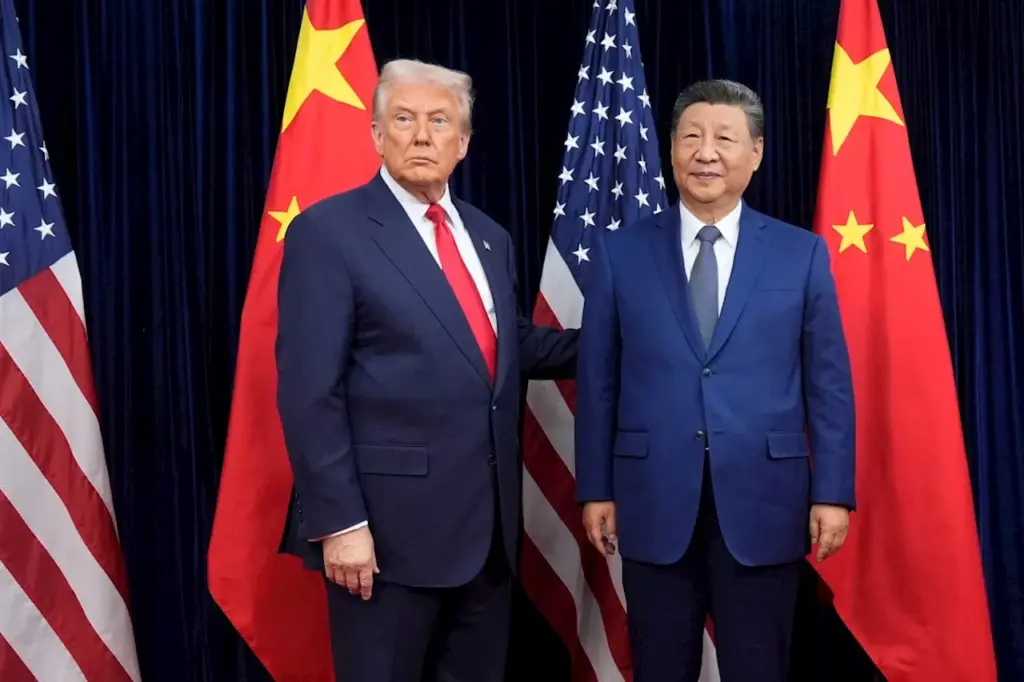
President Donald Trump received a warning from Chinese President Xi Jinping to exercise “extreme caution” regarding arms sales to Taiwan during a phone call on Wednesday. This exchange highlights the ongoing sensitivities surrounding Taiwan, which China considers its territory. The leaders aimed to project stability in U.S.-China relations, especially in light of previous trade tensions and Trump’s anticipated visit to China later this year.
According to China’s state broadcaster CCTV, Xi emphasized that the Taiwan issue is “the most important” in U.S.-China relations, reiterating Beijing’s firm stance against foreign interference. He insisted that the United States must handle arms transactions with Taiwan carefully, reflecting long-standing Chinese opposition to U.S. military support for the self-governing island.
China claims Taiwan as part of its territory and has consistently warned against actions it perceives as threats to its sovereignty. While the United States does not formally recognize Taiwan as a sovereign state, it is legally obliged to provide defensive support to the island.
In the same conversation, Trump described the U.S. and China as “great nations” and underscored the significance of their bilateral relationship. He expressed respect for Xi and acknowledged China’s development, indicating a desire to enhance cooperation and maintain open lines of communication throughout his presidency. The Chinese statement noted that Trump valued China’s concerns regarding Taiwan and was committed to fostering “good and stable development” in their relations.
Context of the Call
This call followed a period of strained relations marked by tariffs imposed by the Trump administration, though rapport has improved since a meeting in Busan last year. During their conversation, Xi highlighted the importance of ongoing dialogue and managing differences, particularly as global events such as the APEC and G20 meetings approach.
Both leaders sought to maintain open communication channels despite significant disagreements, particularly on issues related to Taiwan. The call reflects a mutual interest in preventing further escalation while navigating the complexities of their relationship.
The White House has yet to release its own detailed account of the conversation, but the exchange underscores the delicate balance both leaders must maintain regarding sensitive geopolitical issues.
As the situation evolves, the focus remains on how the U.S. will navigate its commitments to Taiwan amid China’s increasing assertiveness in the region. The implications of this call resonate beyond the immediate diplomatic landscape, potentially influencing future U.S.-China interactions and regional stability.
This article incorporates reporting from the Associated Press.