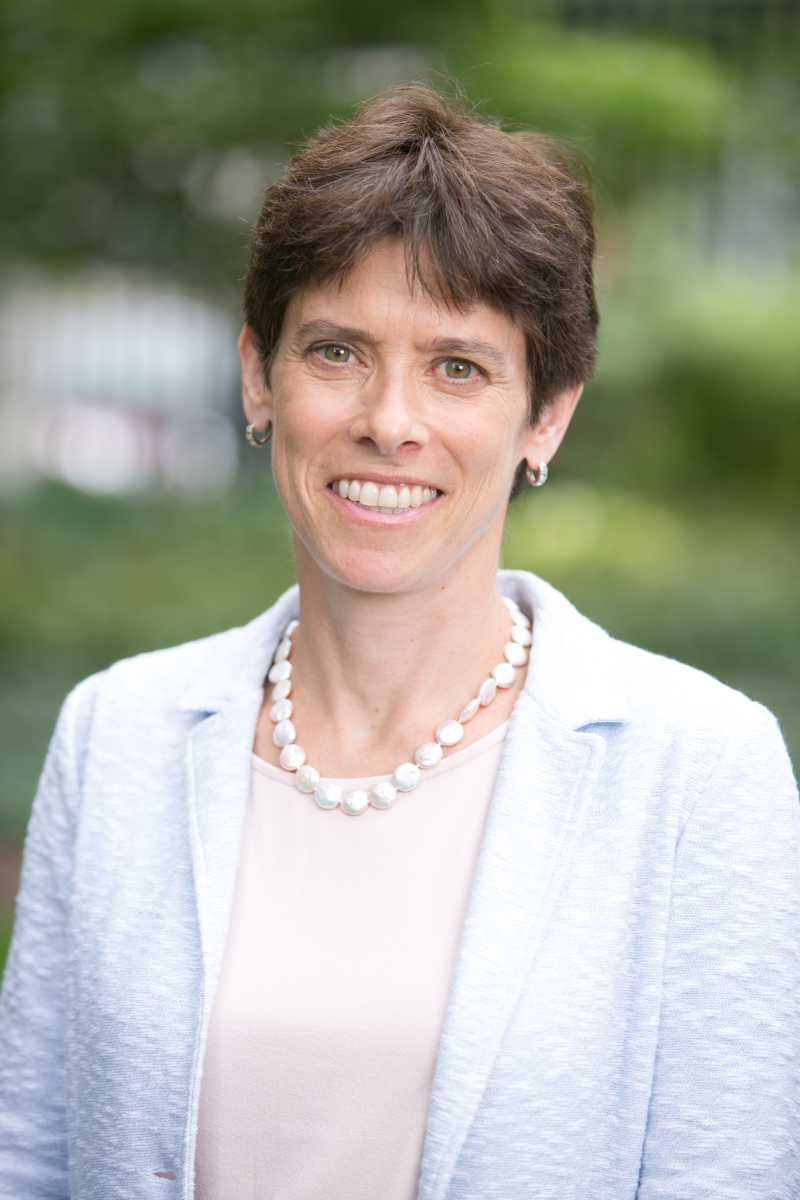
In a thought-provoking essay, Caitlin A. Smith, a surgeon based in the Pacific Northwest, has candidly shared her experiences and reflections on the stigma surrounding women who choose not to have children. Her insight stems from a recent encounter during a meeting with colleagues, where a seemingly innocuous comment about her child-free lifestyle left her grappling with societal perceptions of women’s roles.
Confronting Stereotypes in the Medical Field
While discussing weekend plans, a colleague’s remark, “It’s because she doesn’t have kids,” interrupted the flow of conversation. This comment, made without consideration, highlighted a pervasive stereotype: that women without children are perceived as having fewer responsibilities or less fulfilling lives. Laughter followed, and the conversation quickly shifted back to work matters, leaving Smith to reflect on the implications of such a statement.
Smith has long been accustomed to unsolicited remarks regarding her decision to remain child-free. Despite her successful career and personal life, she finds herself repeatedly confronted with the belief that a woman’s worth is linked to her ability to reproduce. This notion, she argues, oversimplifies the complexity of women’s experiences and contributions to society.
In her essay, Smith quotes Ruby Warrington, who asserts that societal narratives often portray child-free women as “sad and damaged,” or alternatively, “cold-hearted” and “narcissistic.” These stereotypes contribute to a culture that undervalues the decisions of women who choose different paths.
The Misunderstanding of Personal Choices
Smith describes her frustration in conversations with friends who are parents, noting a disconnect in understanding between child-free women and mothers. When she attempts to articulate the judgment she faces, her friends often express guilt for sharing their parenting experiences, misunderstanding that her perspective is not a reflection of their choices but rather a commentary on societal expectations.
During a meeting focused on improving workplace conditions for women, Smith noticed a lack of awareness regarding the issues faced by those who do not have children. Responses from her colleagues reflected a narrow focus on maternity, neglecting broader workplace challenges such as pay equity and career advancement. This singular emphasis, she argues, limits the scope of support and advocacy necessary for all women in professional environments.
Smith’s reflections also touch on the pressure she faces from those who insist that motherhood is a source of unparalleled fulfillment. Despite being frequently told she would excel in that role, she has found fulfillment in her career and personal pursuits. She emphasizes that the choice to remain child-free is a conscious decision that deserves respect rather than scrutiny.
As she navigates her professional landscape, Smith has observed that discussions about reproductive choices often overlook the complexities involved. She points to the health risks associated with later-life pregnancies, which are rarely acknowledged in conversations about motherhood. This lack of understanding perpetuates a narrative that dismisses the informed decisions made by women like herself.
Reflecting on her journey, Smith acknowledges that her feelings about motherhood have evolved over time. While she once felt an inclination towards becoming a mother, experiences during the COVID-19 pandemic reinforced her commitment to her career and the meaningful impact of her work. In a world increasingly defined by rigid expectations, she has found clarity in defining her own value beyond societal norms.
Ultimately, Smith’s essay serves as a powerful reminder of the need for broader conversations regarding women’s choices in both personal and professional realms. By sharing her story, she hopes to challenge assumptions and foster understanding about the diverse paths women may take throughout their lives.
This essay was originally published in August 2024 and is being revisited as part of a series highlighting personal narratives.