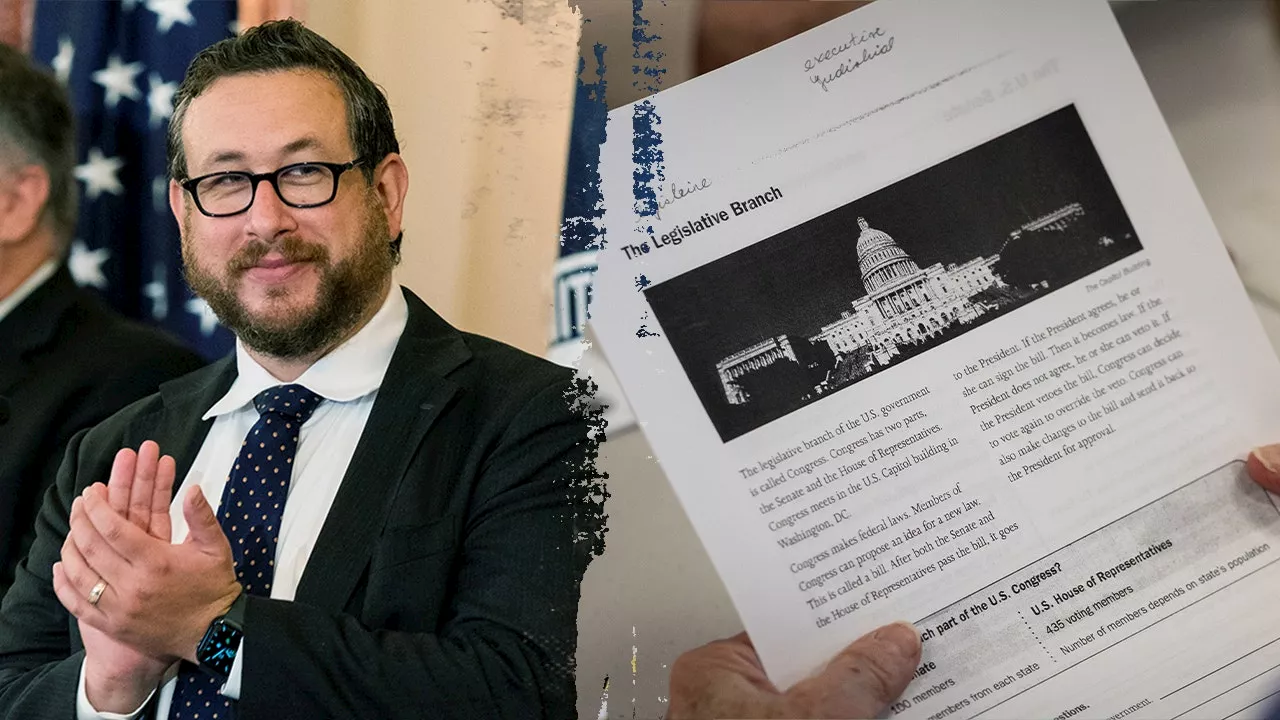
The Senate has rejected two partisan bills aimed at extending subsidies under the Affordable Care Act (ACA), which will likely result in a significant rise in healthcare costs for millions of Americans starting January 1, 2024. The Democratic proposal, which failed to garner sufficient support on Thursday, sought to preserve funding that many families rely on to afford health insurance.
The failure of these bills represents a critical moment in the ongoing debate over healthcare accessibility in the United States. The ACA has provided essential subsidies for low- and middle-income individuals since its inception, allowing millions to access necessary medical care without facing exorbitant costs. With the expiration of these subsidies, many Americans could see their insurance premiums increase dramatically, potentially leading to an estimated rise of over 50% in costs for some.
The Democratic Party, which has championed the ACA since its passage in 2010, expressed disappointment following the vote. Senator Chuck Schumer, the Majority Leader, emphasized the negative impact of the decision, stating, “By rejecting this critical funding, the Senate has chosen to put the health of millions of Americans at risk. We must do better.” His comments reflect a growing concern that healthcare access is being jeopardized by political divisions.
Republican senators, on the other hand, defended their stance, arguing that the bills represented government overreach and unnecessary spending. Senator Lindsey Graham remarked, “We need to focus on solutions that empower individuals rather than expand government programs that are flawed at their core.” This division underscores the ongoing challenges in reaching bipartisan agreements on healthcare reform.
As the new year approaches, analysts are warning that the expiration of these subsidies will exacerbate existing inequalities in the healthcare system. Many families who currently benefit from the ACA may be forced to make difficult choices regarding their healthcare options. This situation may lead to increased pressure on emergency services as individuals delay seeking care due to cost concerns.
The implications of the Senate’s decision extend beyond immediate financial impacts. The potential rise in uninsured rates could strain public health resources and lead to higher costs for all Americans in the long run. As healthcare costs continue to rise, the debate over the ACA and its funding is likely to remain a contentious topic in U.S. politics.
Looking ahead, stakeholders from various sectors are calling for renewed discussions on healthcare policy. The urgency to address these issues is underscored by the potential for millions to lose access to affordable care. With the deadline for subsidy expiration drawing near, the focus will shift to how lawmakers can navigate these complex challenges in a divided political landscape.
In conclusion, the Senate’s rejection of the ACA subsidy extension marks a pivotal point in the ongoing conversation about healthcare in the United States. As costs are set to rise for countless families, the need for effective and equitable solutions has never been more pressing.