A recent incident involving the U.S. Pentagon and airspace restrictions has raised significant concerns regarding coordination between federal agencies. Earlier this week, the Pentagon permitted U.S. Customs and Border Protection (CBP) to deploy an anti-drone laser in El Paso, Texas. This decision led the Federal Aviation Administration (FAA) to swiftly close airspace over the city, causing disruptions for travelers.
The FAA announced the closure on March 13, 2024, for a duration of ten days, citing safety concerns related to drone incursions from Mexican cartels. The abrupt action stranded numerous travelers, although the airspace was reopened just hours later. According to sources familiar with the situation, the laser was used near Fort Bliss without prior coordination with the FAA, prompting the agency’s emergency response to protect commercial flight safety.
Transportation Secretary Sean Duffy indicated that the closure was a necessary measure to address the threat posed by cartel drones. He stated, “the threat has been neutralized.” However, the closure of an entire airport, even temporarily, is highly unusual. Normal operations were restored following the cancellation of seven arrivals and seven departures, affecting numerous passengers, including Jorge Rueda and Yamilexi Meza, who faced disruption to their travel plans.
Concerns Over Coordination and Communication
The incident has reignited discussions about the need for improved communication between the FAA and the Pentagon. This concern stems from a previous tragedy involving a midair collision in Washington, D.C., that resulted in the deaths of 67 people. Investigations revealed that the FAA and the Army had failed to share critical safety data, highlighting a concerning lack of coordination.
Democratic Senator Tammy Duckworth, who has a military background as a former Army helicopter pilot, criticized the administration for this latest oversight. She stated that it exemplifies an ongoing issue of poor inter-agency collaboration. In response to the incident, Republican Senator Ted Cruz announced plans to request a briefing from the FAA.
Local representatives also expressed frustration. Representative Veronica Escobar, who represents El Paso, stated that her office received no advance notice of the airspace closure, emphasizing the confusion caused by the abrupt changes. She stated, “I believe the FAA owes the community an explanation.”
Impact on Local Residents and Travelers
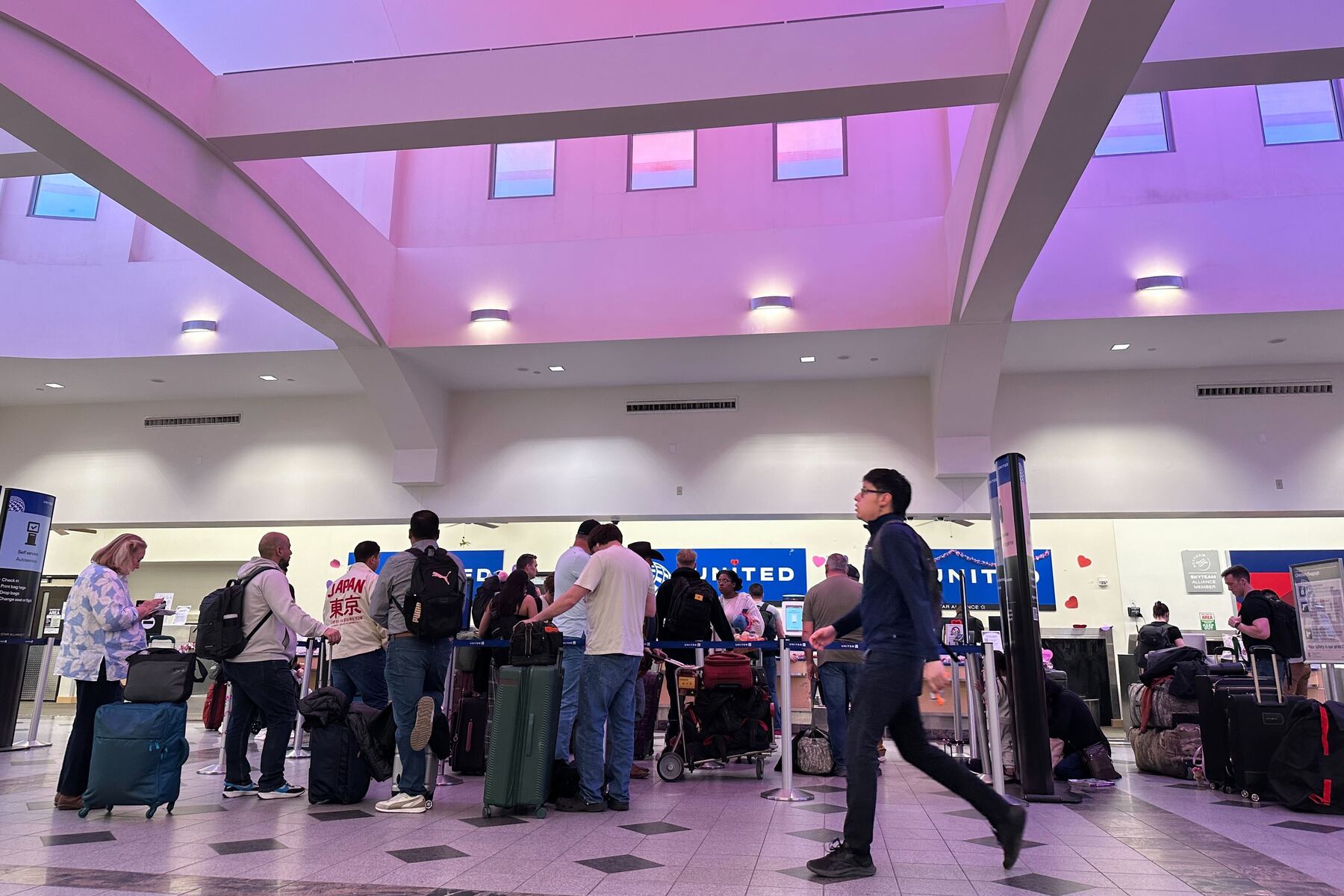
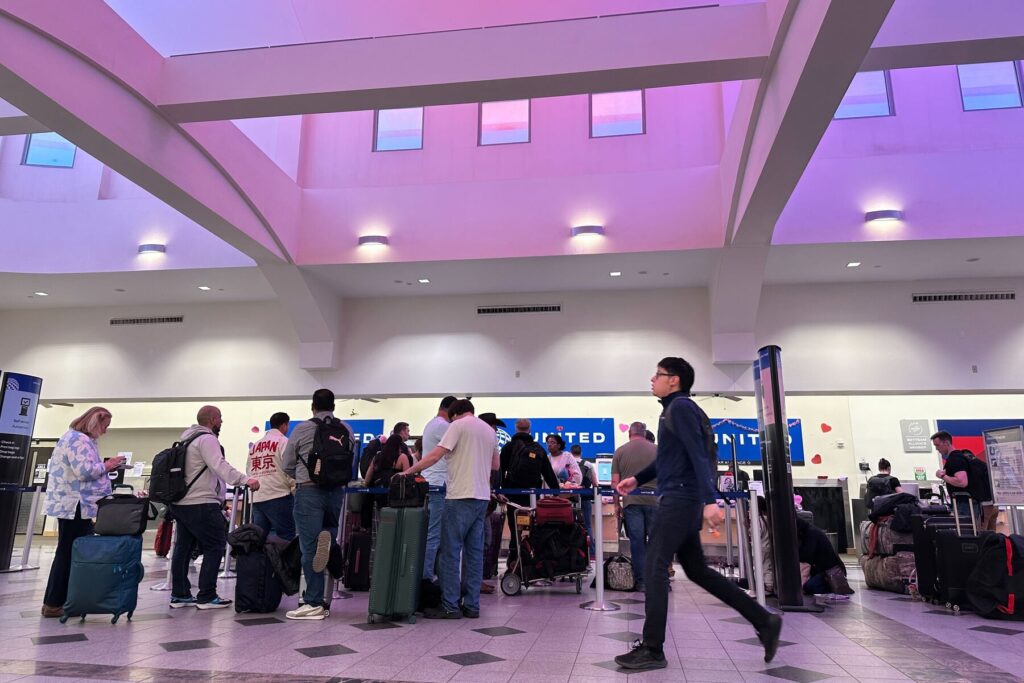
The airspace shutdown had immediate repercussions for the bustling city of El Paso, which has a population of nearly 700,000. As passengers scrambled to rebook flights and find alternative travel arrangements, many expressed frustration over the sudden disruption. Travelers lined up at airline counters, uncertain about their immediate plans.
El Paso Mayor Renard Johnson voiced his concerns, noting that decisions made without proper communication jeopardize public safety. He described the incident as a “major and unnecessary disruption,” comparing it to airspace restrictions not seen since the events of September 11, 2001.
Cross-border drone activity is not new, as drug cartels often utilize drones for surveillance and smuggling operations. Representative Tony Gonzales, whose district spans 800 miles along the Texas-Mexico border, remarked that such incursions are a daily reality for residents. He emphasized that the use of drones by criminals is an ongoing issue that local communities face regularly.
In a separate statement, the deputy director of the counter-drone program at the Department of Homeland Security, Steven Willoughby, noted that cartel drone sightings have increased significantly. In fact, over 27,000 drone incidents were reported within 500 meters of the southern border in the last half of 2024, mostly occurring at night.
While the FAA’s emergency response was prompted by safety concerns, the lack of prior coordination raises questions about the operational protocols of federal agencies. As El Paso residents and travelers recover from the disruption, both local officials and community members continue to seek clarity and assurance regarding air traffic safety and communication protocols.
In conclusion, this incident underscores the importance of effective inter-agency collaboration to ensure public safety while addressing security threats. As discussions continue, many are left wondering how such a significant disruption could occur with so little warning.