The Pentagon recently held a press briefing that highlighted a significant shift in the relationship between the U.S. government and the press. On June 27, 2023, journalists from established news organizations, including major television networks, declined to sign a controversial pledge proposed by the Trump administration. This pledge would have required them to refrain from reporting on Pentagon matters without prior authorization from the Defense Department, effectively limiting their ability to engage freely with sources and gather information.
The refusal to sign this pledge led to a striking development: traditional journalists lost their Pentagon press credentials. During the briefing, Pentagon press secretary Kingsley Wilson welcomed a group of non-traditional media figures, stating, “Legacy media chose to self-deport from this building. The American people don’t trust these propagandists because they stopped telling the truth.”
This statement set the tone for a briefing that quickly devolved into a spectacle. Among the attendees was Matt Gaetz, a former congressman known for his controversial remarks. He posed a question regarding potential military action in Venezuela, reflecting a level of absurdity that many observers found troubling. Gaetz, donning a jacket with “Representative Matt Gaetz” still visible, speculated whether Venezuelan military members would be classified as “narco-terrorists” under future military orders from former President Trump.
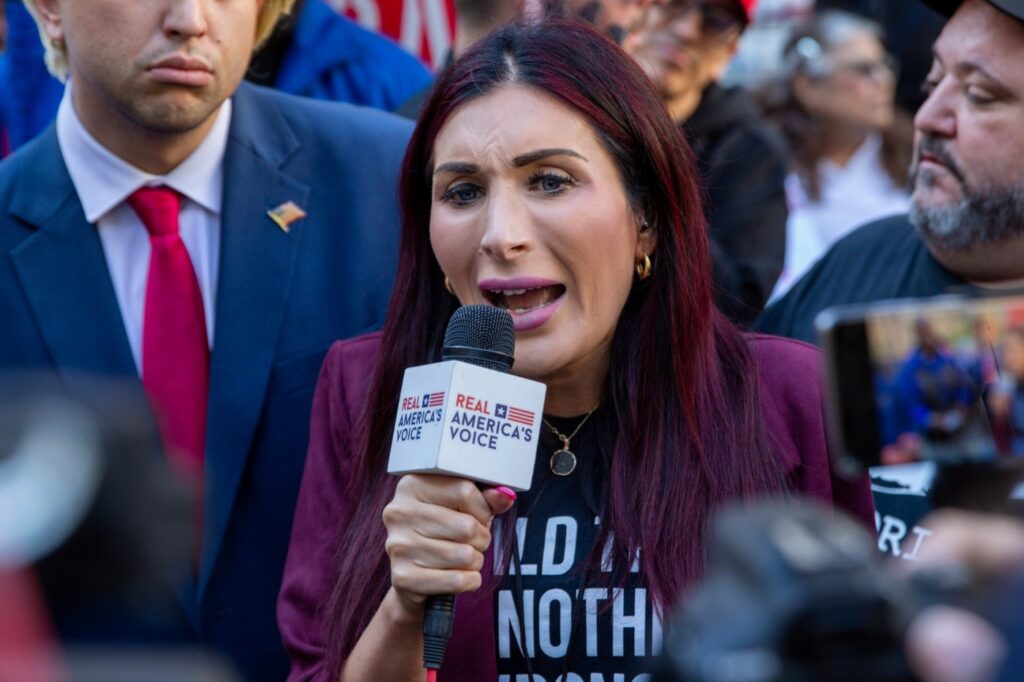
Adding to the chaotic atmosphere, Laura Loomer, described as a “pro-white nationalist,” seized her opportunity to question U.S. relations with Qatar and its implications for U.S. foreign policy. Her remarks included unfounded allegations linking Qatari leaders to the Muslim Brotherhood. When asked about these claims, Wilson deflected, reiterating that any decisions regarding terrorist designations rested with the President.
The event took an even stranger turn when an unidentified attendee questioned Loomer’s assertions about Israel, suggesting that the U.S. should reassess its relationship with the country given claims of funding for Hamas. This incident exemplified the disarray within the briefing, as serious inquiries were overshadowed by sensationalist rhetoric.
The implications of this shift in the press pool are significant. For the first time in over 250 years, established media outlets are facing barriers to access that challenge their role in a democratic society. Newsmax, a far-right broadcaster, also refused to sign the Pentagon’s pledge, labeling it “unnecessary and onerous.” This collective refusal underscores a growing concern among journalists about government overreach and the restriction of press freedoms.
Defense Secretary Pete Hegseth remarked on the situation, stating, “Press no longer roams free,” highlighting the unprecedented limitations being imposed on journalists. As this trend continues, it raises critical questions about the future of press freedom in the United States and the potential consequences for public trust in government communications.
The recent Pentagon briefing serves as a stark reminder of the ongoing struggle between the press and the government, with serious implications for the integrity of journalism. The events of June 27 reflect a broader crisis in accountability and transparency, one that will undoubtedly shape the landscape of American media for years to come.